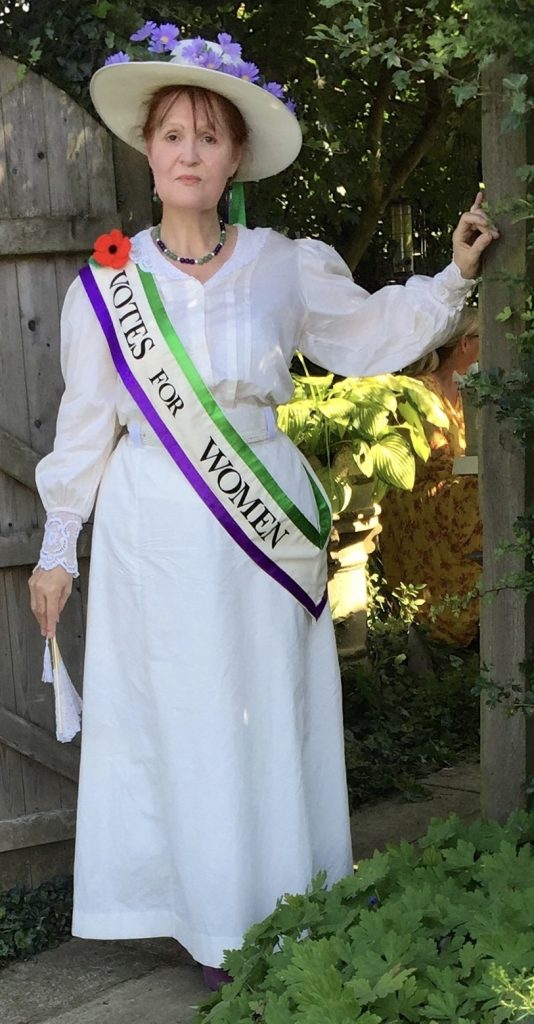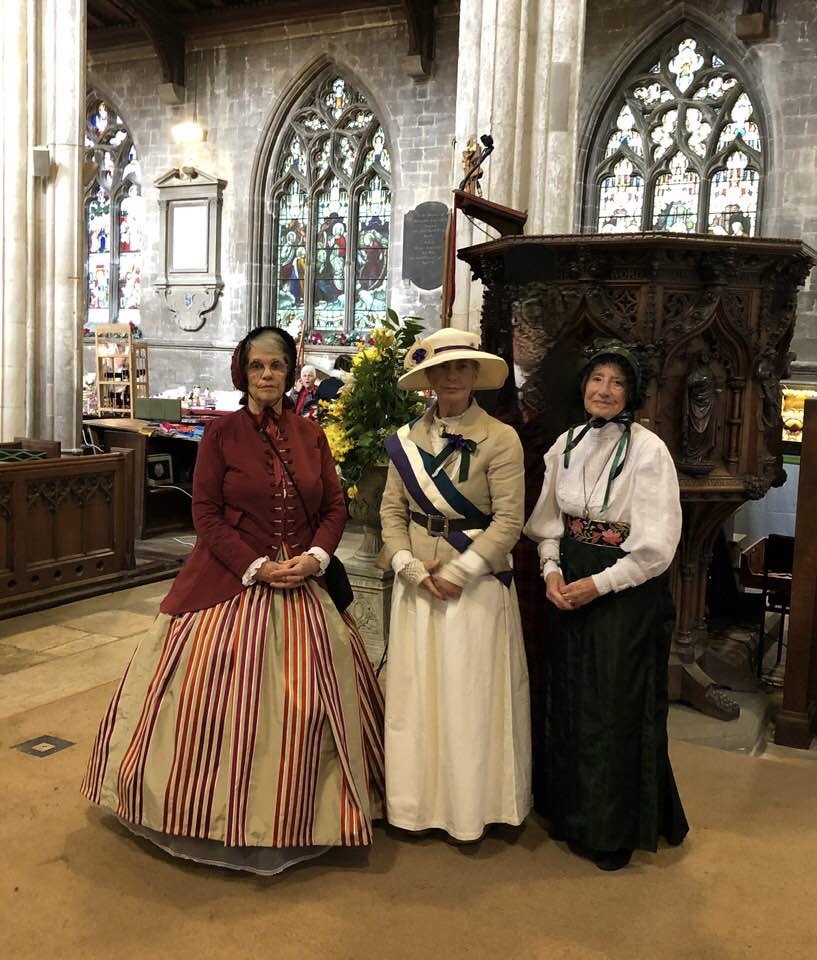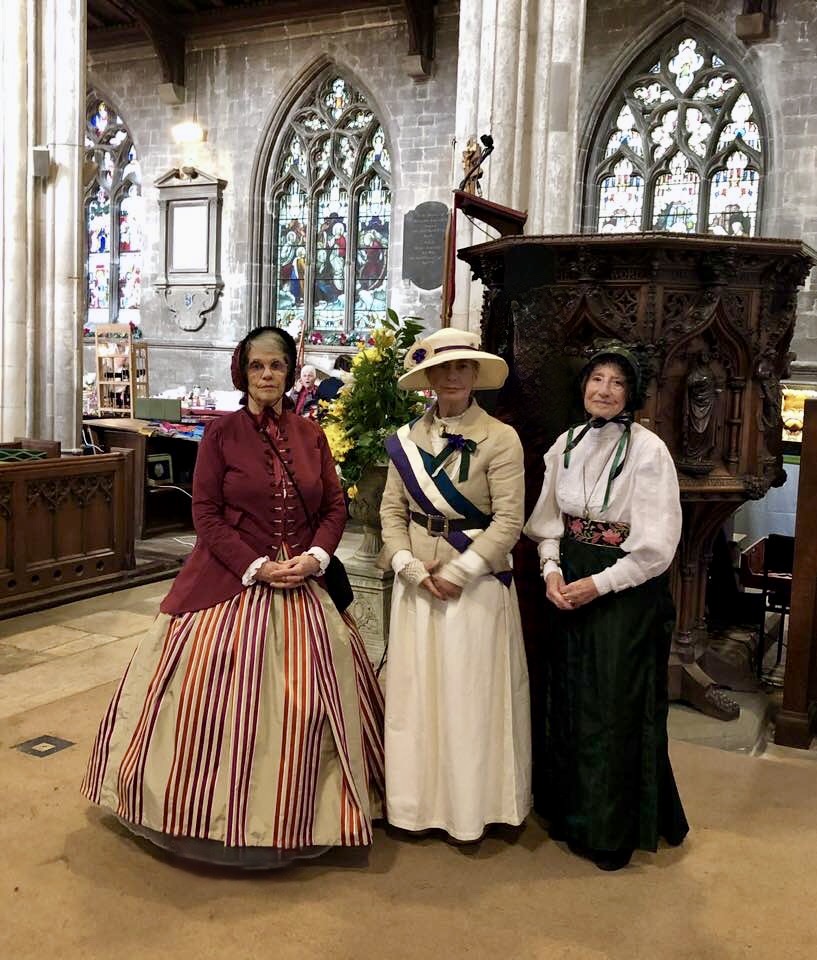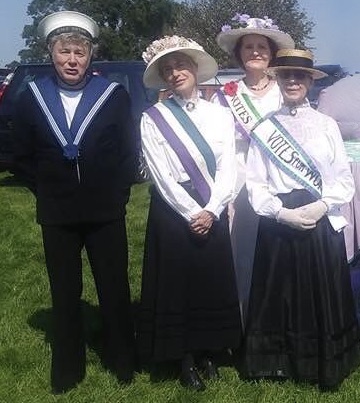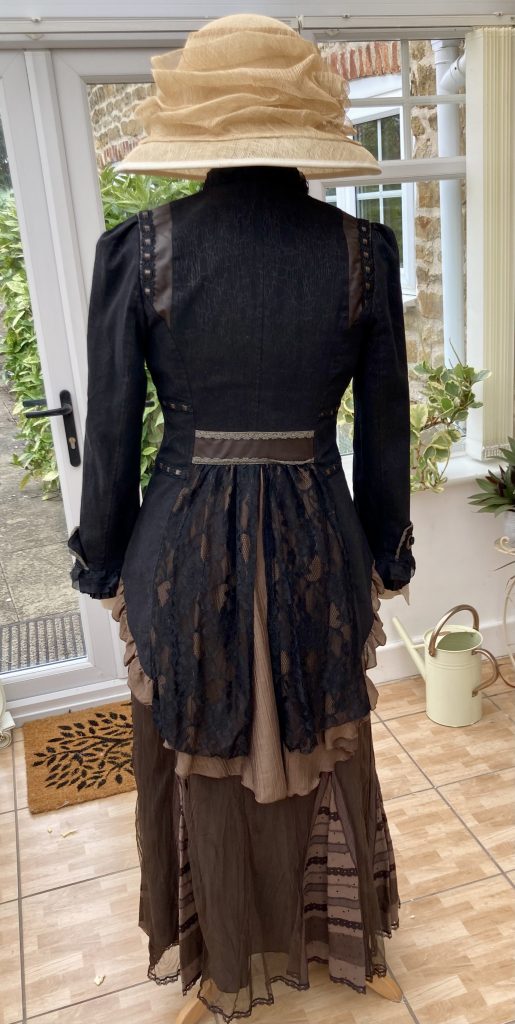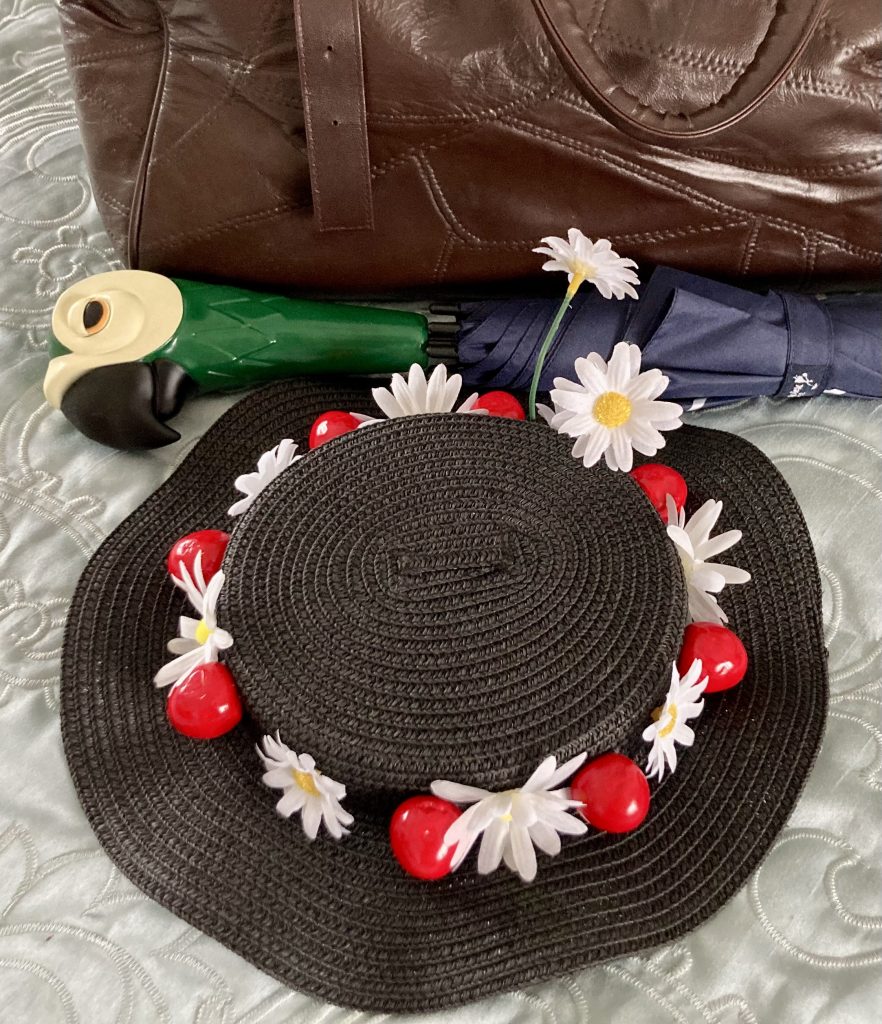
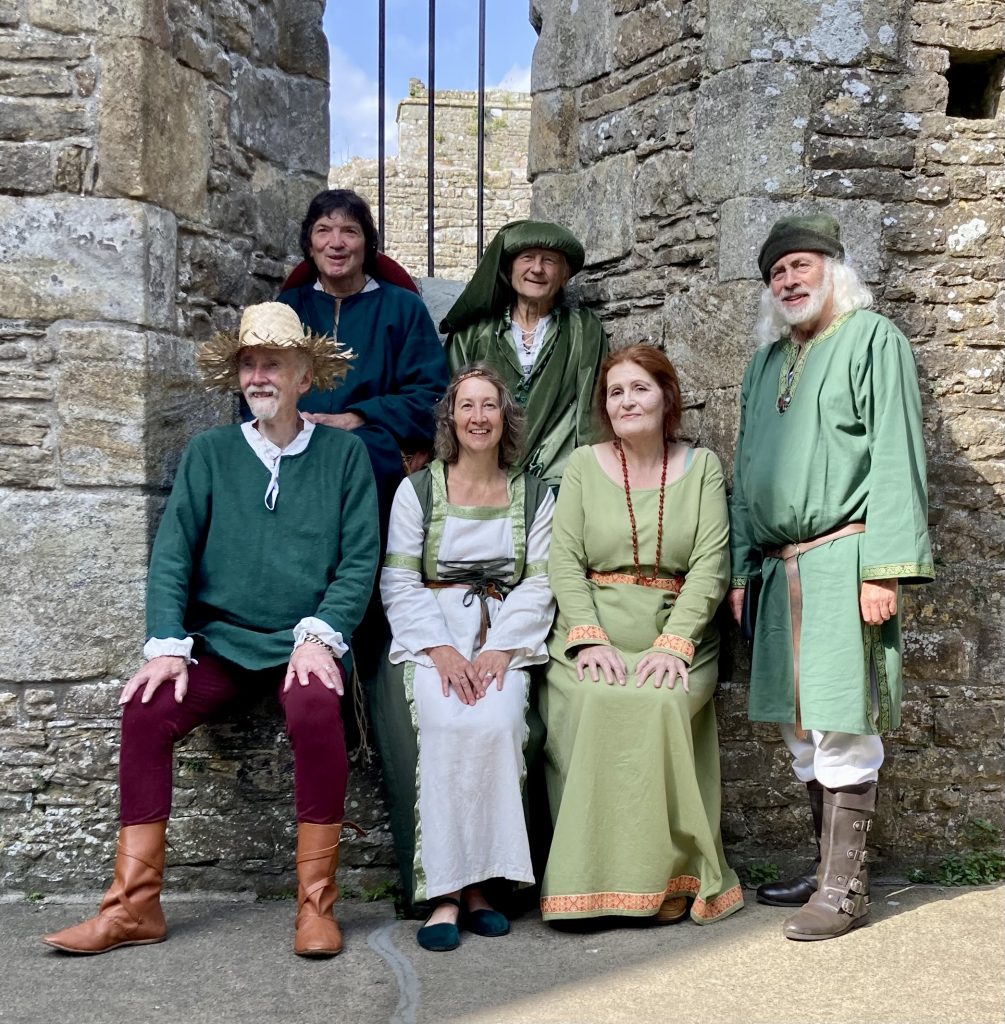
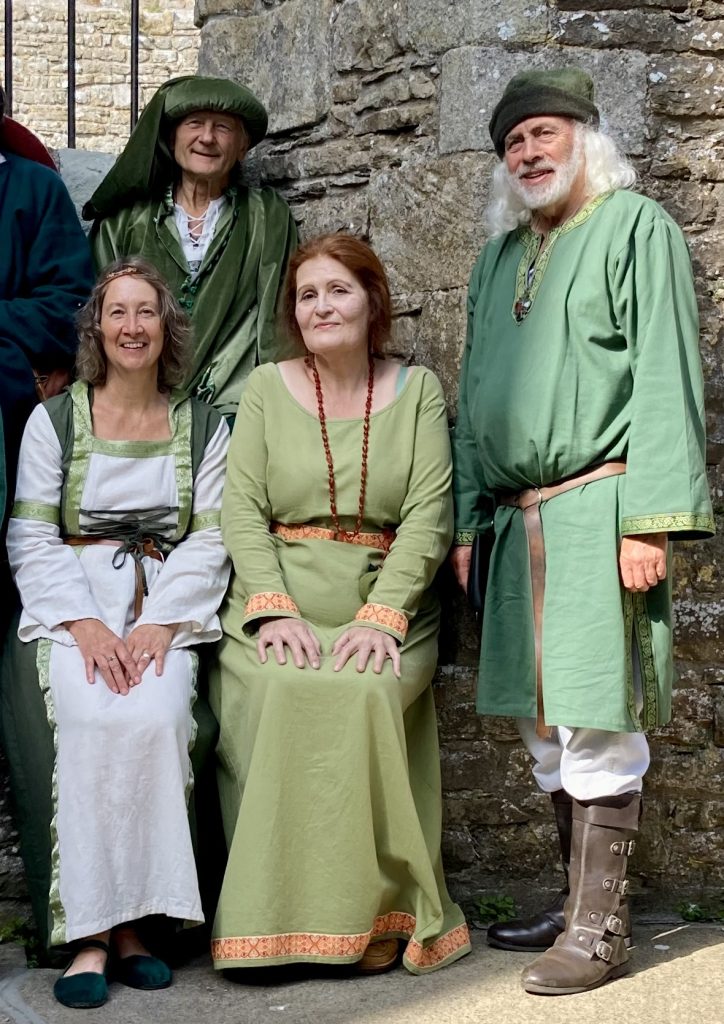
The members of Rutland Renaissance endeavour to perform in costumes appropriate to the period and style of each era of dance.
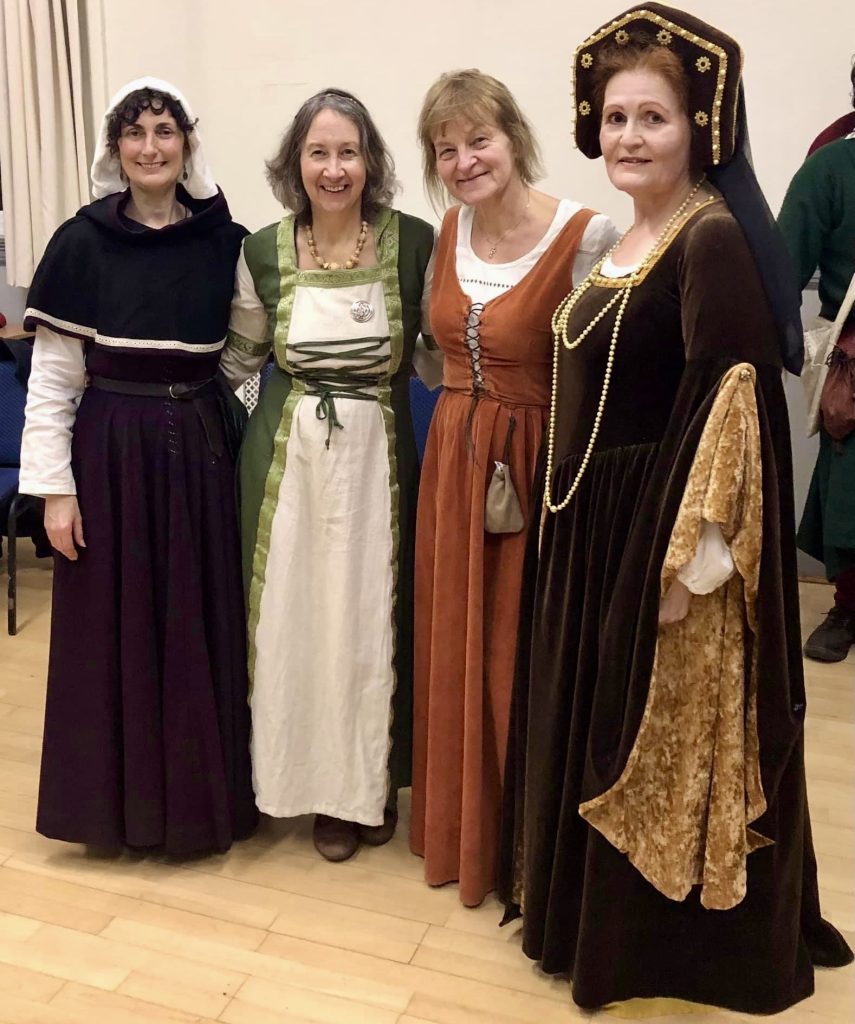
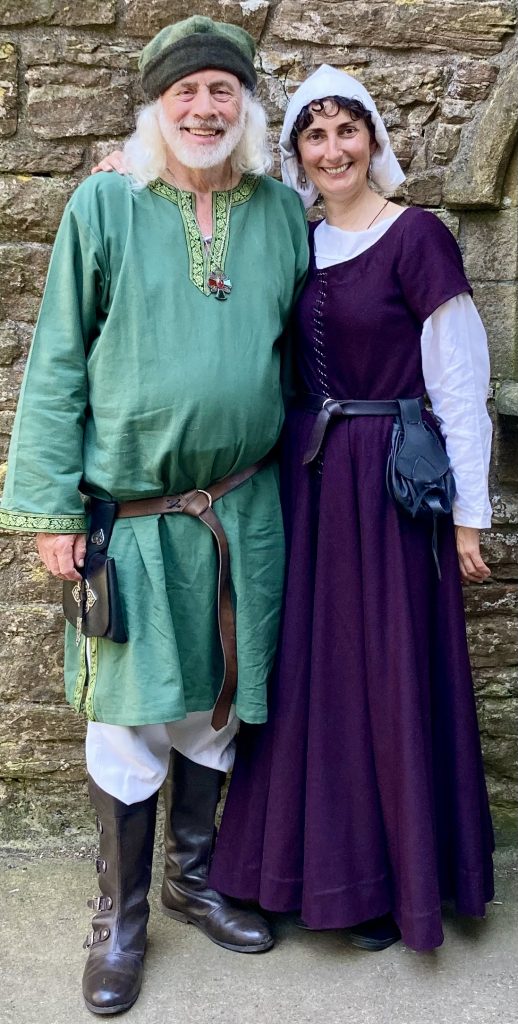
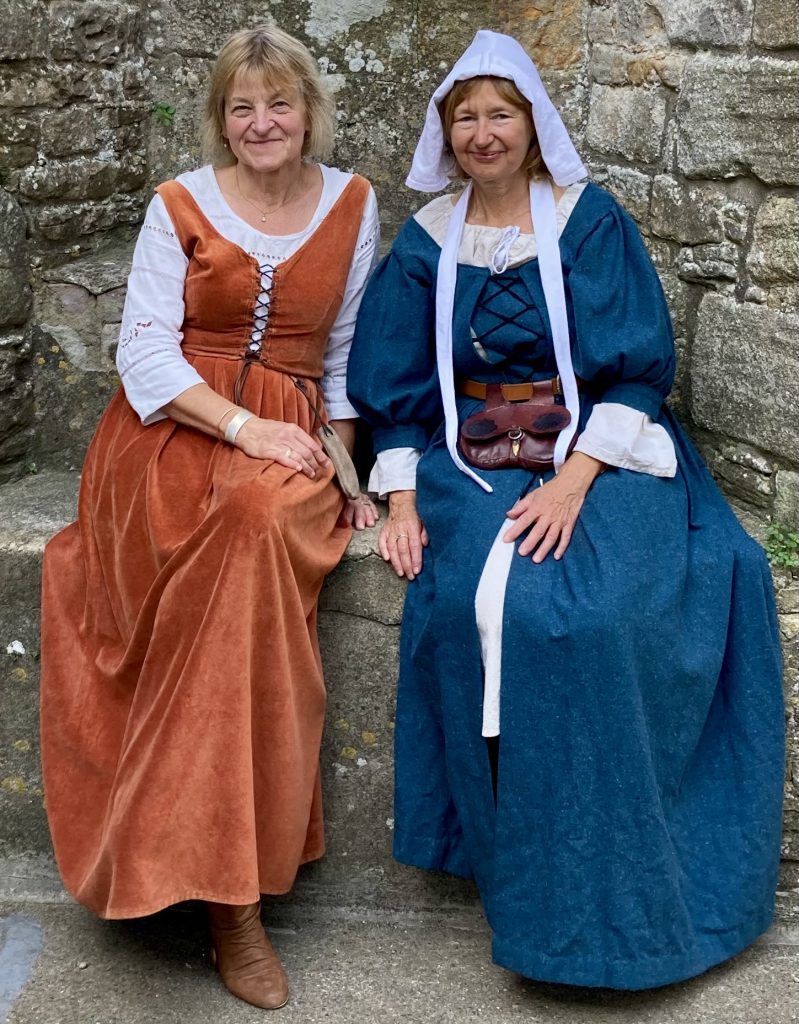
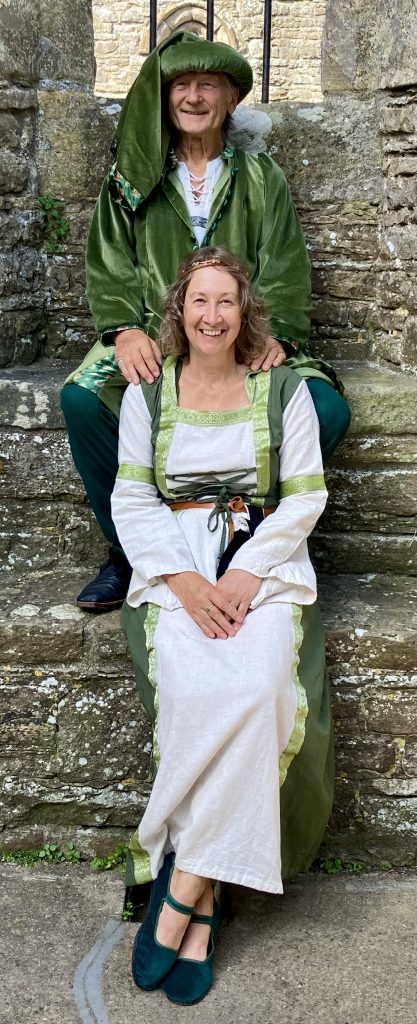
Unlike stage costumes, which must compromise between authenticity and practicality, our costumes are, as far as possible, authentic in detail as well as general appearance.
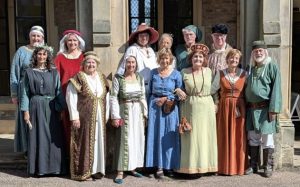
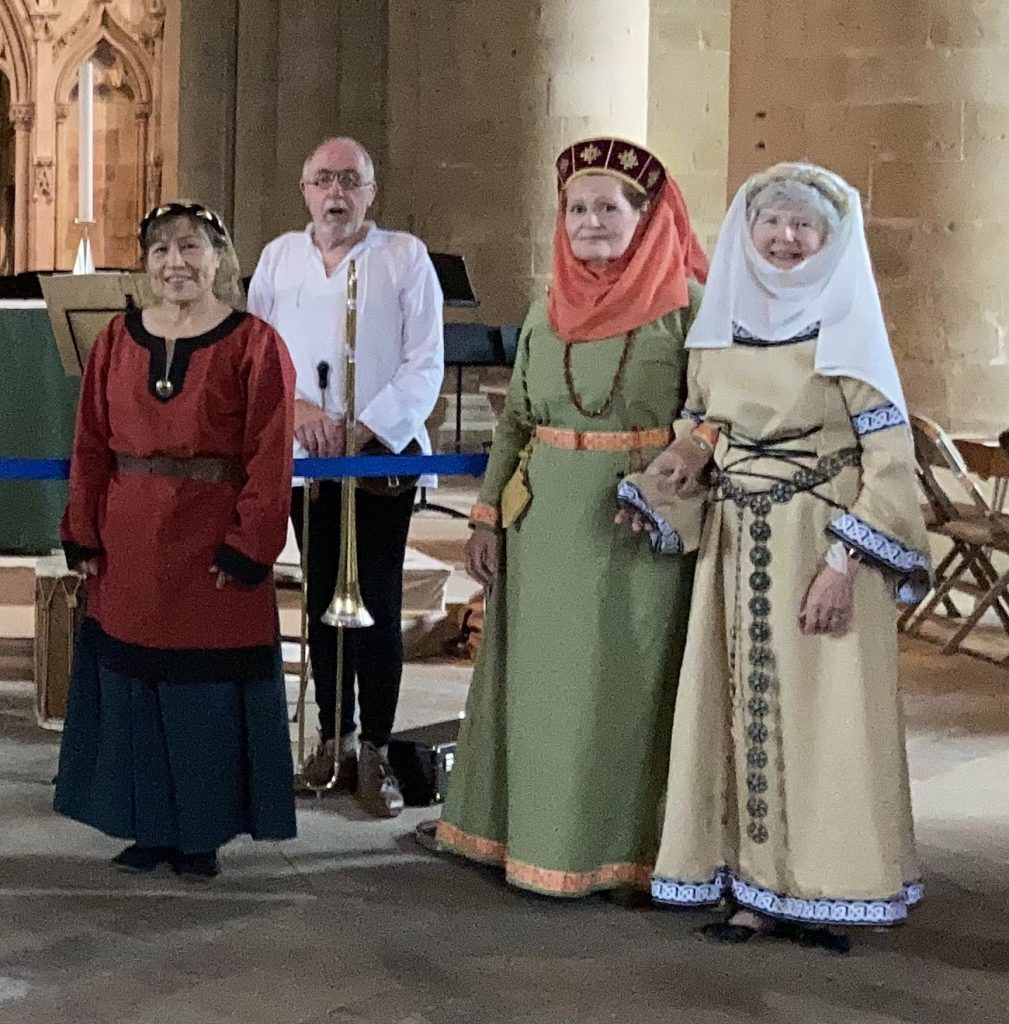
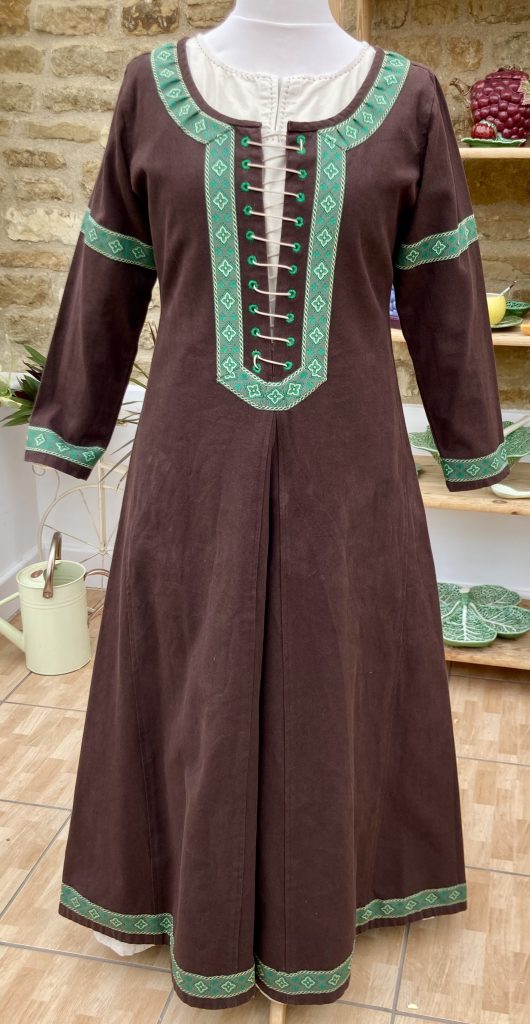
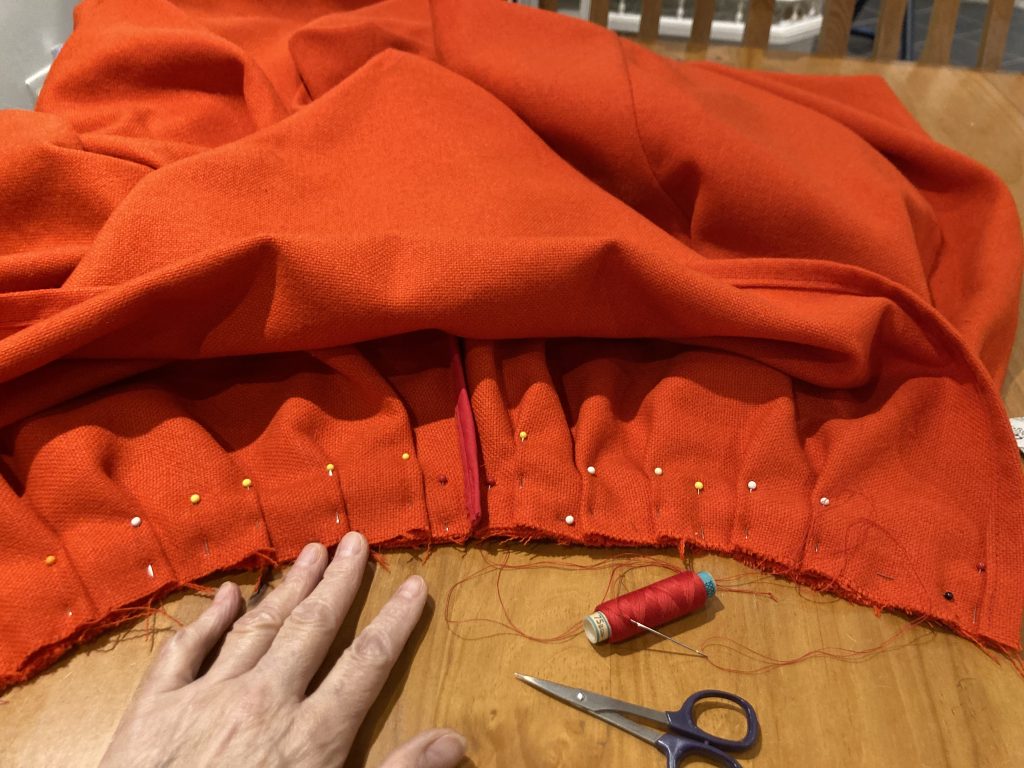
Some of our costumes are professionally made, but most are the result of countless hours of research, design & sewing; adapting and hand-making the bespoke garments & accessories that make up our period wardrobes.
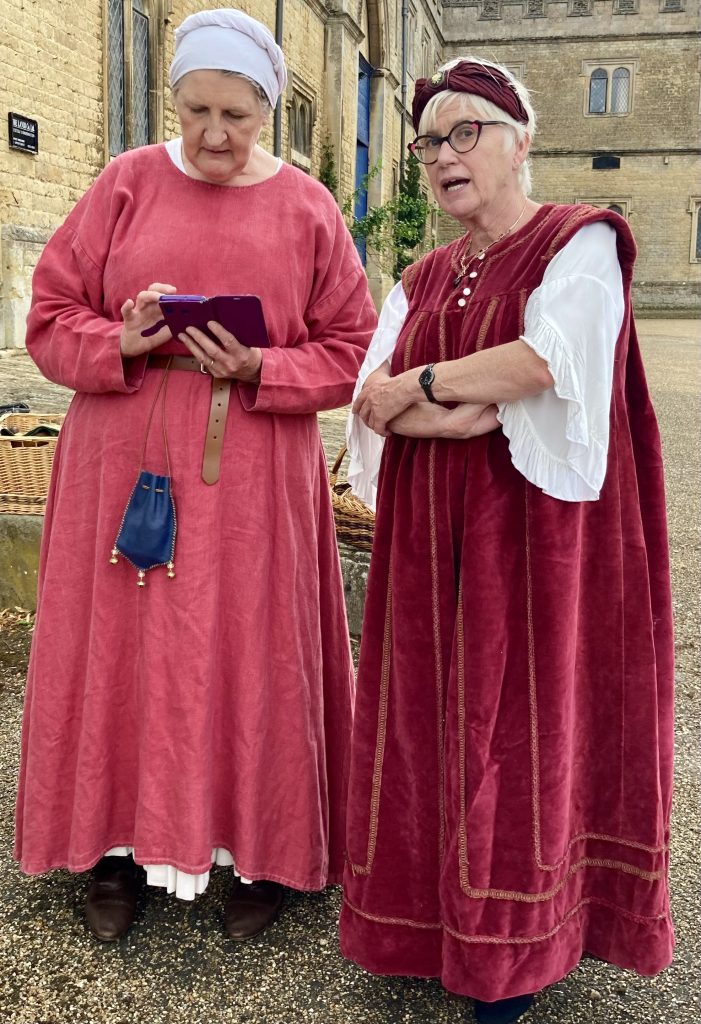
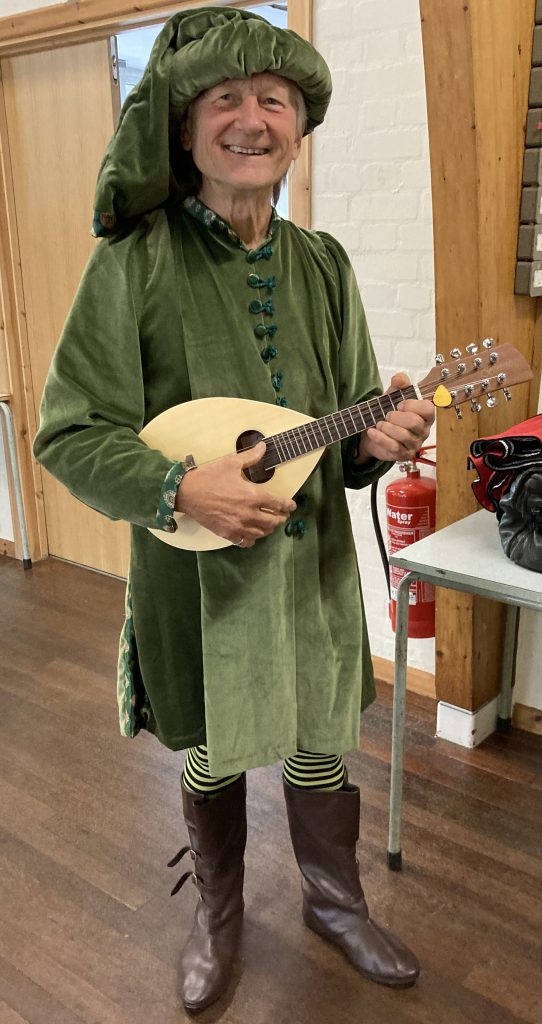
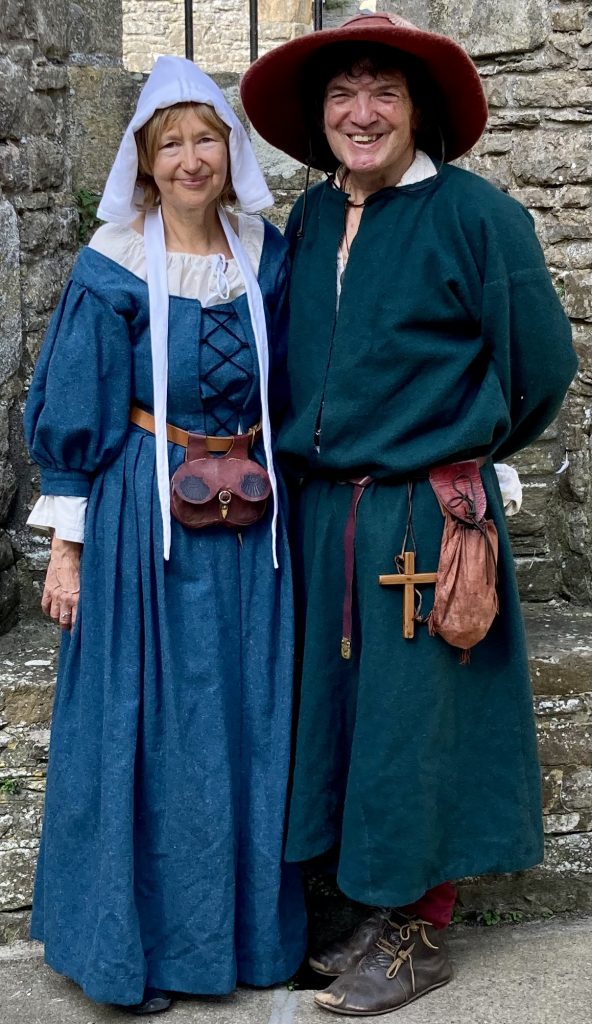
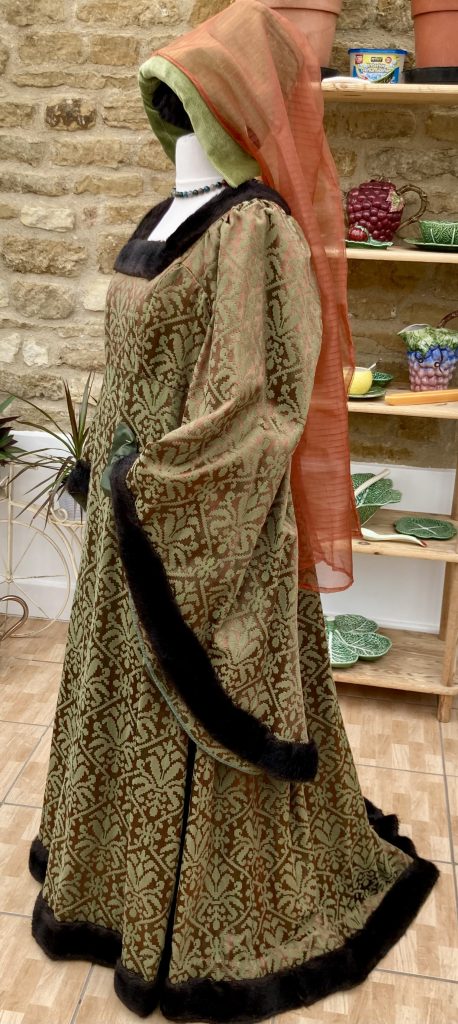
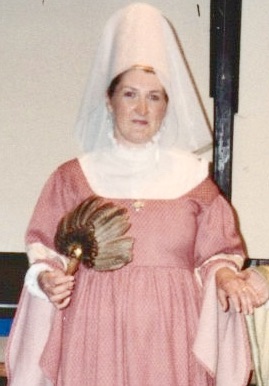
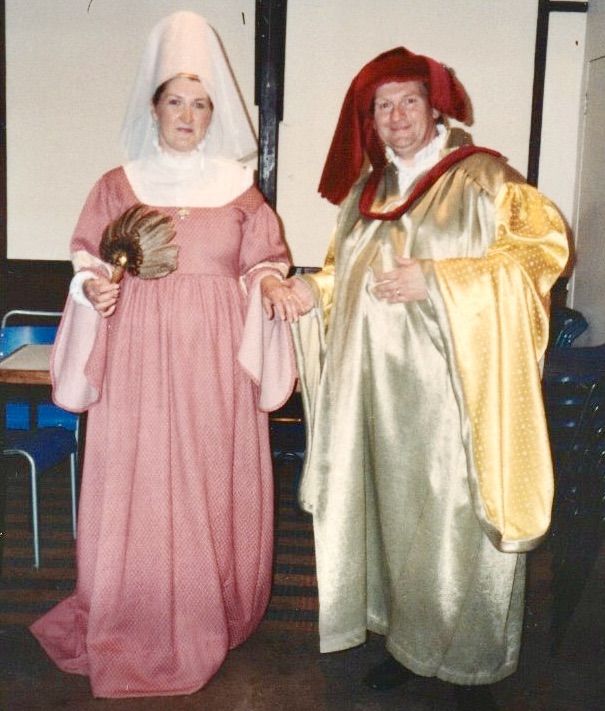
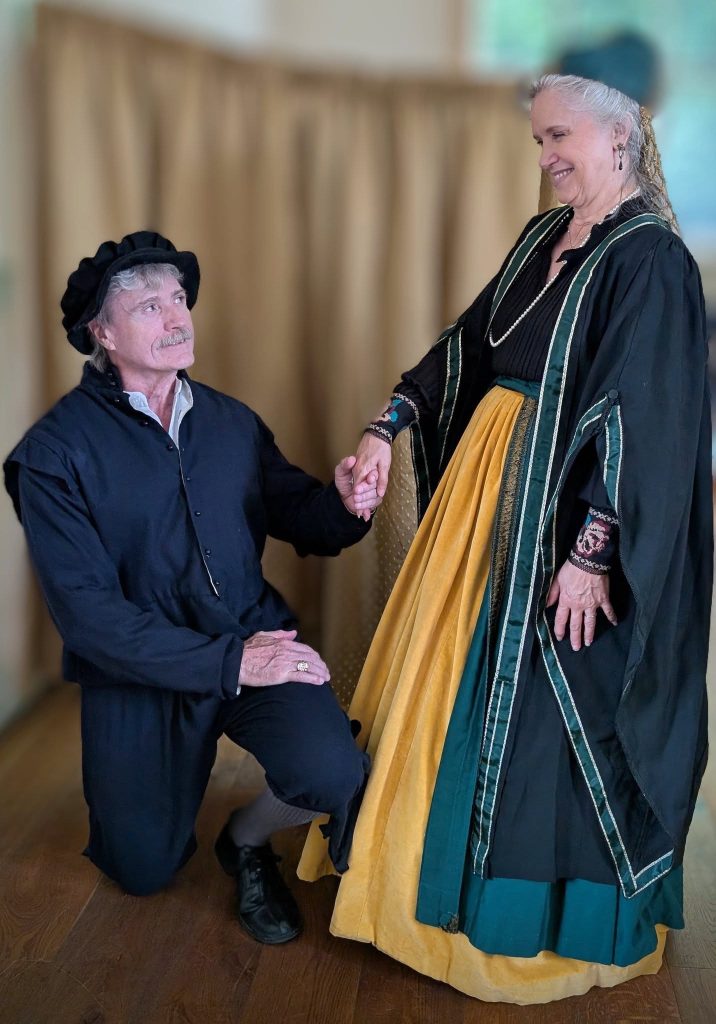
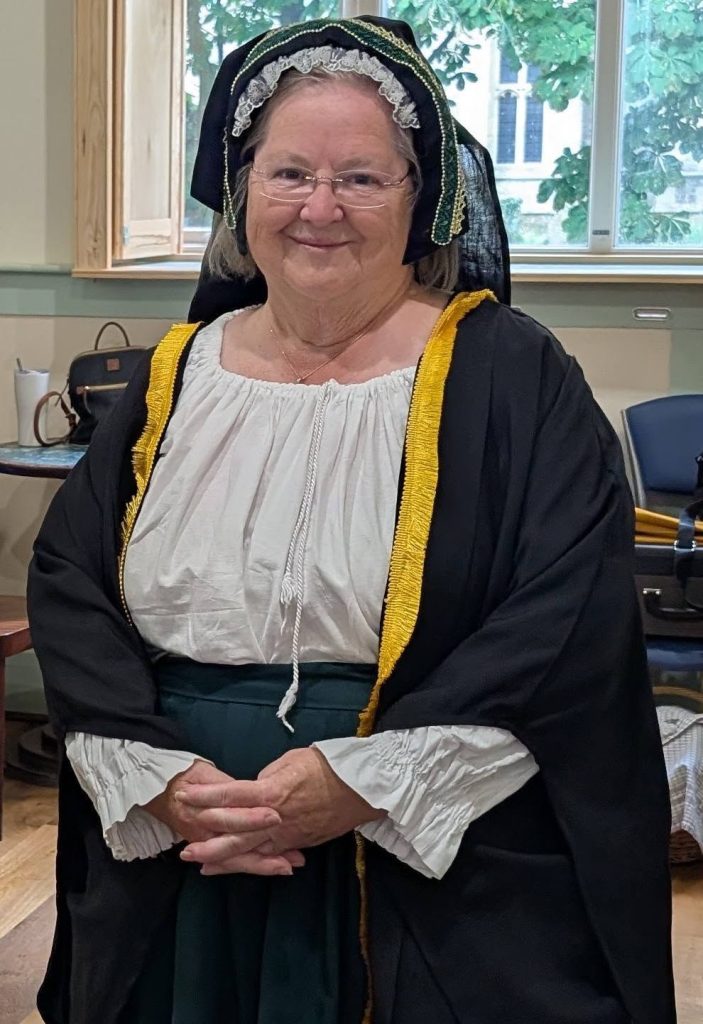
Our 14th & 15th Century costumes are comfortable and easy to wear, though often difficult to make. The soft flowing lines of both male and female attire are more complex than they appear: sleeve construction in particular is very different from what we are used to today.
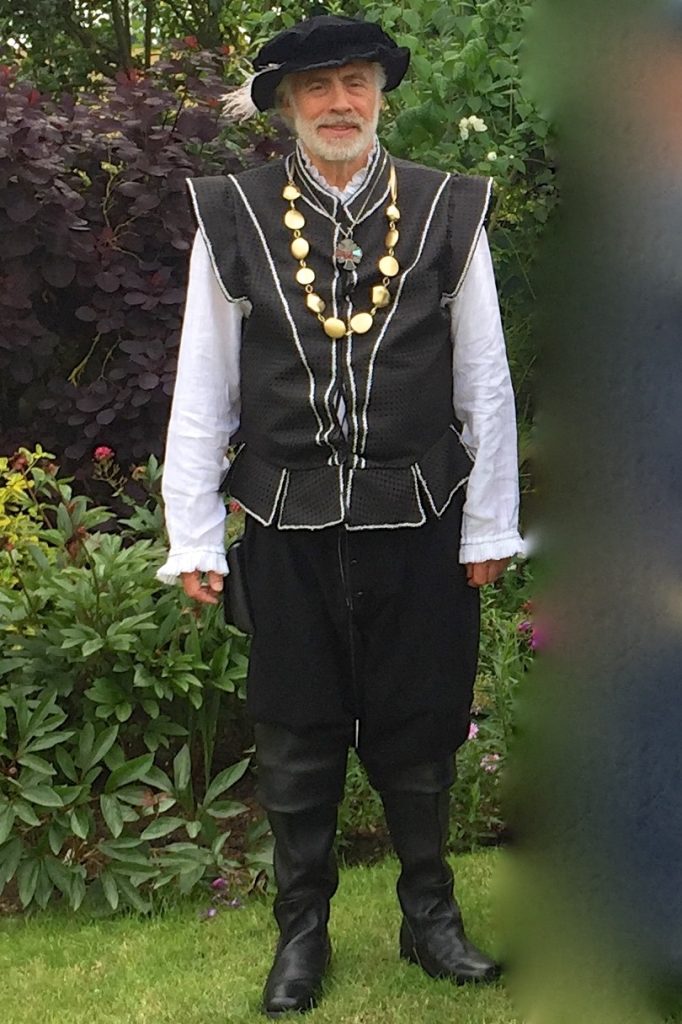
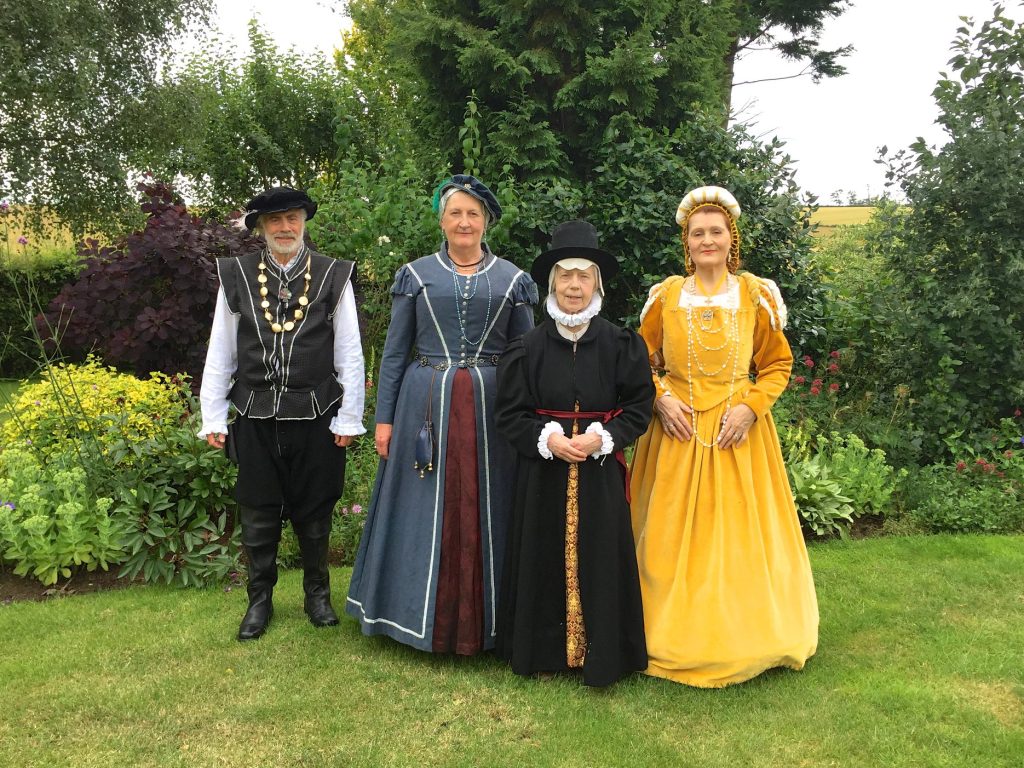
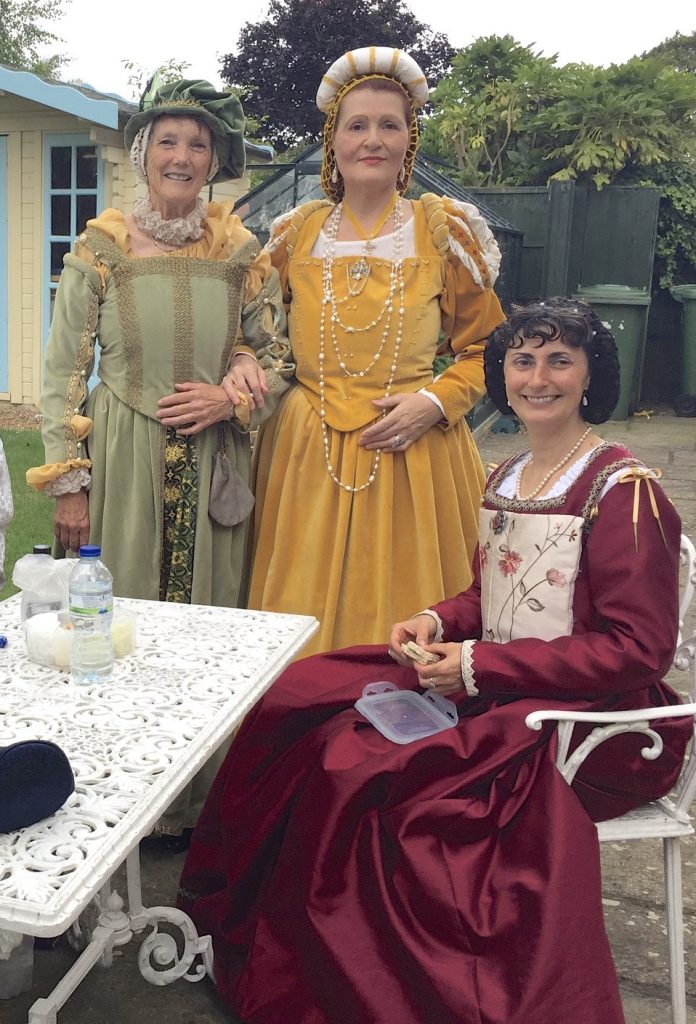
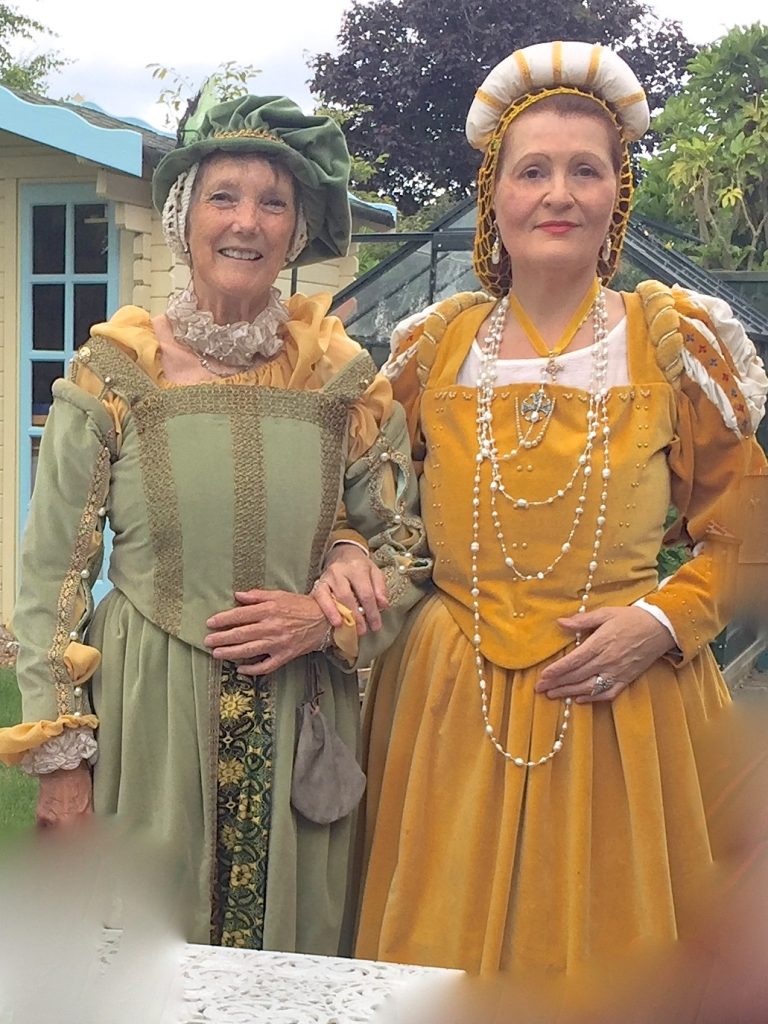
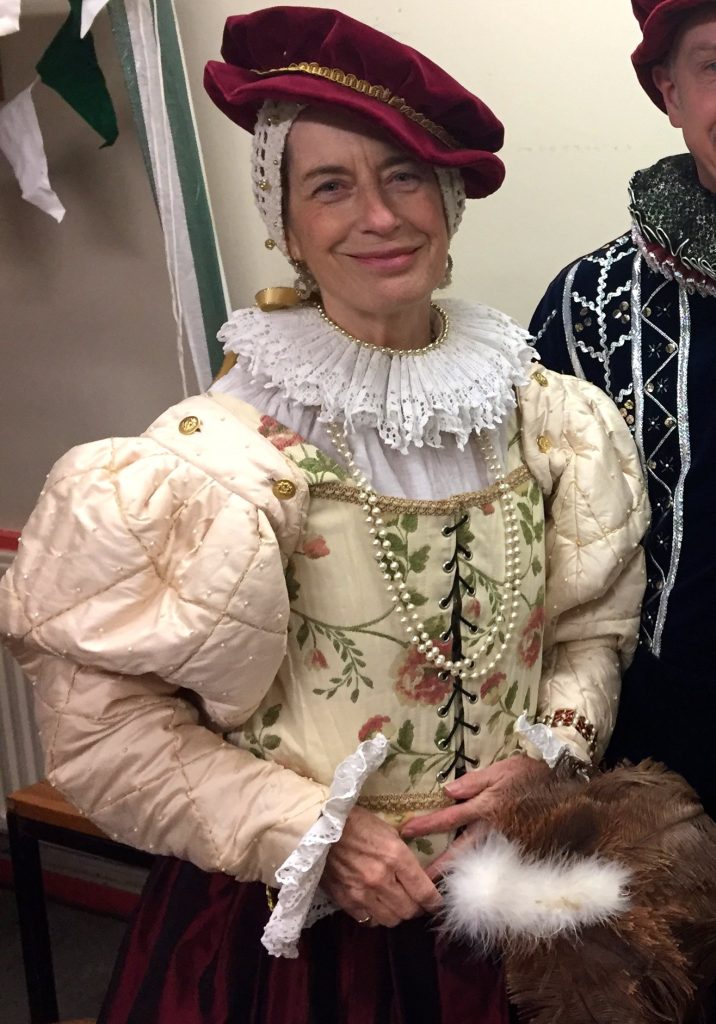
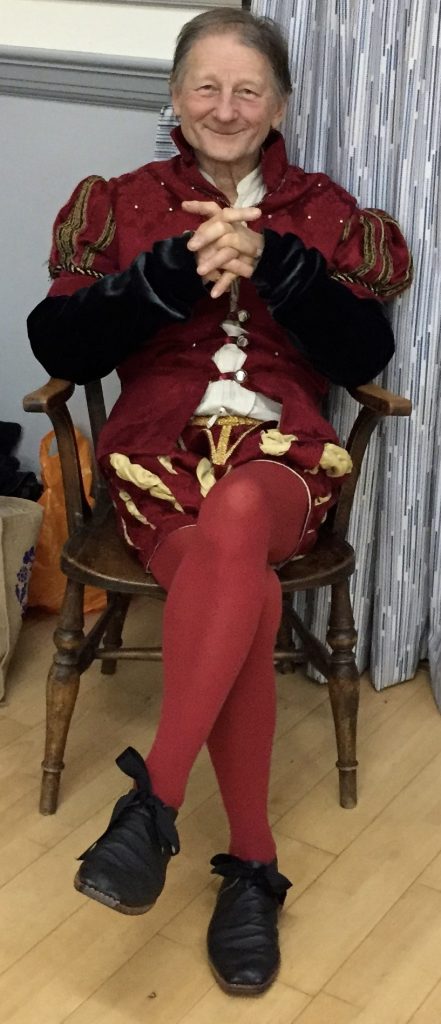
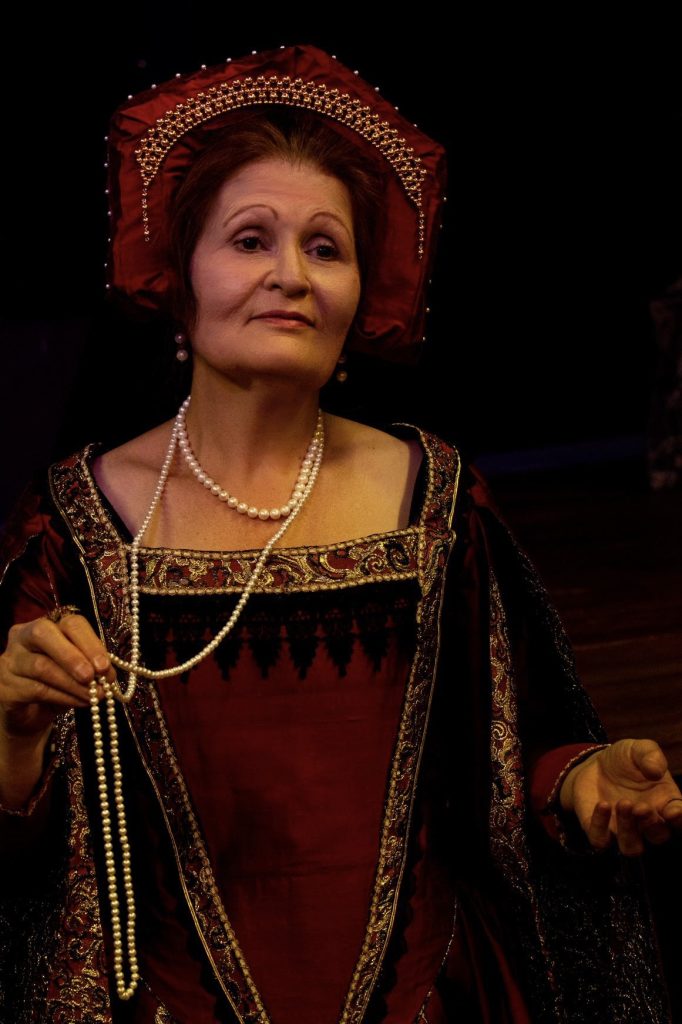
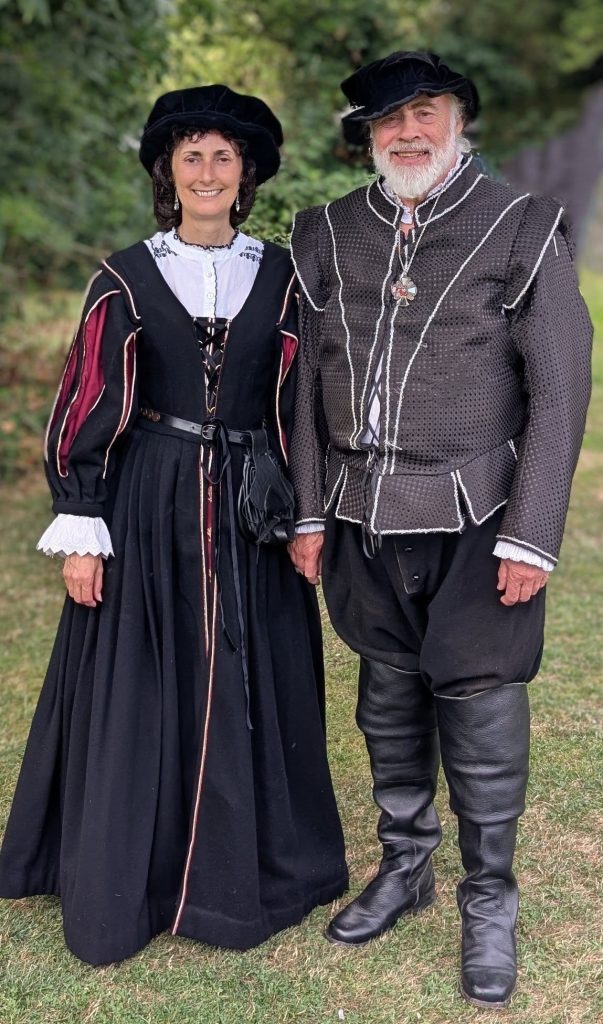
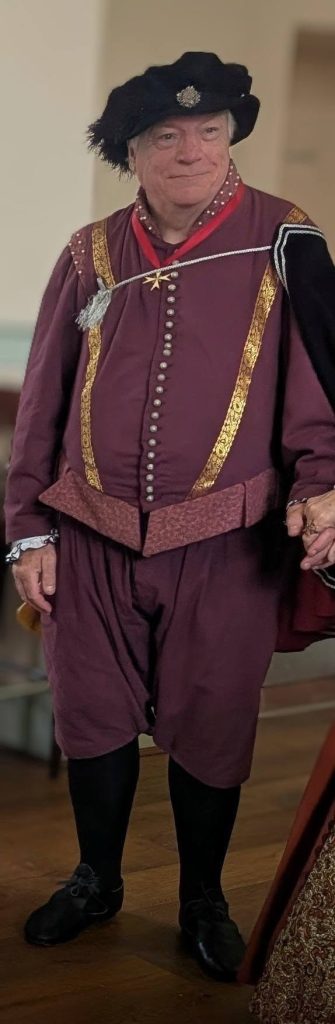
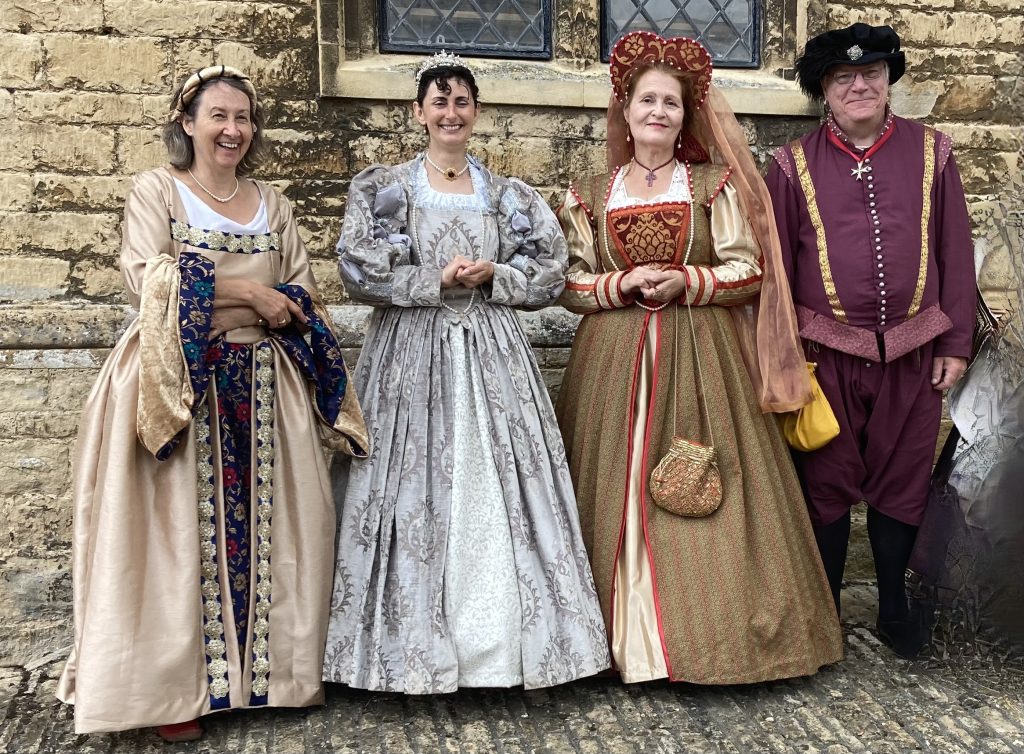
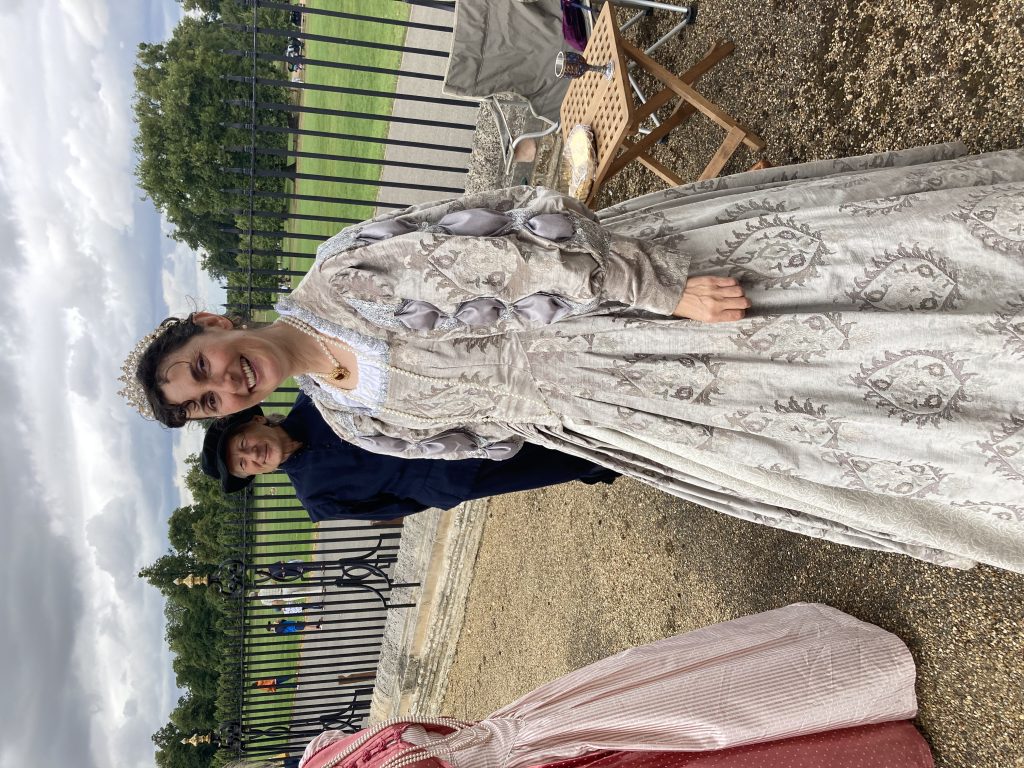
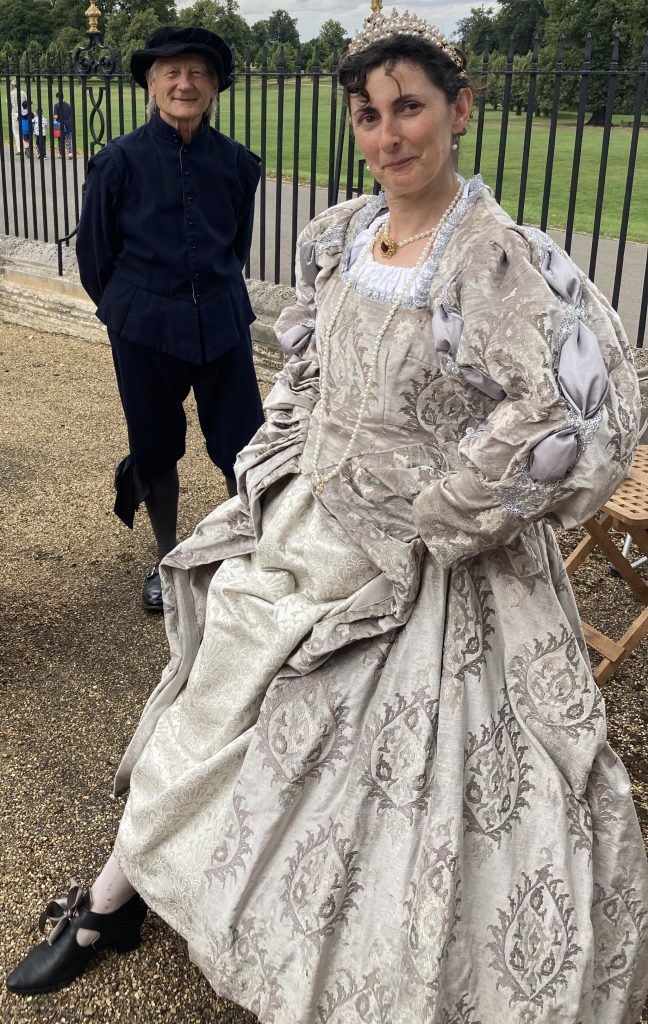
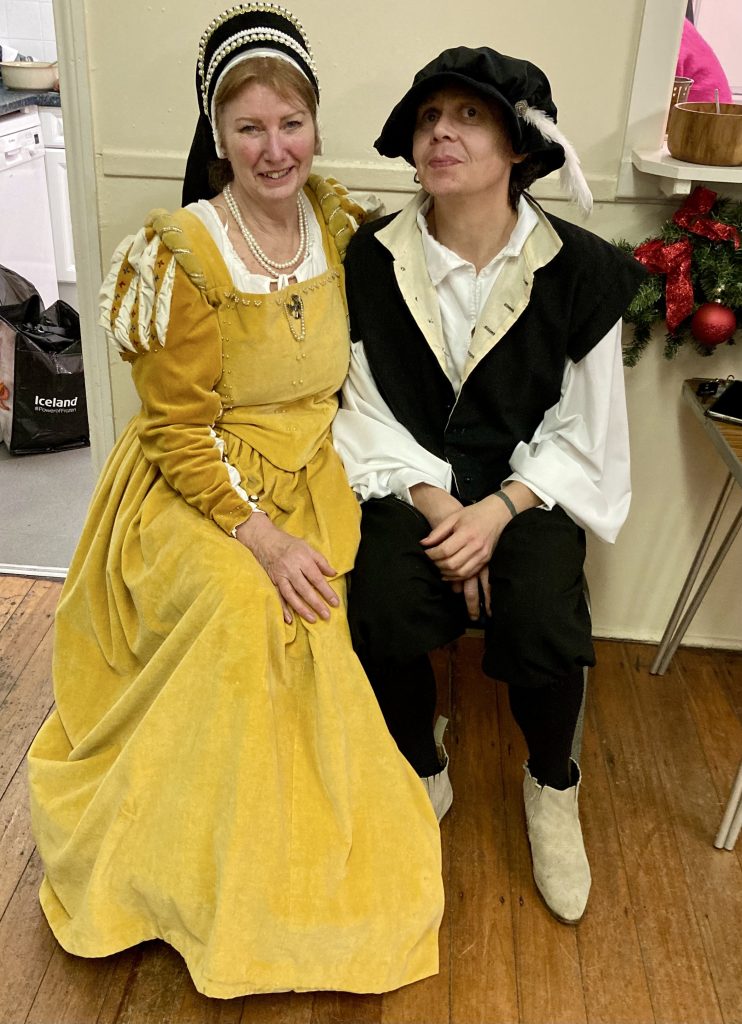
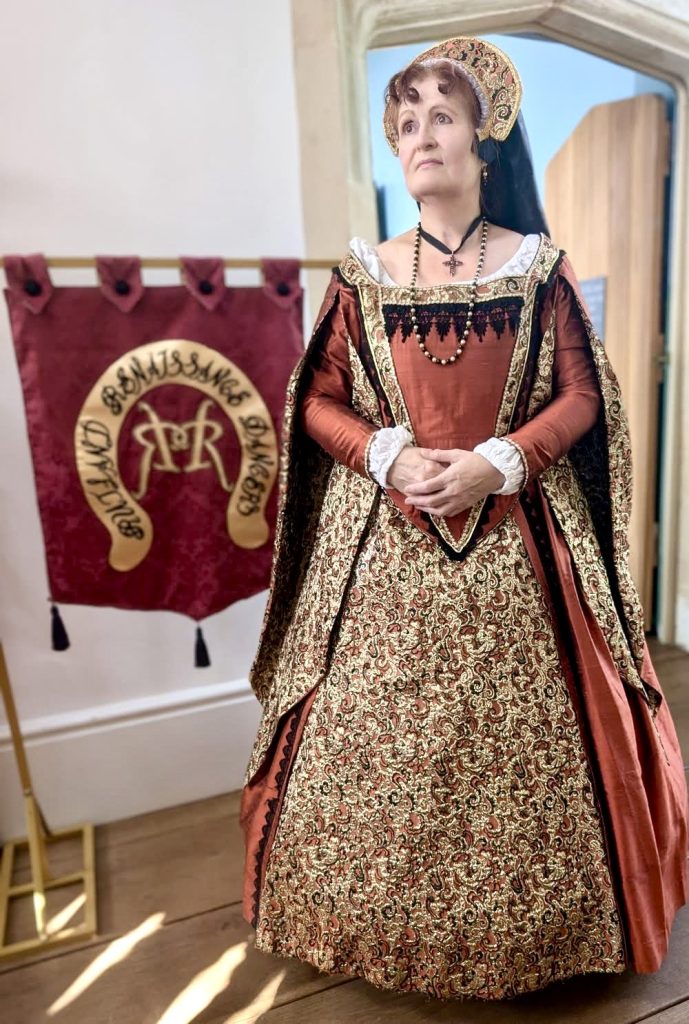
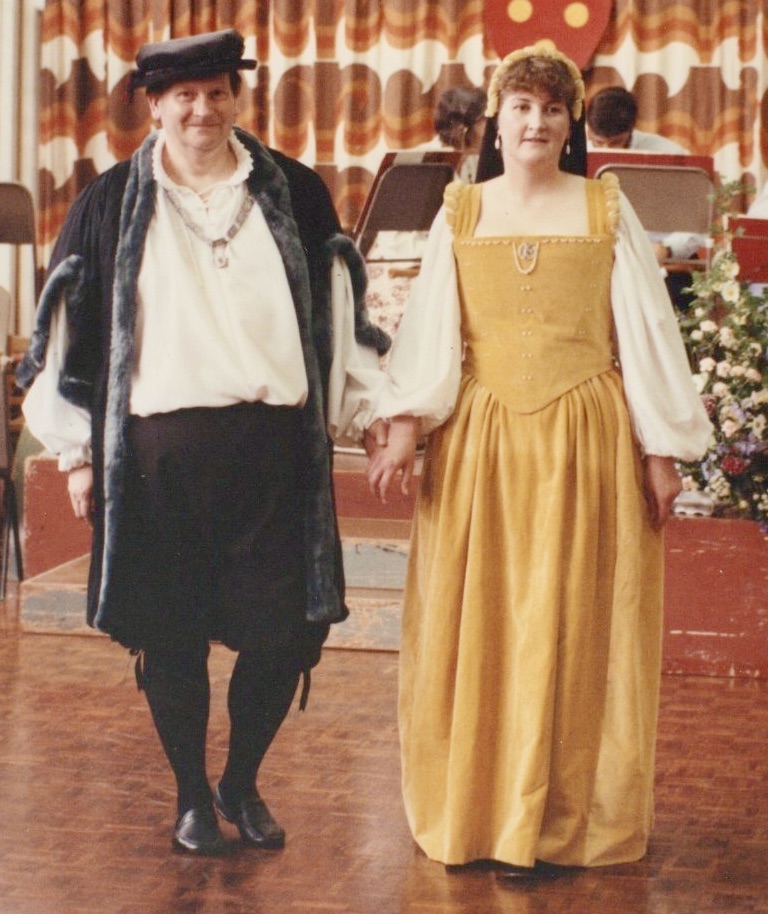
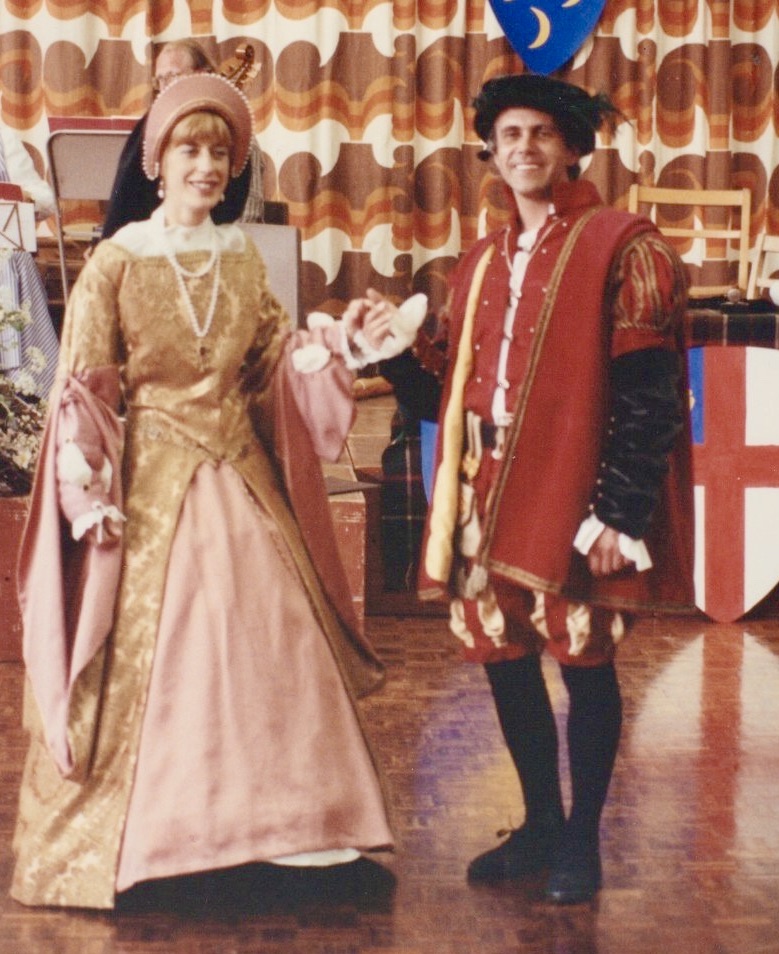
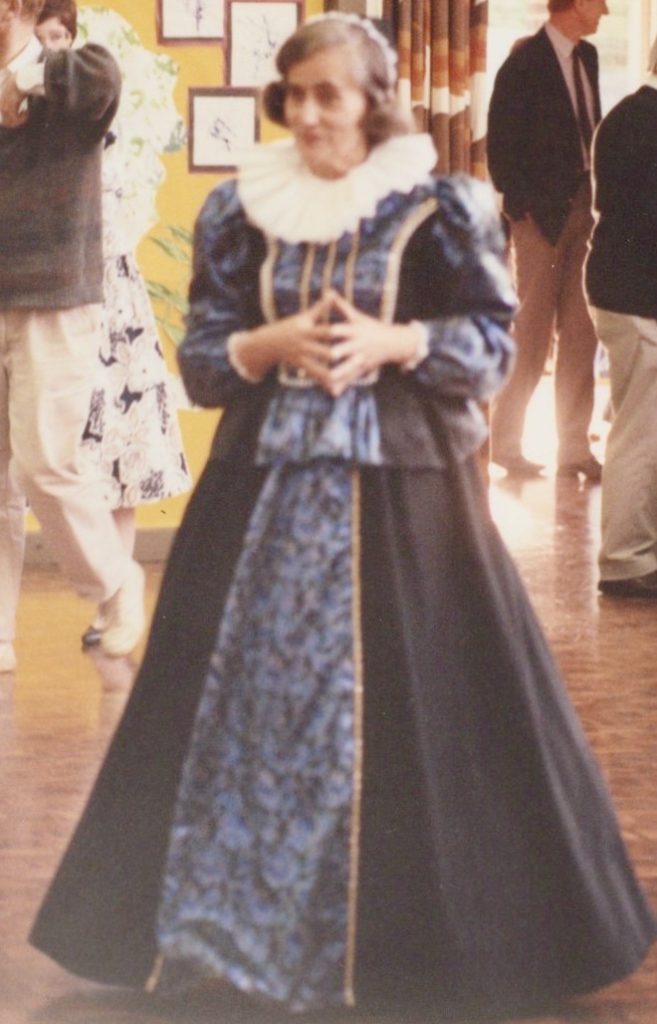
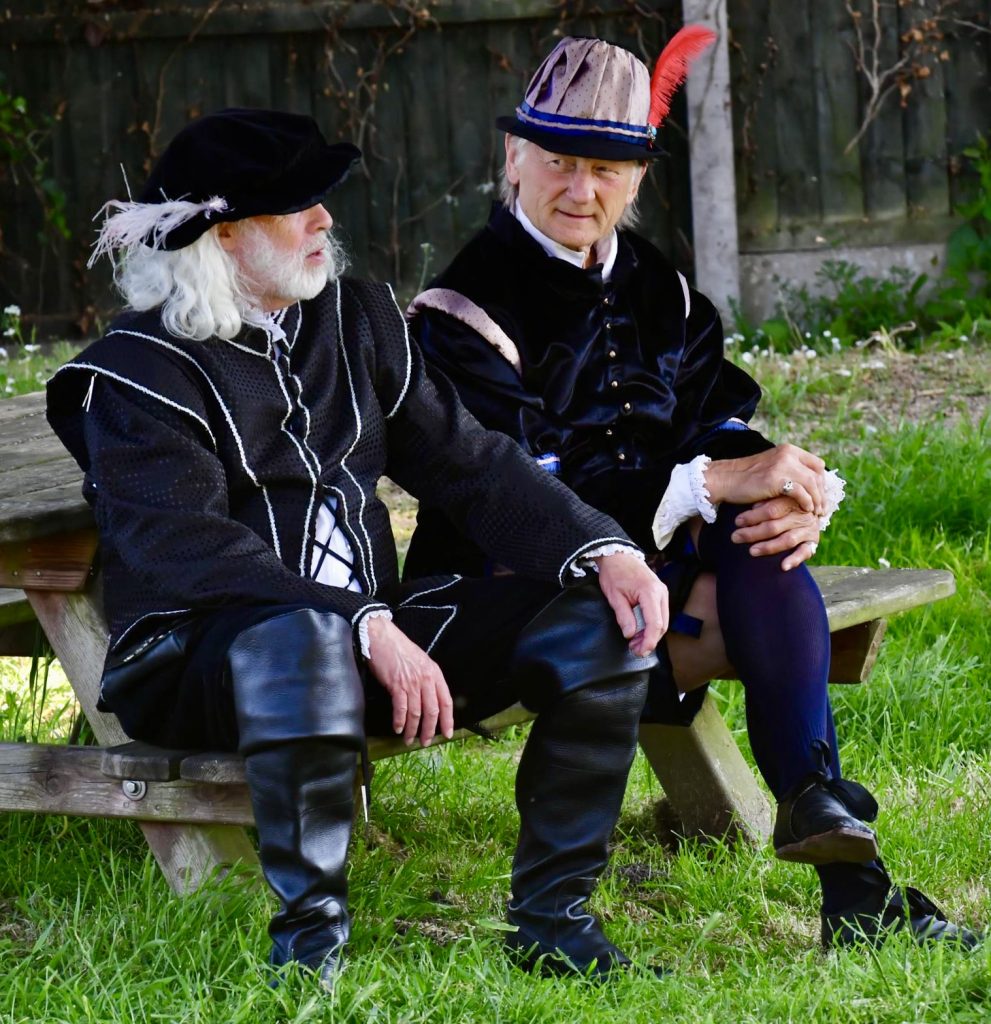
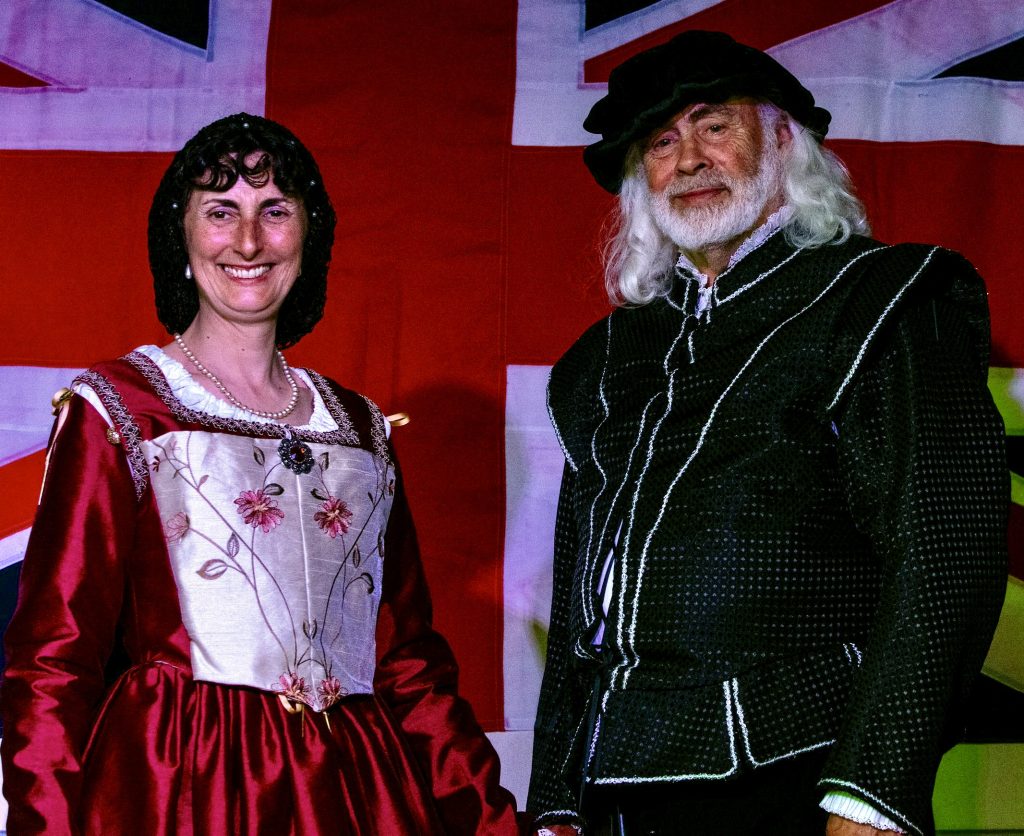
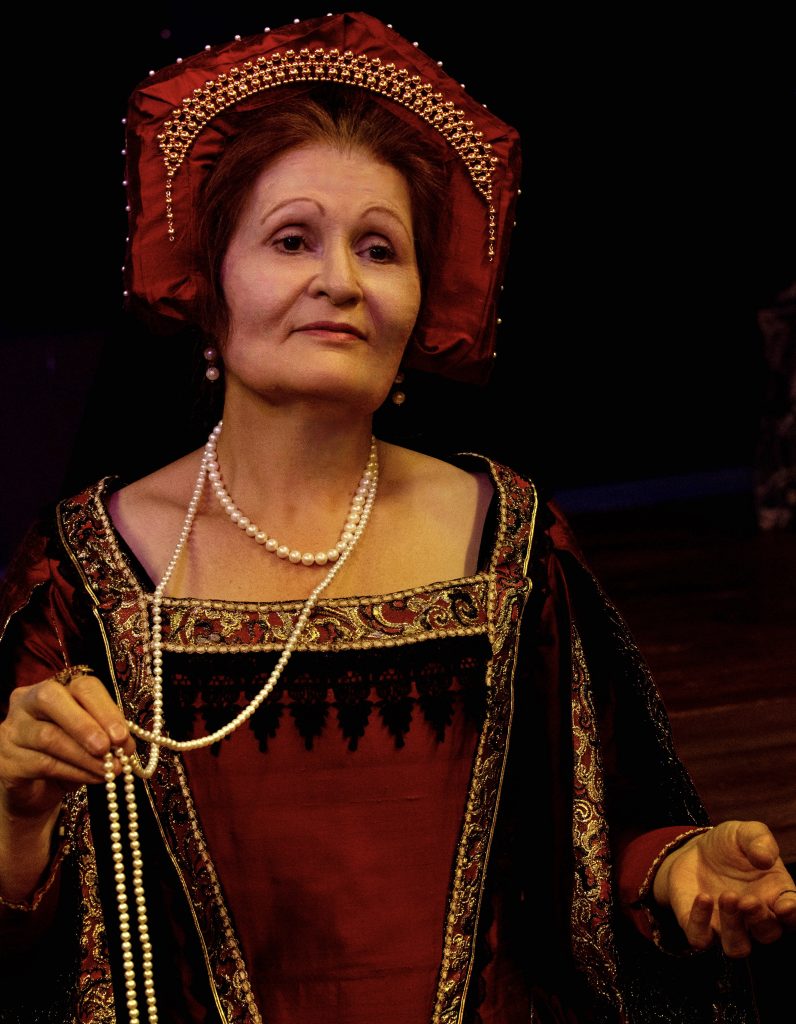
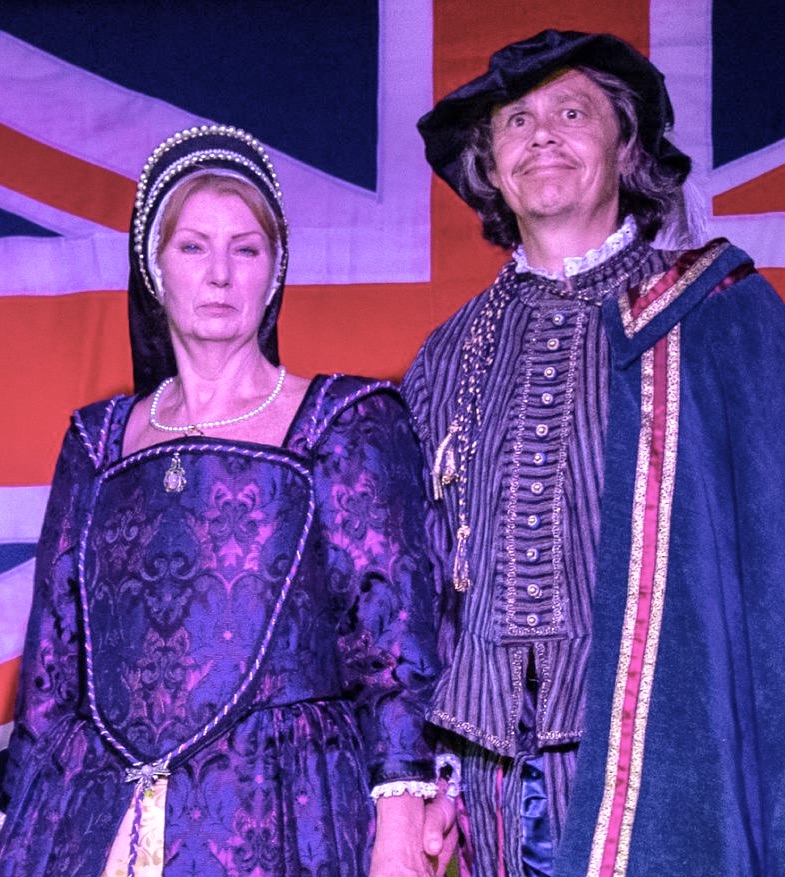
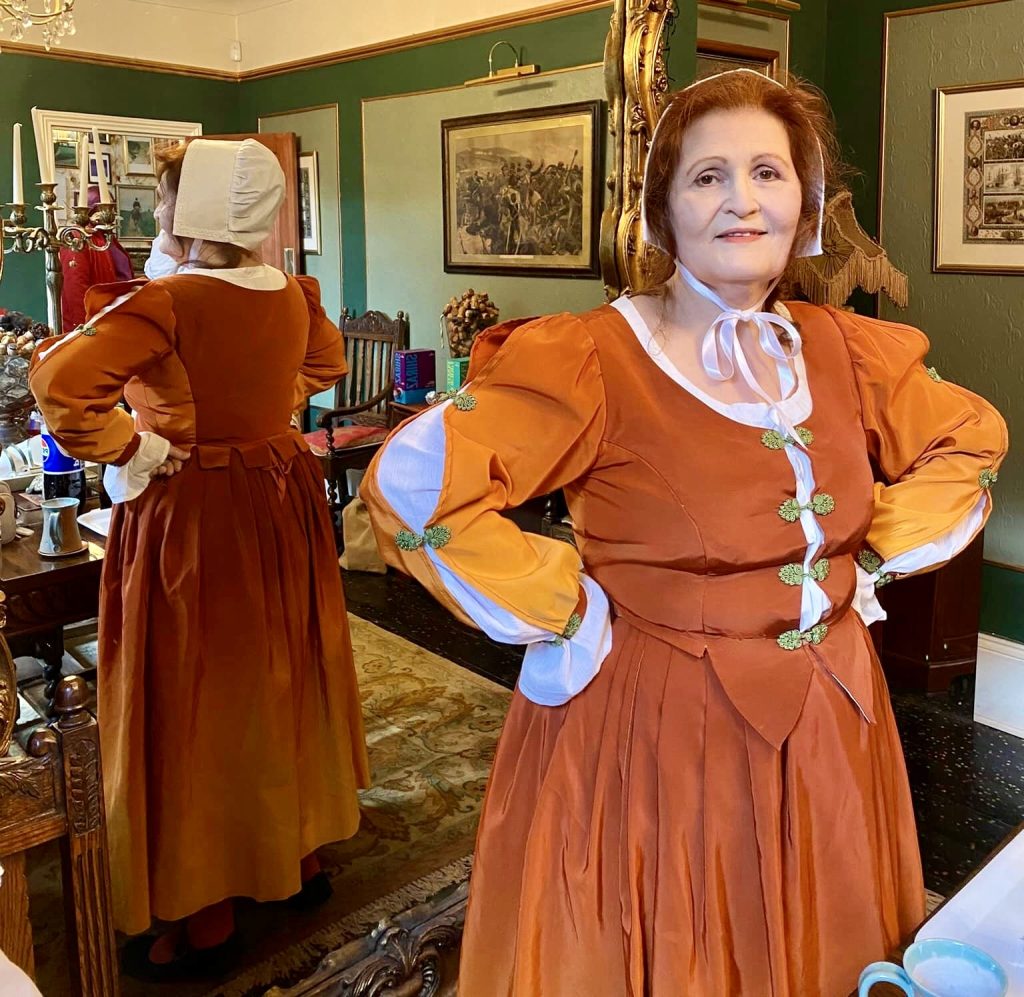
Our 16th Century garments are stiffer and tighter. ‘Bents’ (strips of wood or other materials), stiffened interlinings, quilting and ‘bombasting’ (stuffing) all add to their overall effect. Ladies’ bodices and men’s doublets are close fitting, while ladies’ skirts and men’s hose are voluminous.
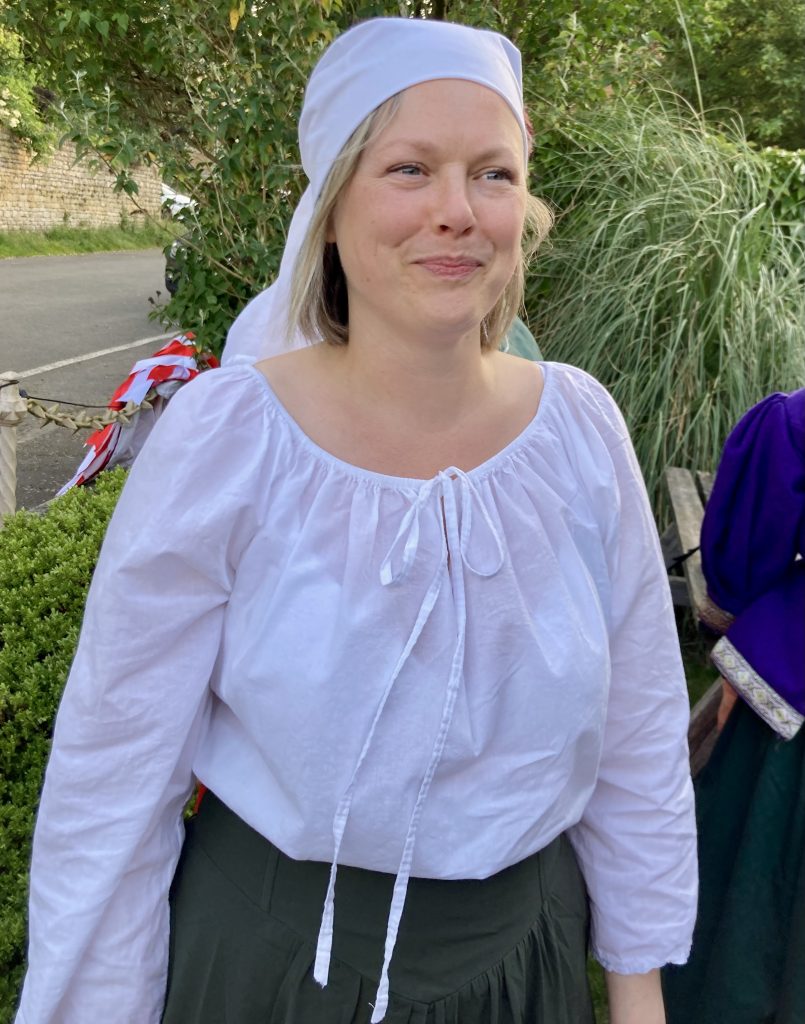
Ladies’ underwear is complex. The chemise, a simple, light underdress, is worn next to the skin and was supplemented in the 16th Century by a corset, intended to flatten the bust, a Spanish farthingale (hooped underskirt) or French farthingale (a bum roll), plus petticoats and an underskirt.
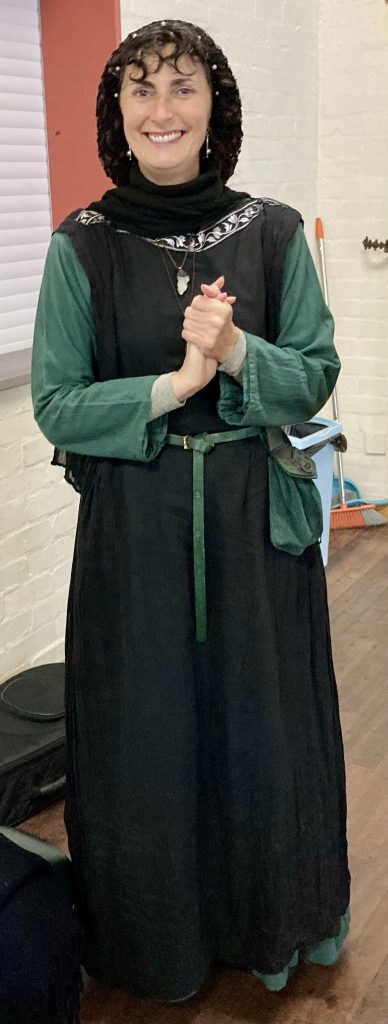
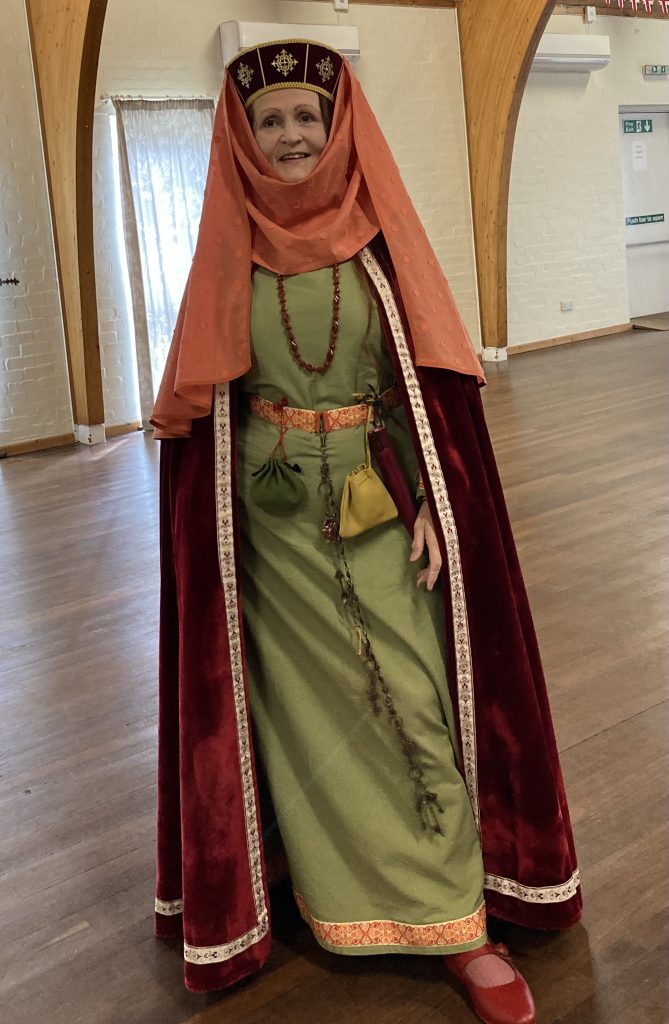
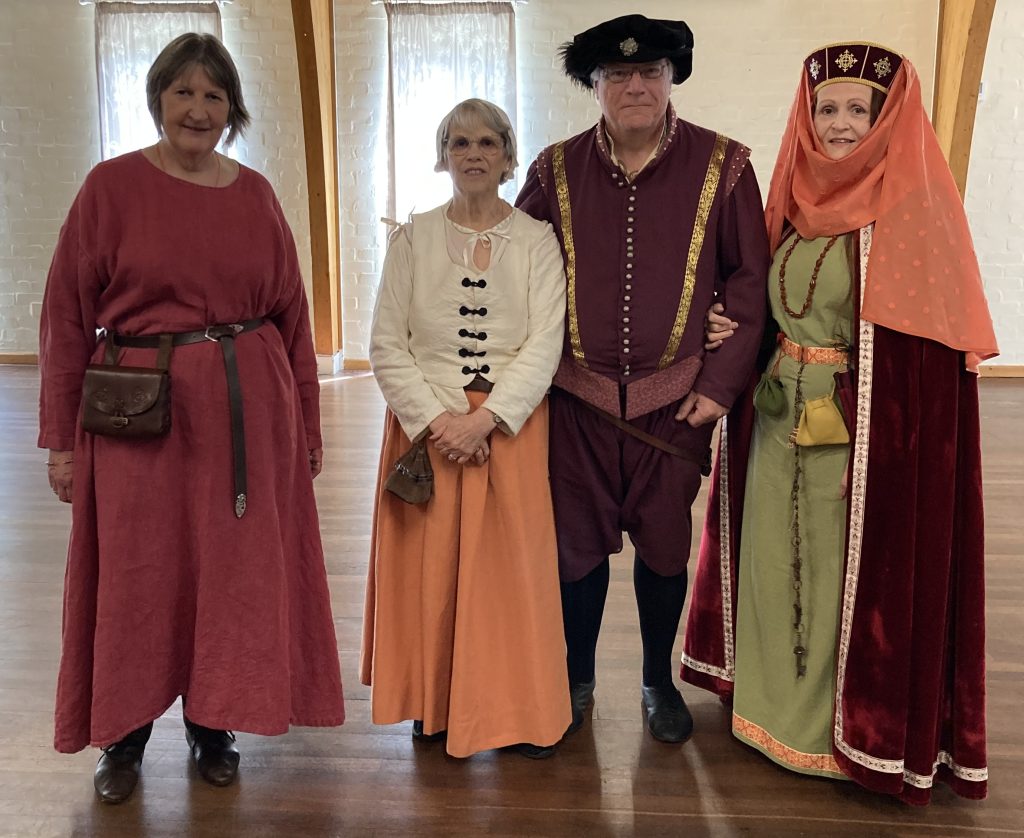
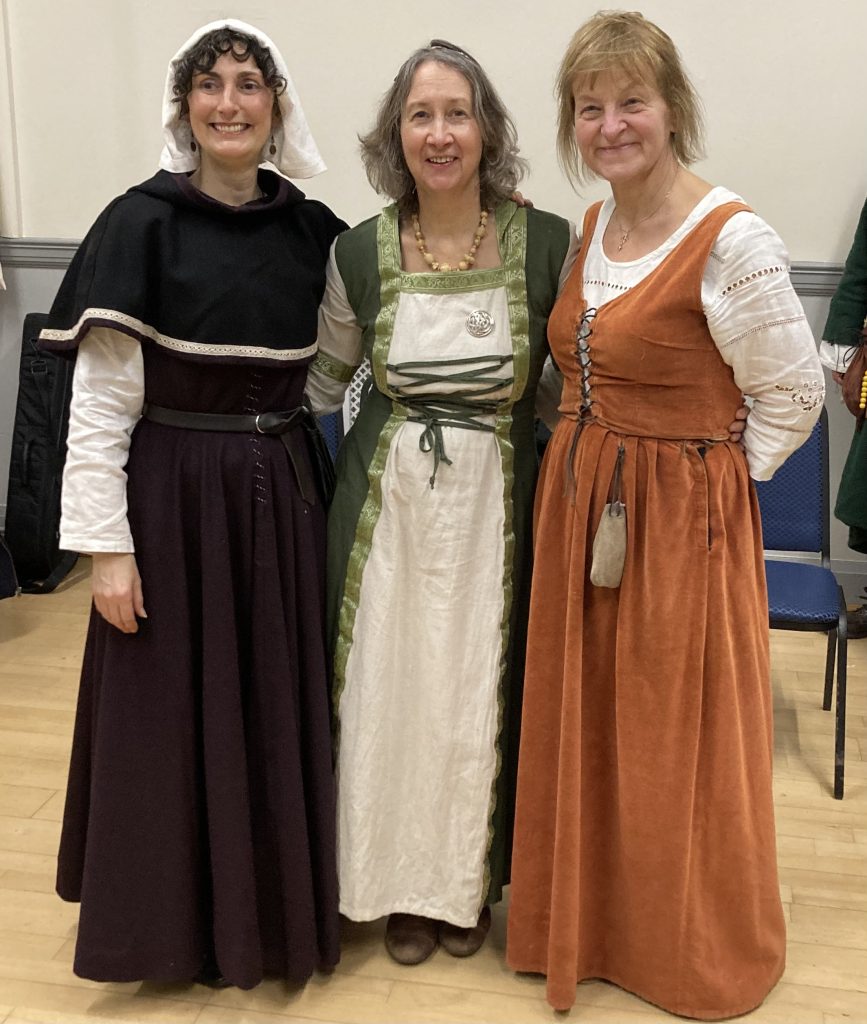
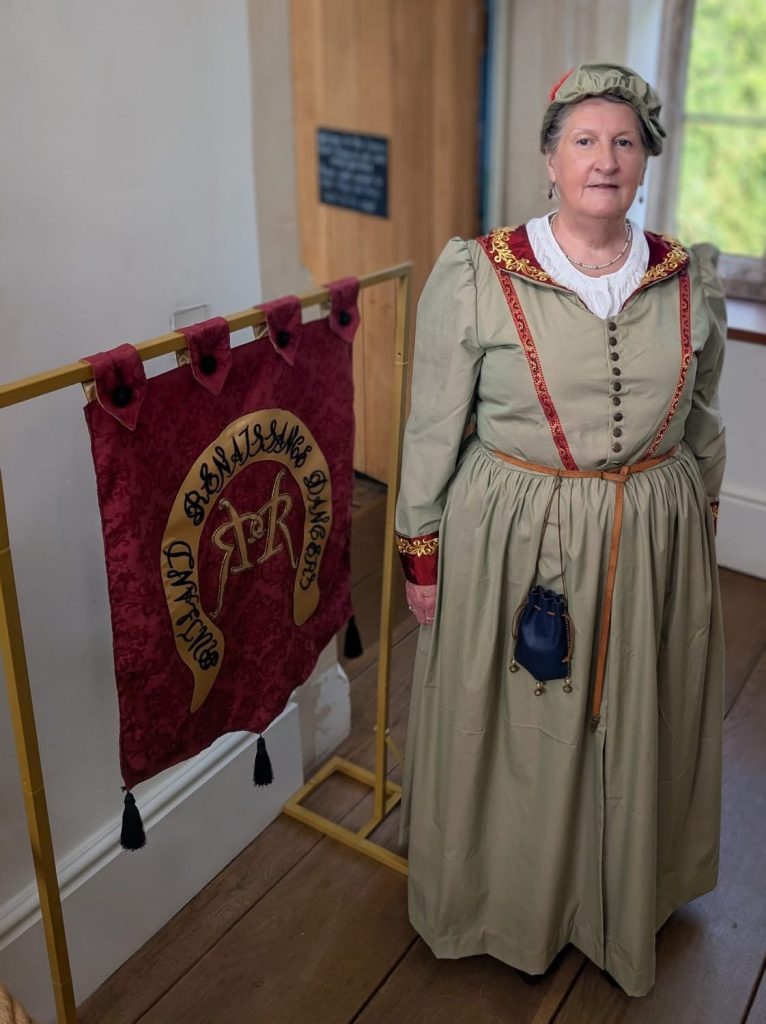
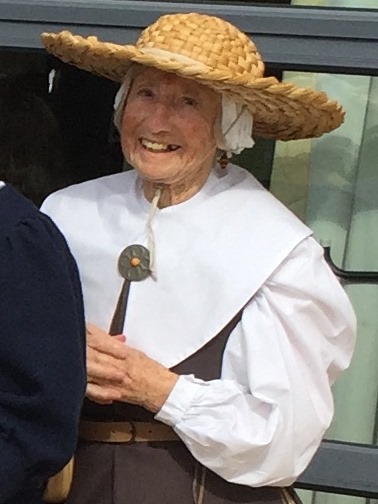
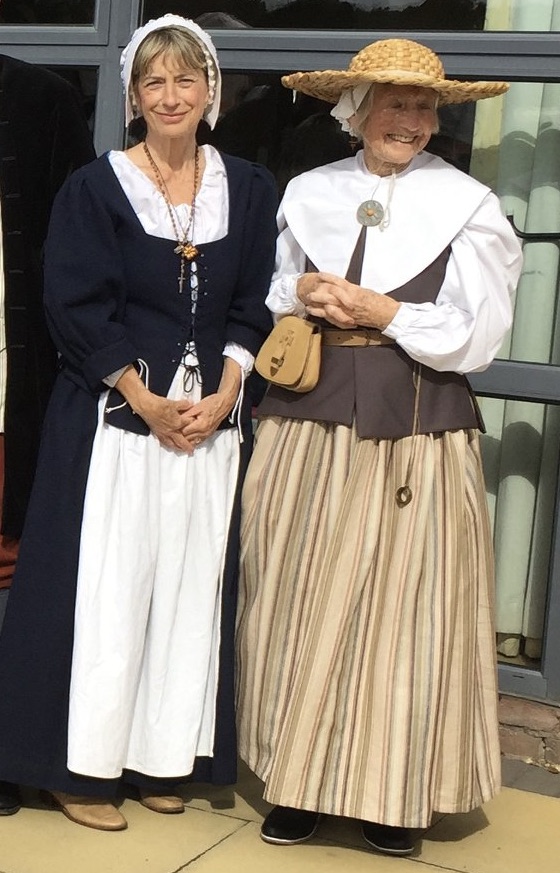
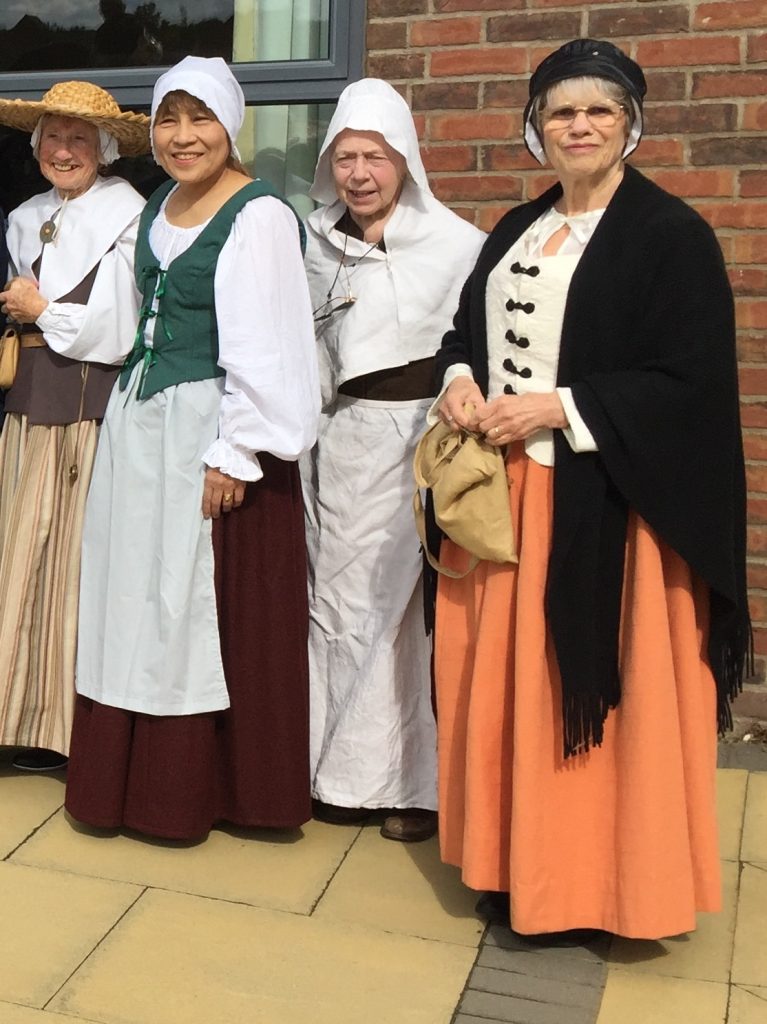
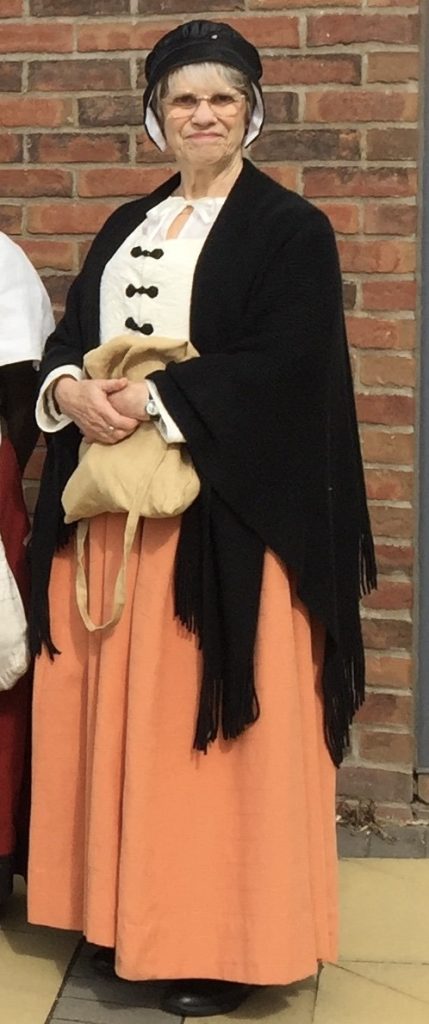
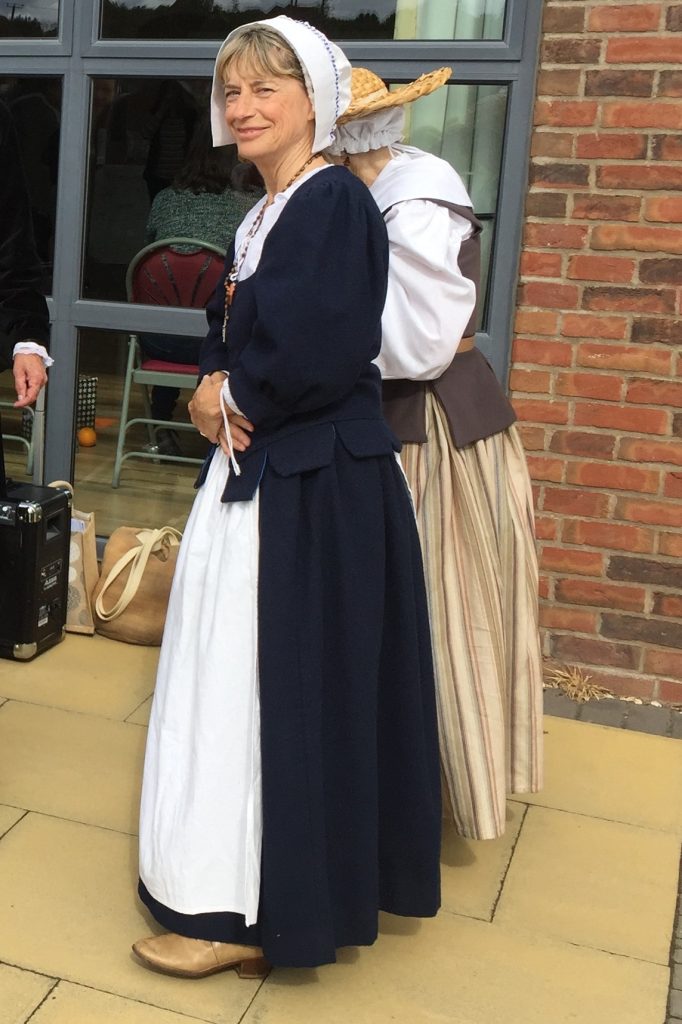
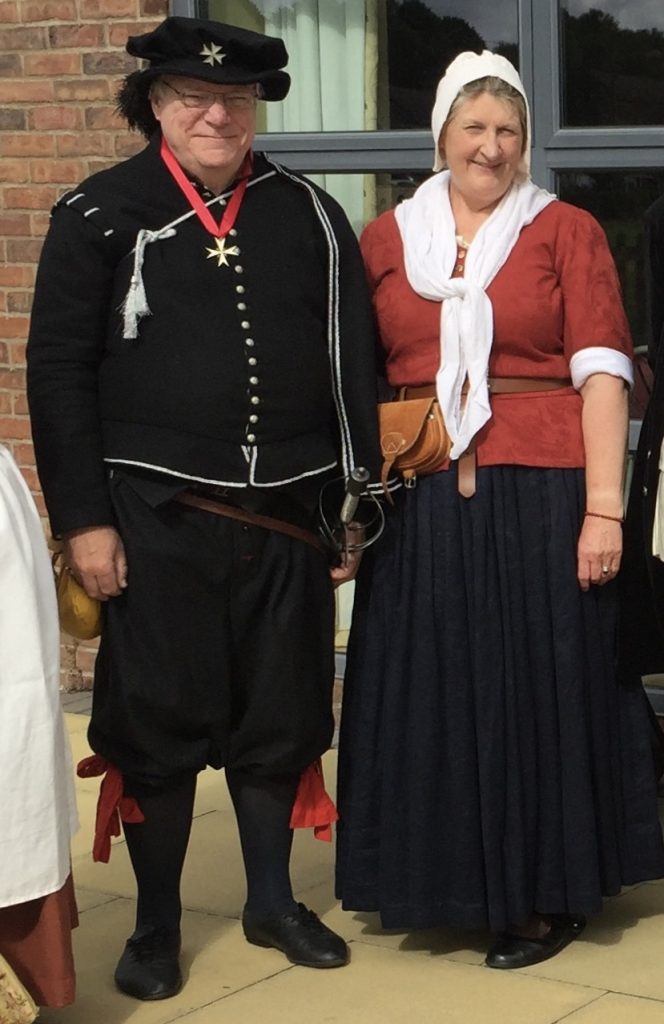
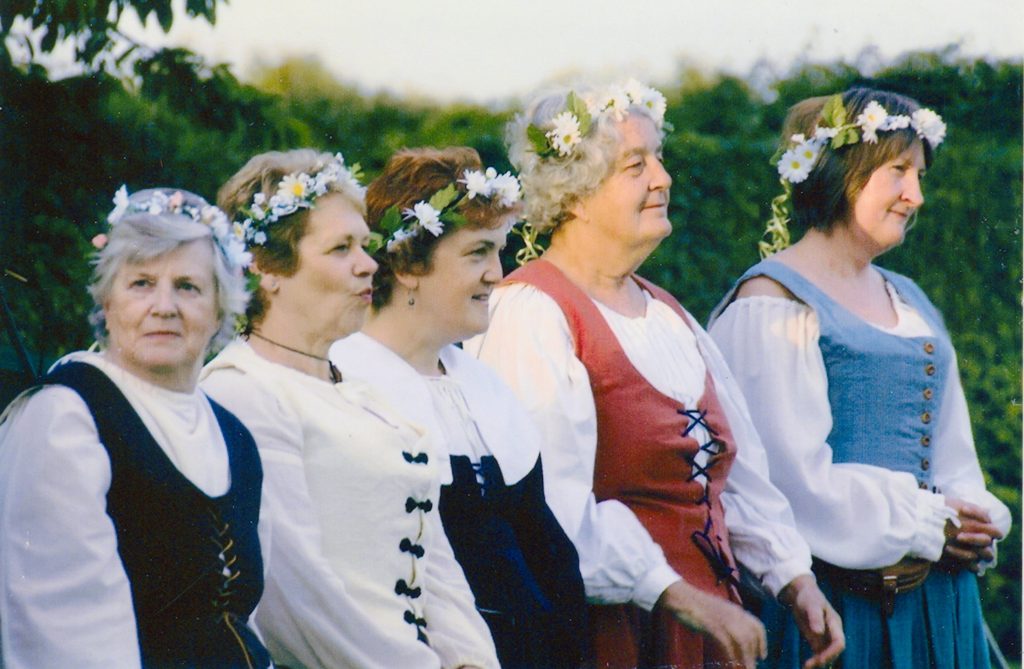
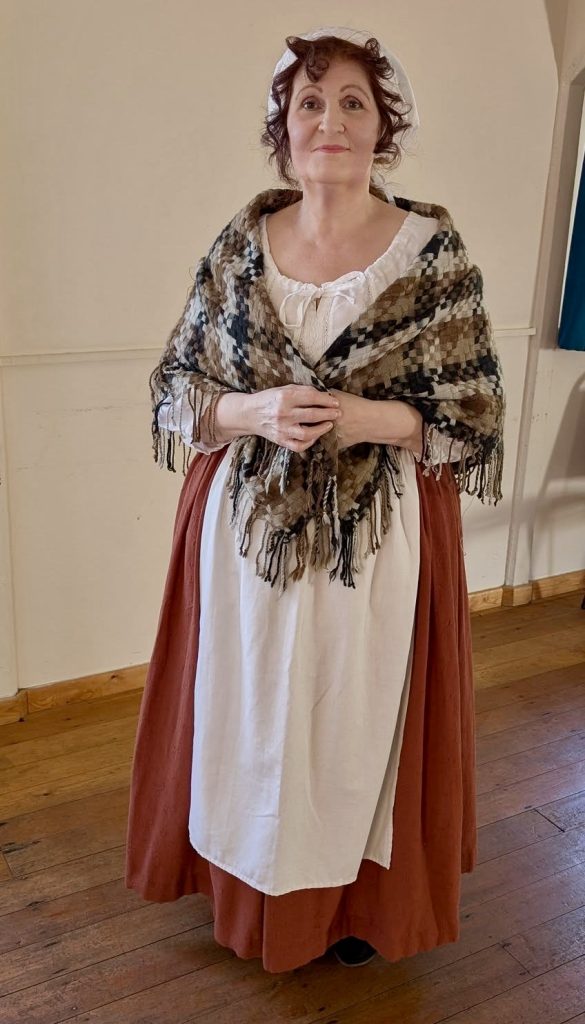
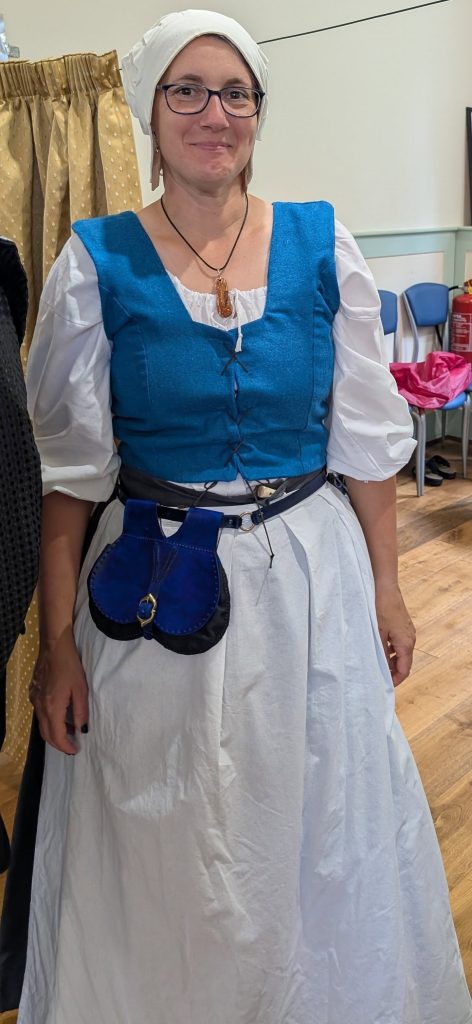
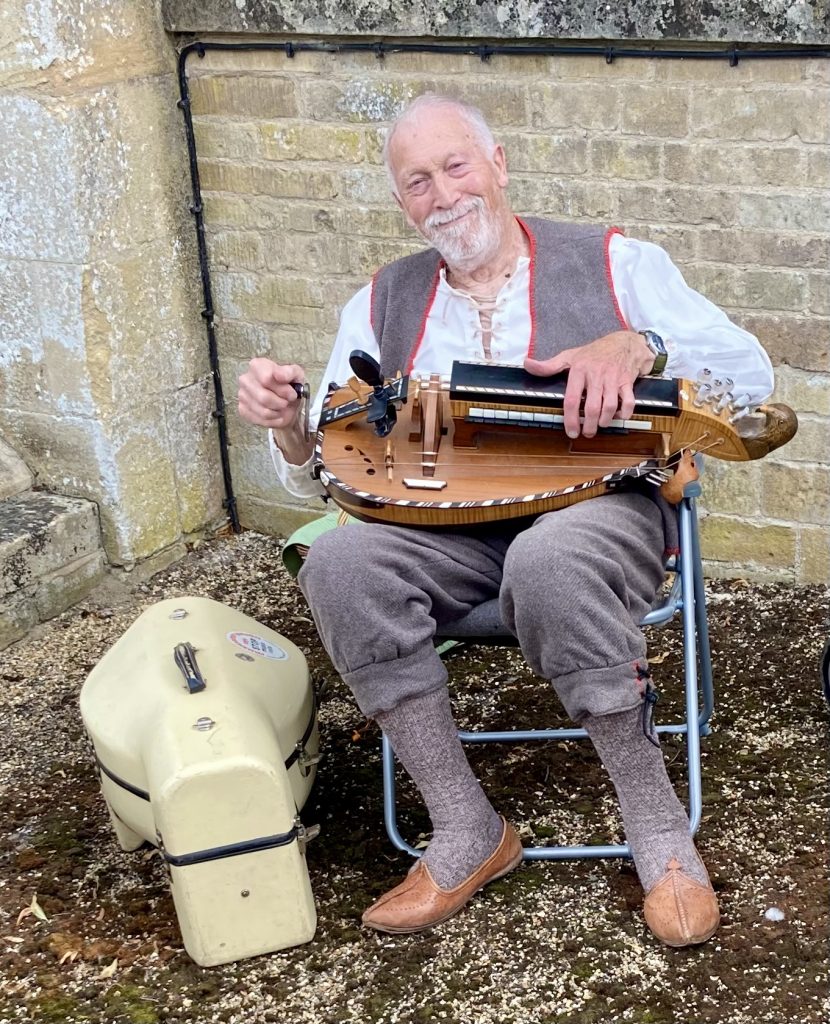
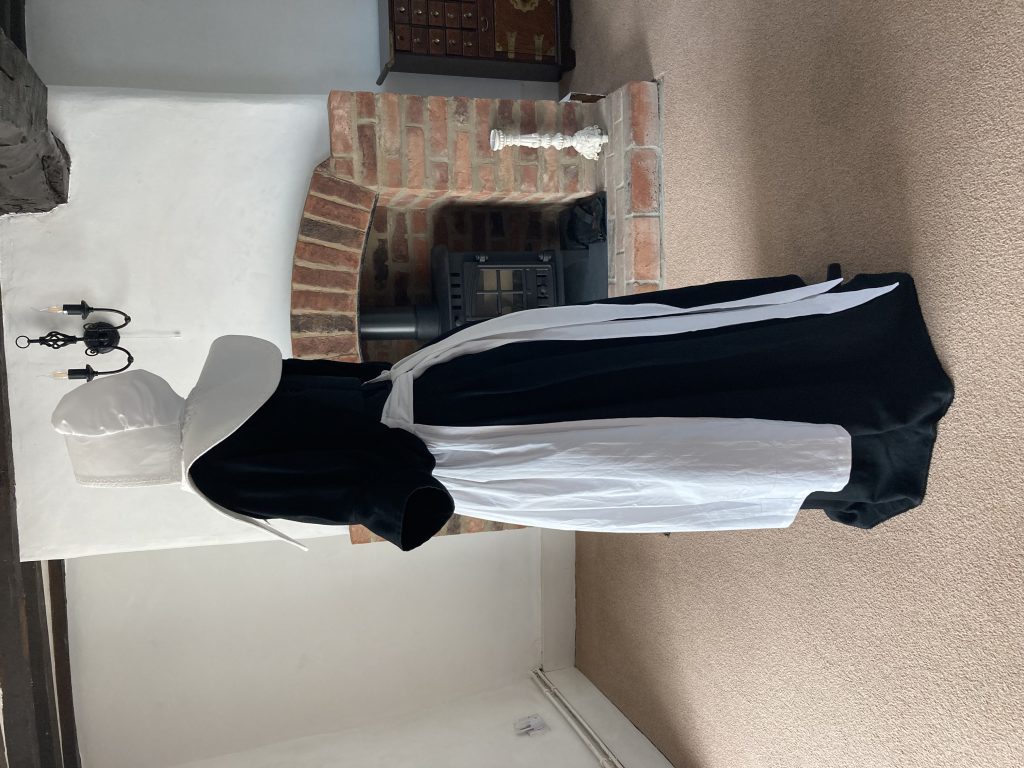
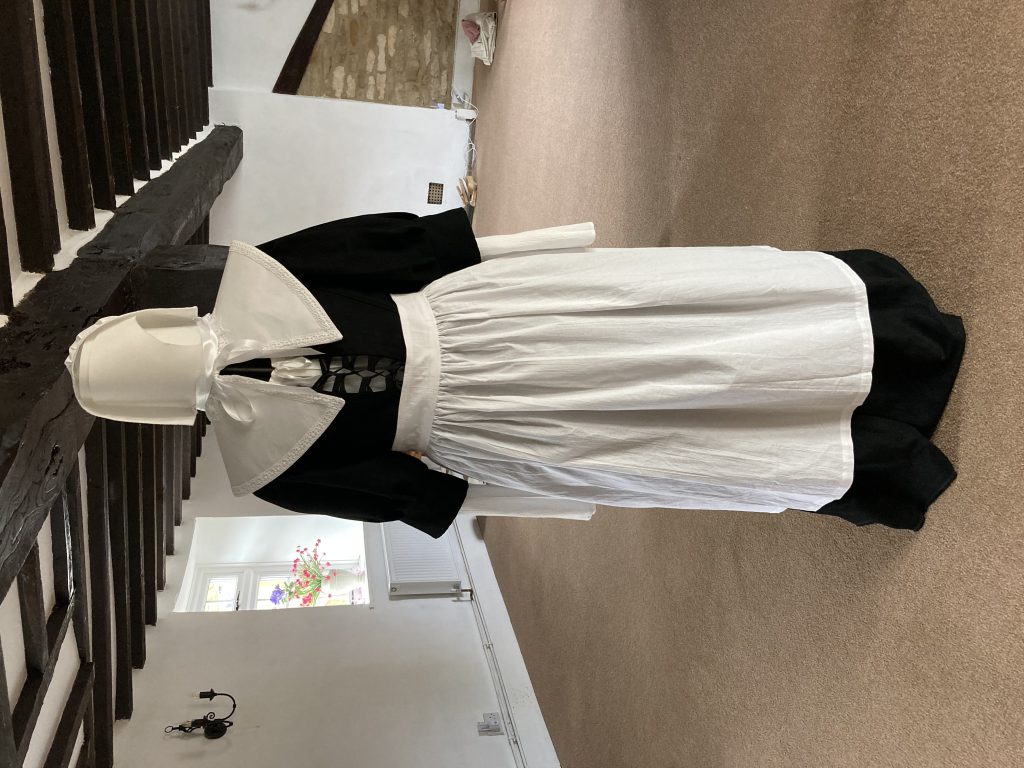
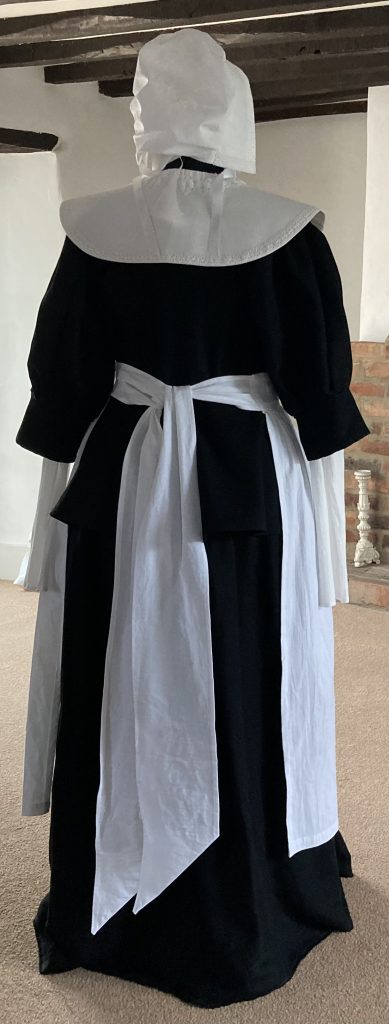
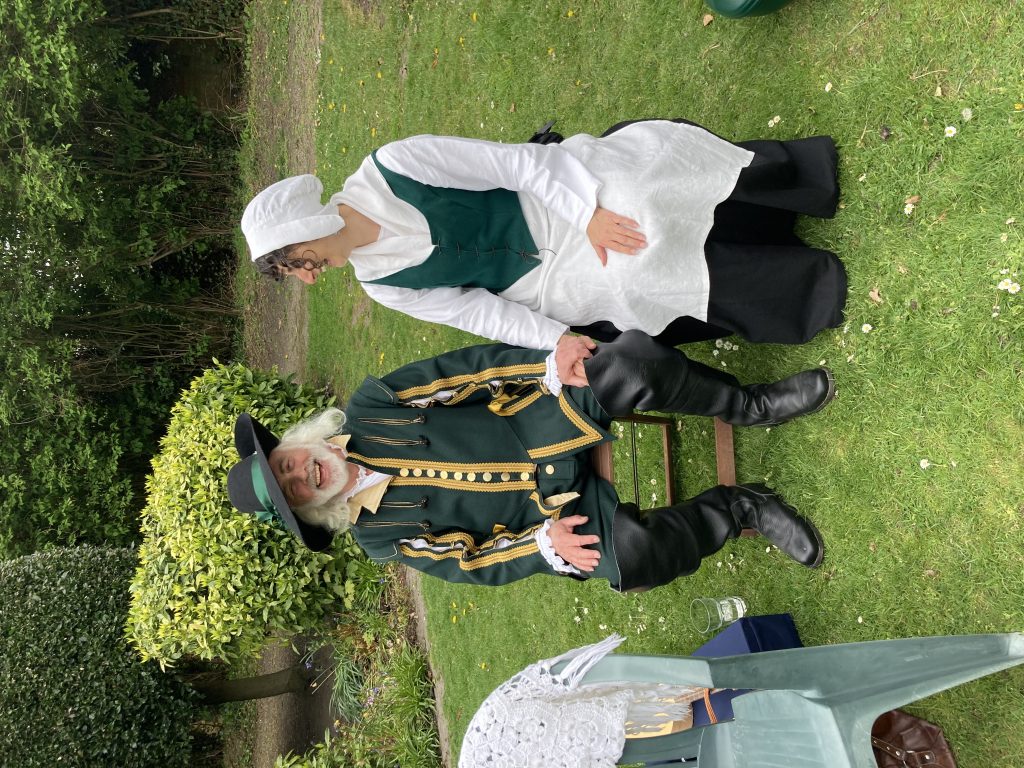
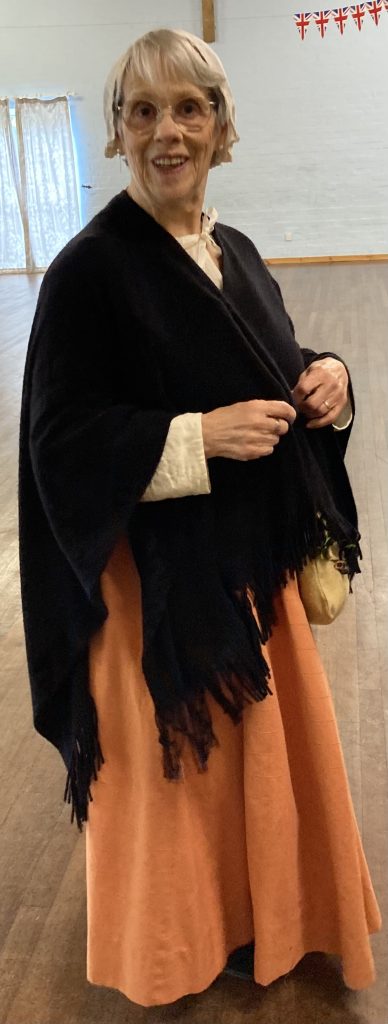
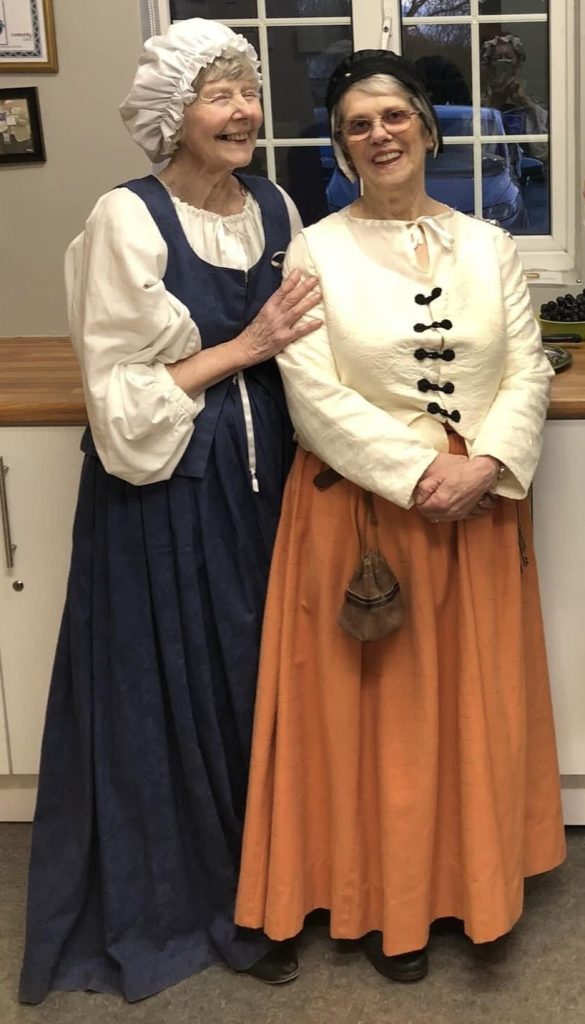
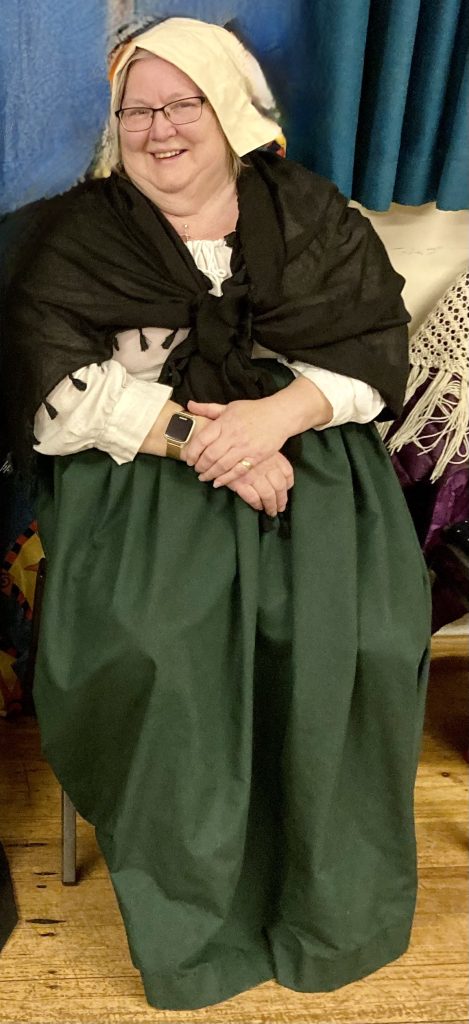
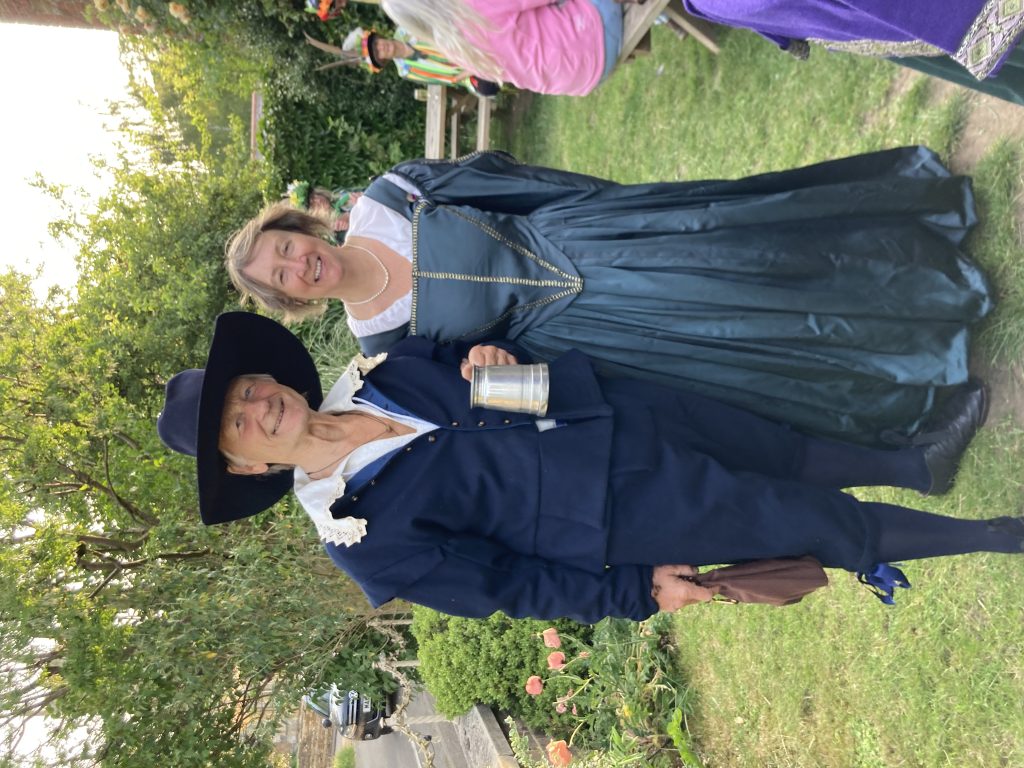
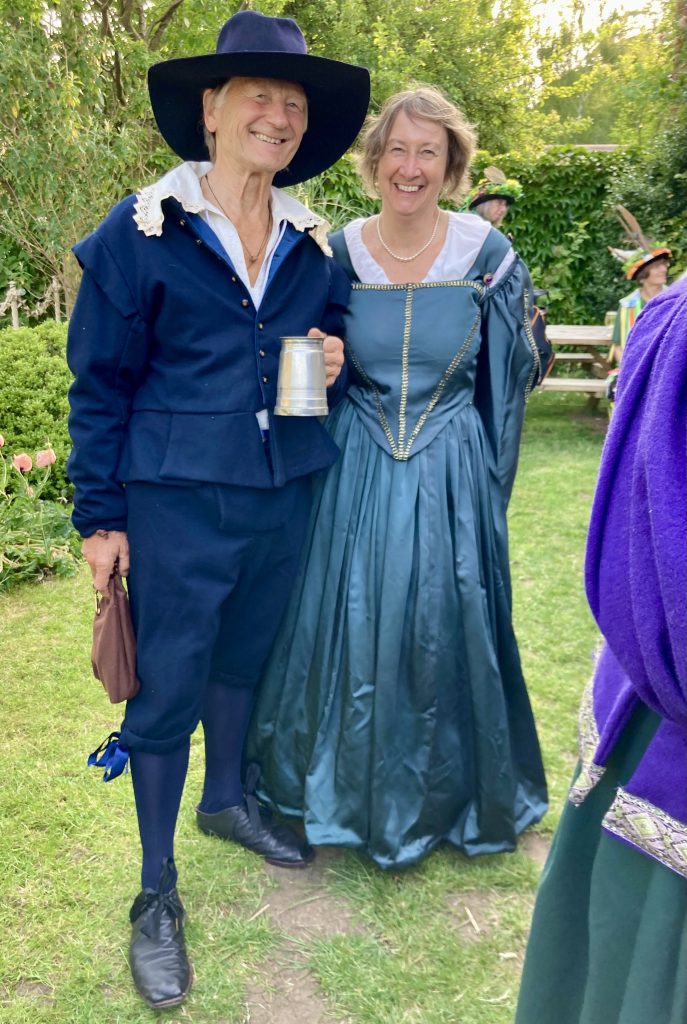
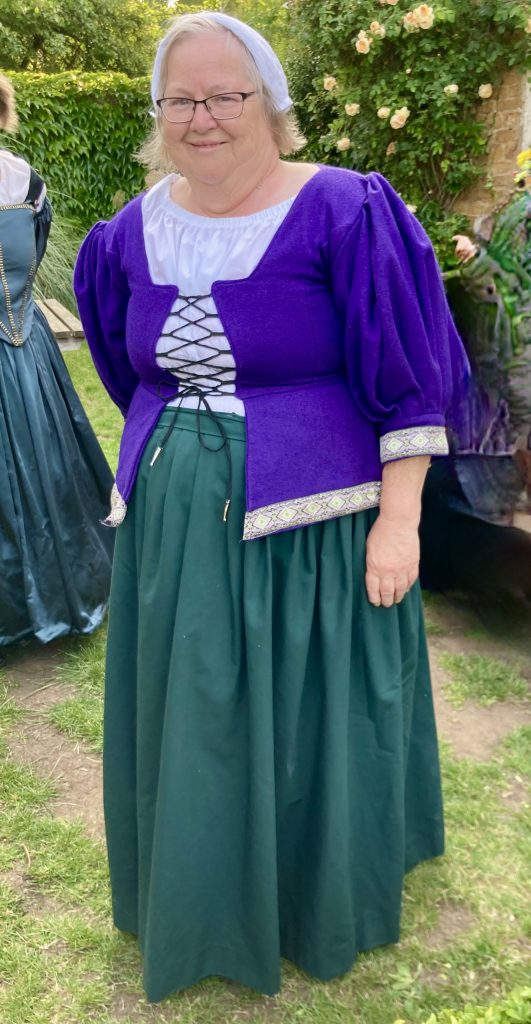
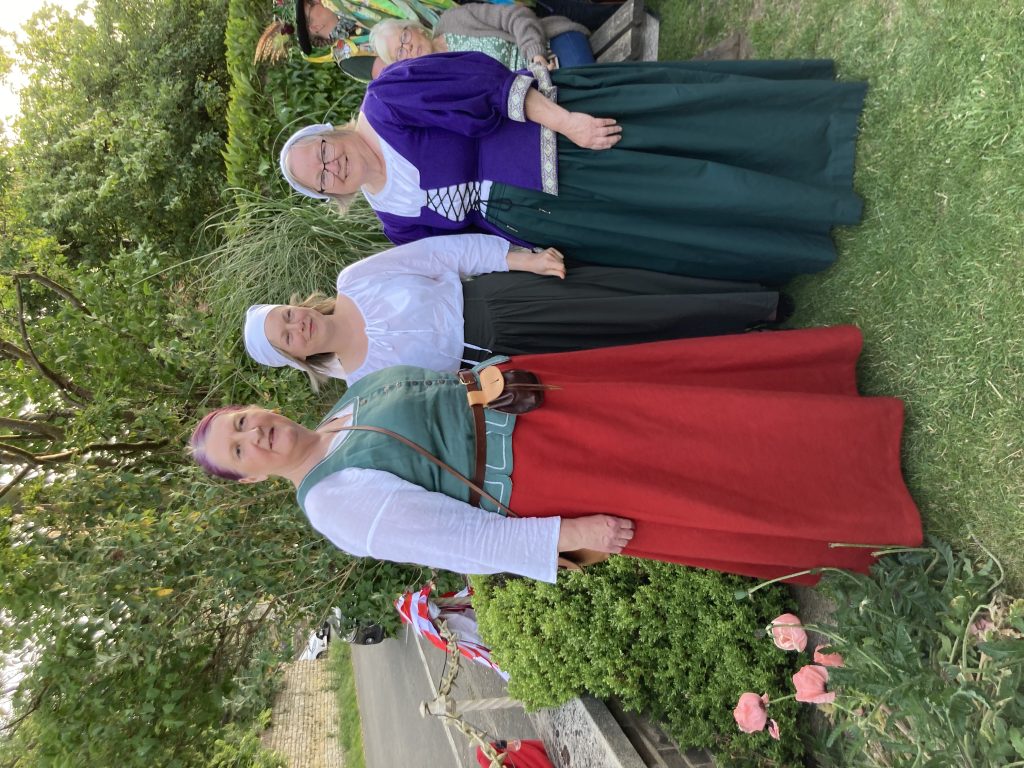
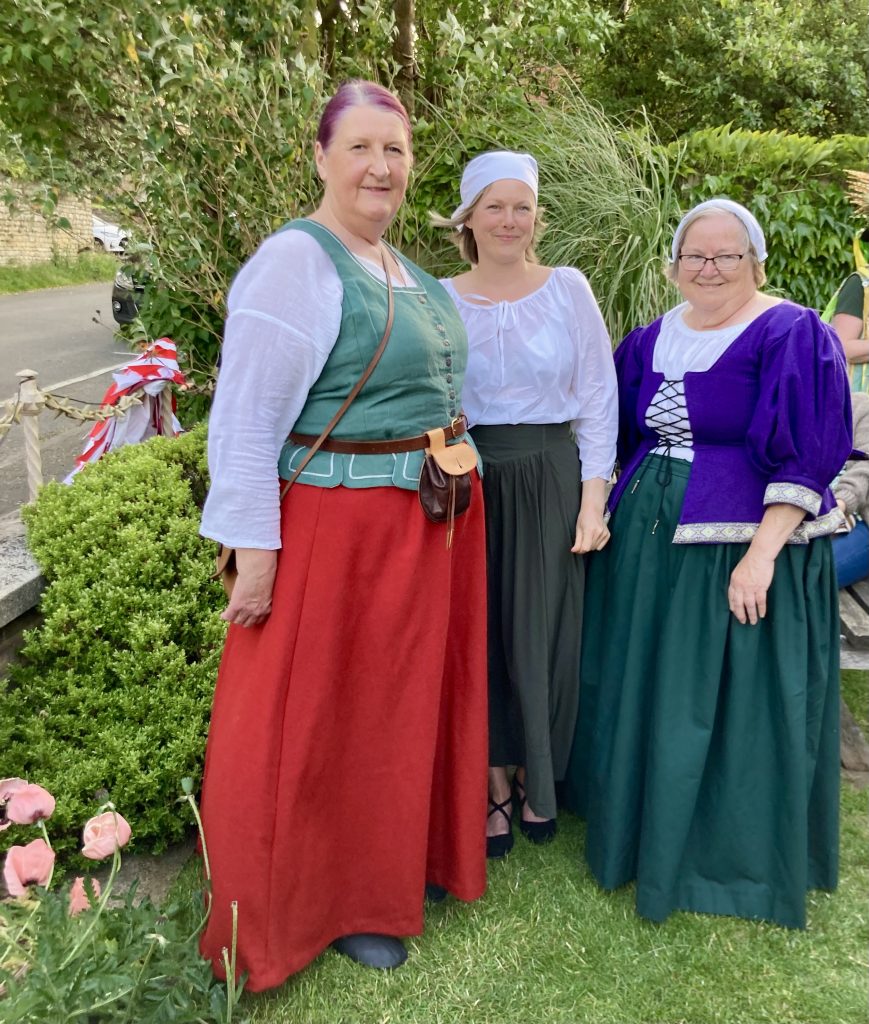
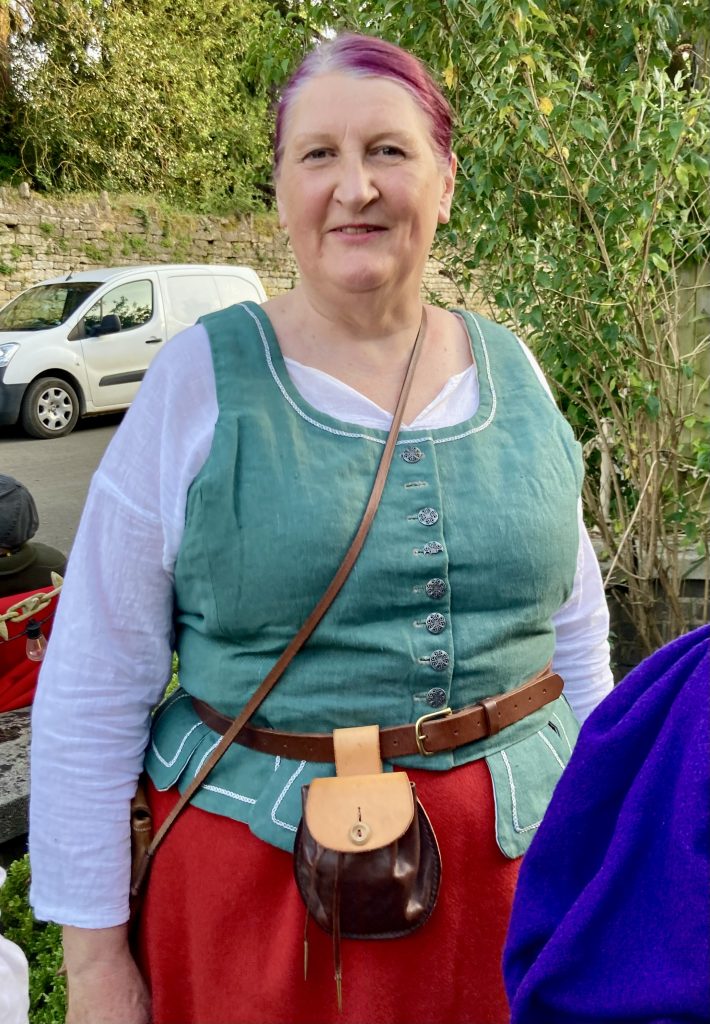
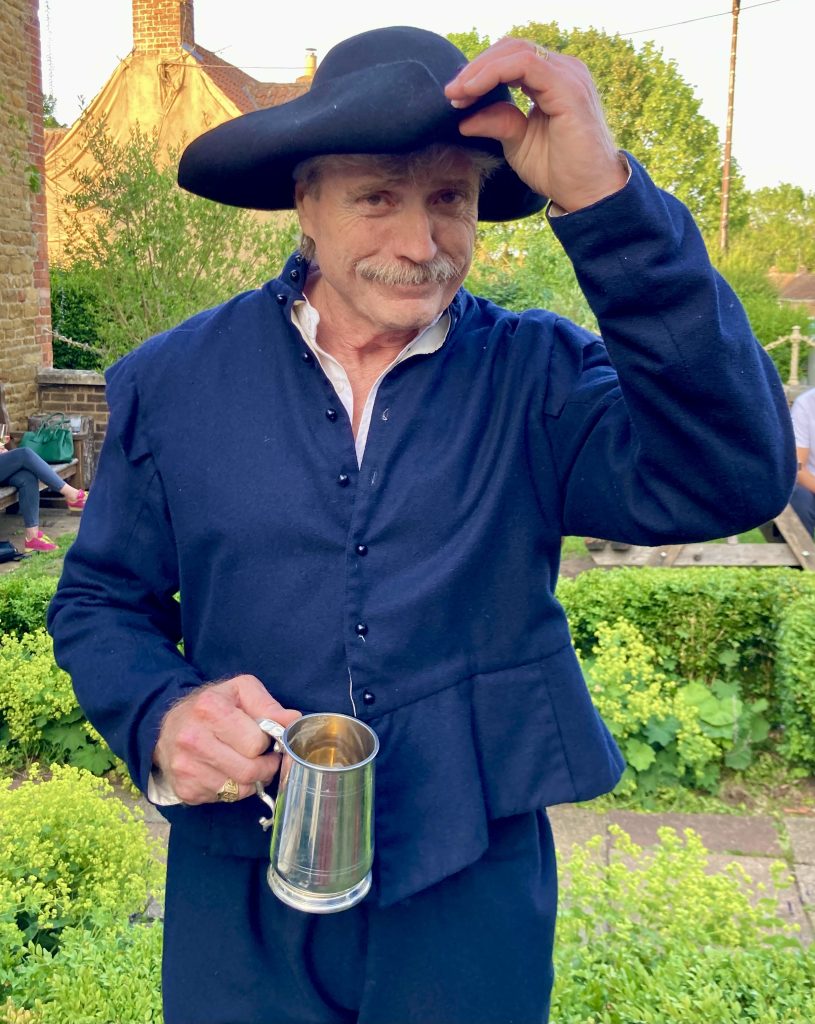
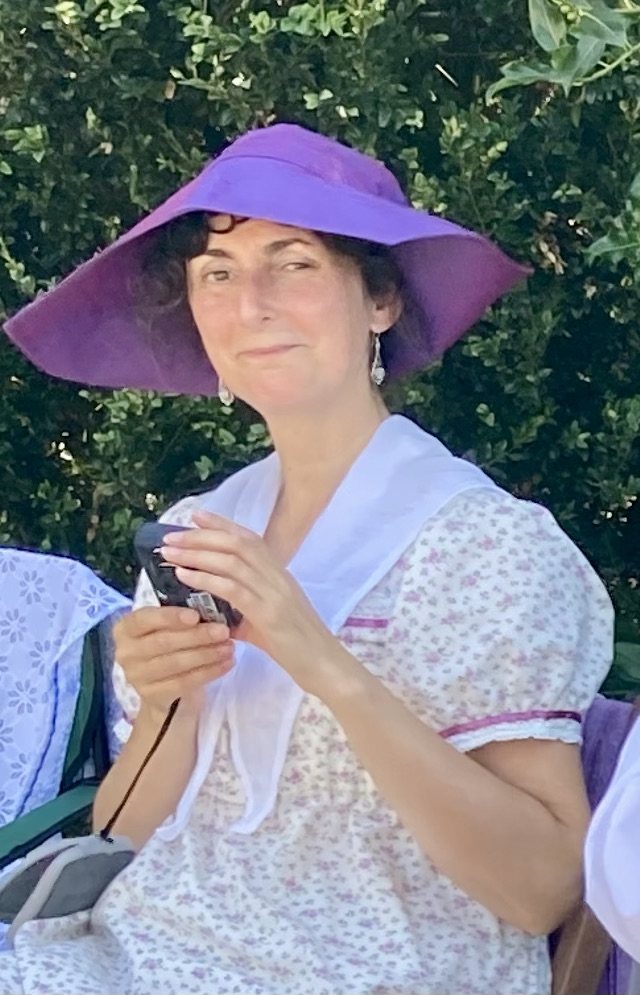
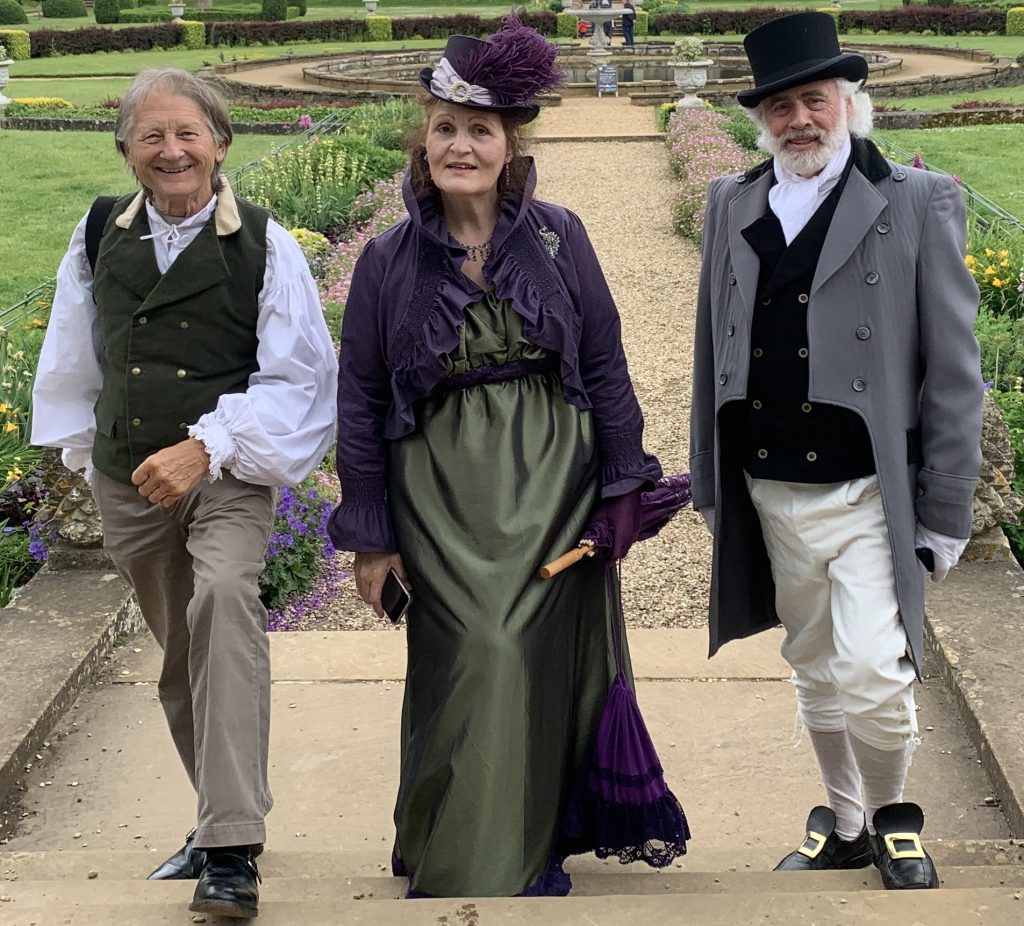
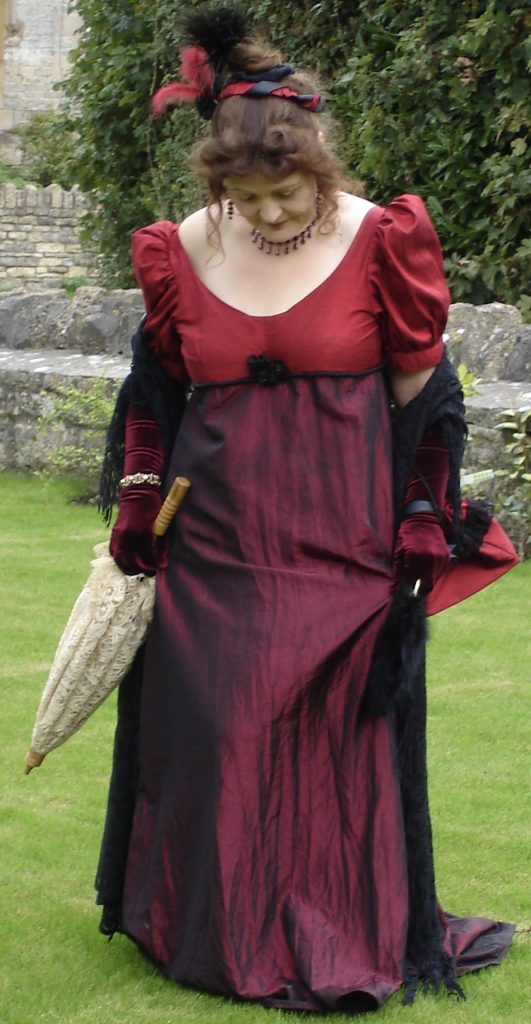
Rustic or peasant costumes are simpler and changed little from the 14th to the 17th Centuries. They are designed for practicality and comfort to enable manual labour. Here are some examples of our costumes, which we will be delighted to wear and/or exhibit when we are booked for a performance and/or presentation.
Medieval Costumes: 13th-14th Centuries
Worn whilst performing Caroles, Farandoles & Estampies
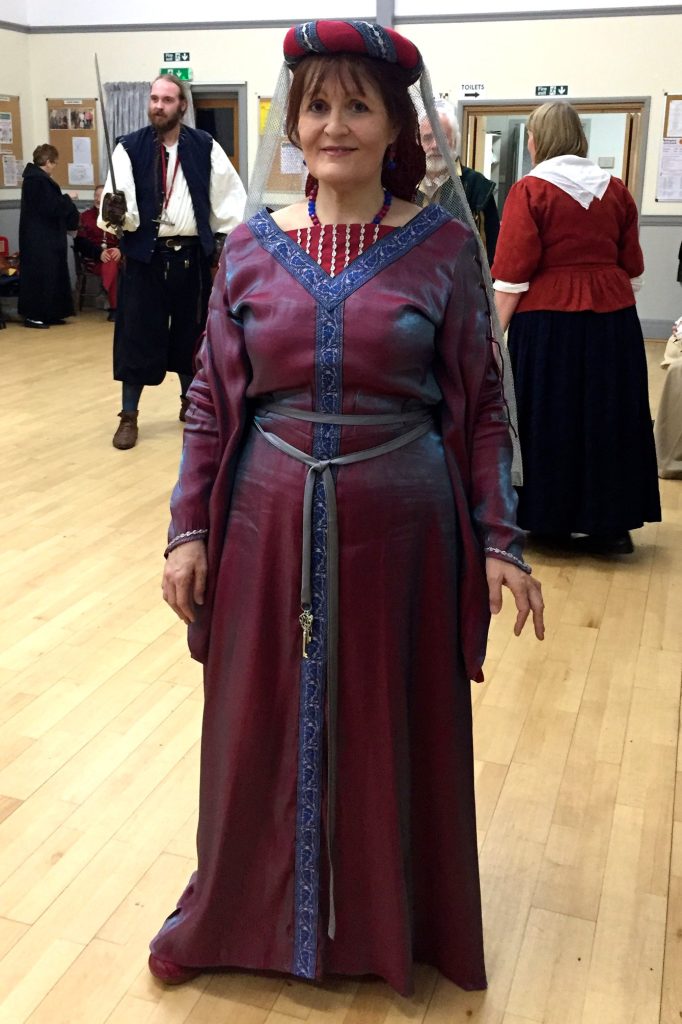
Italian Renaissance & Burgundian Costumes: 15th Century
Worn whilst performing Basses Danses; ballo, saltarello & piva.
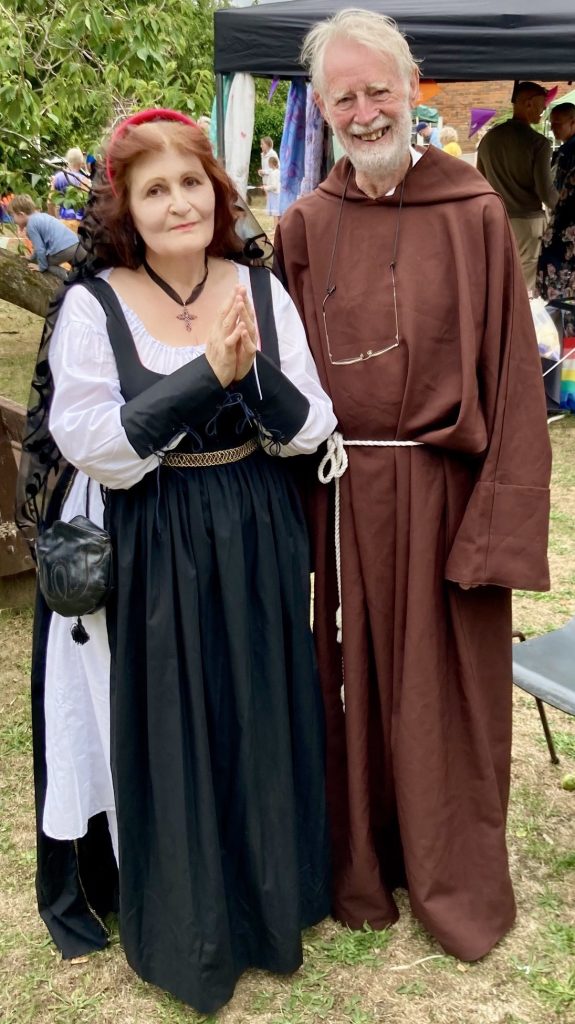
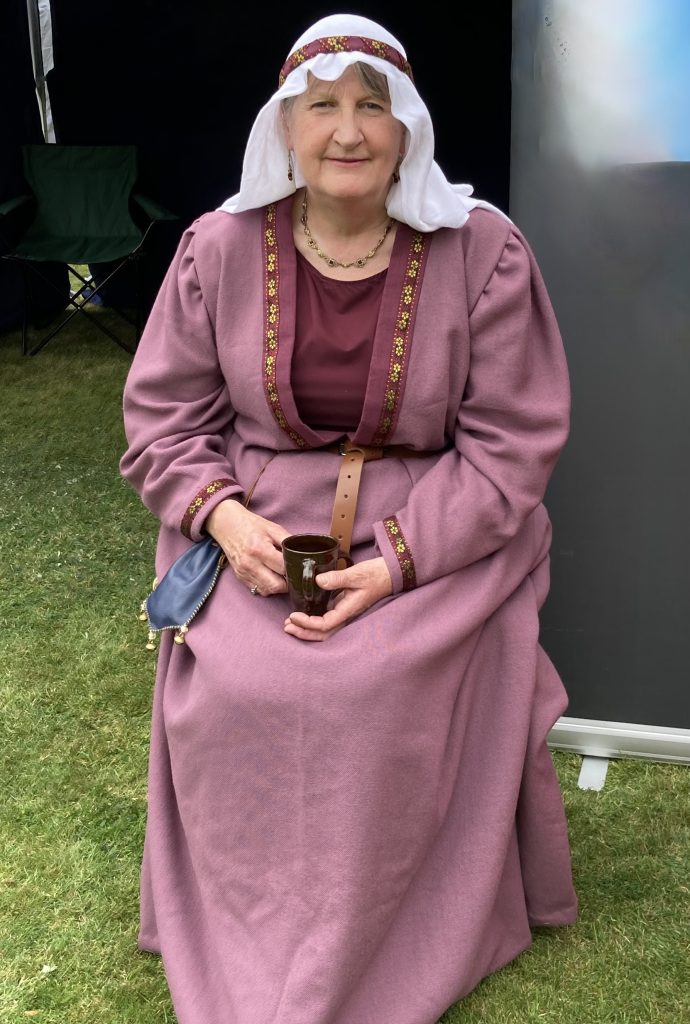
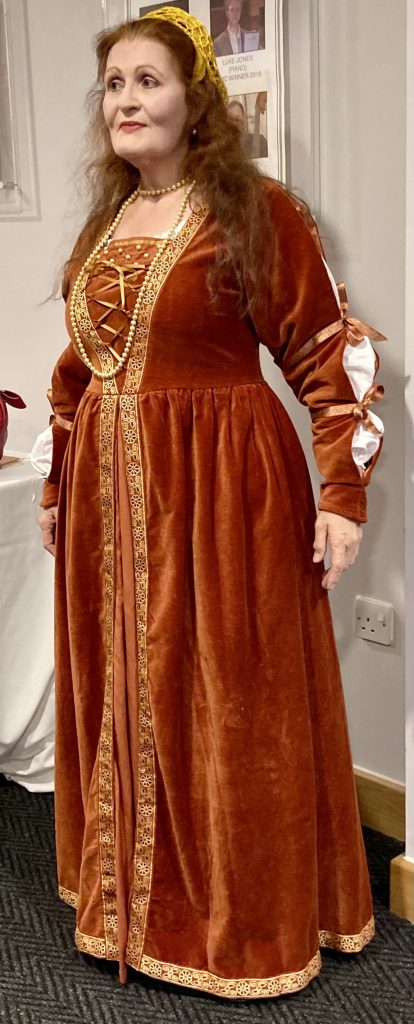
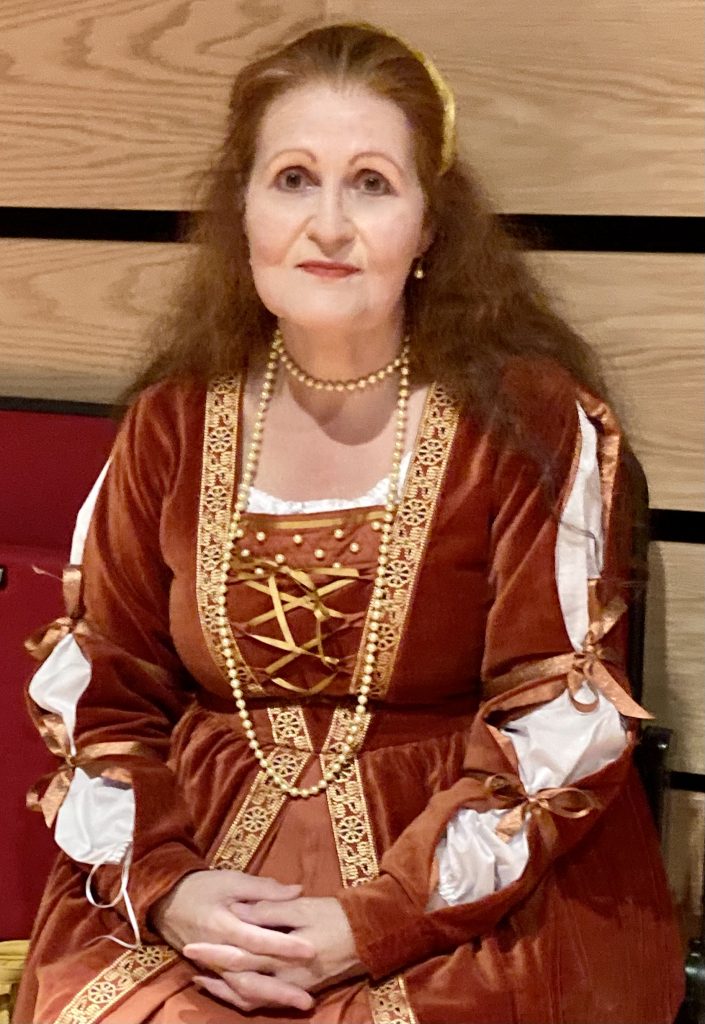
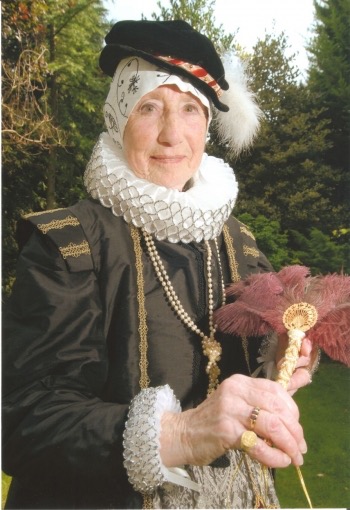
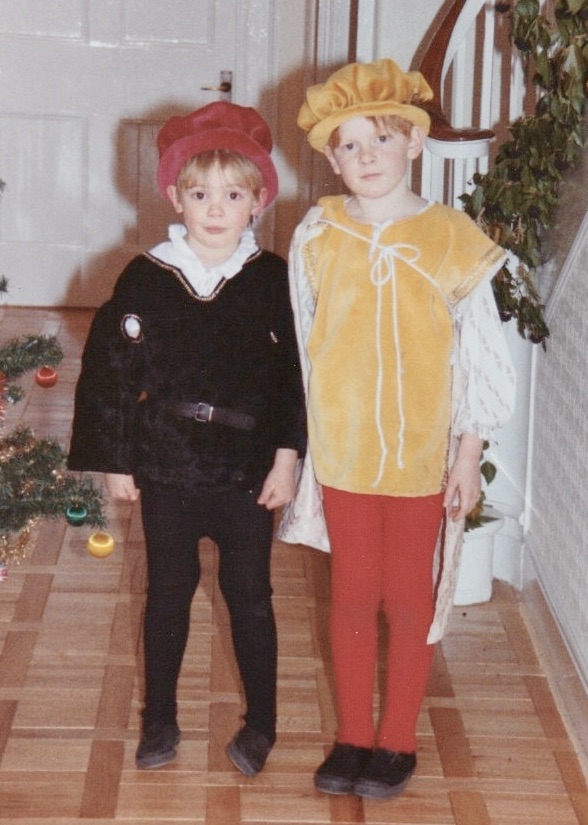
Tudor Costumes: 16th Century
Worn whilst performing Almains, Branles, Canaries, Corantos, Galliards, Pavans & Voltas.
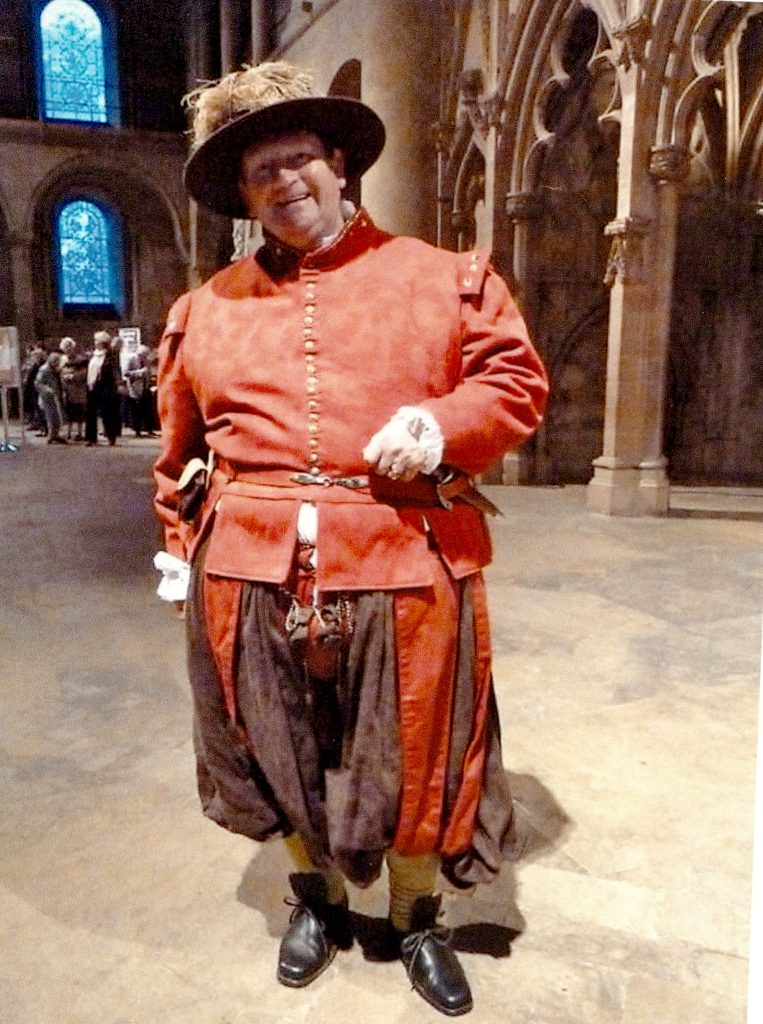
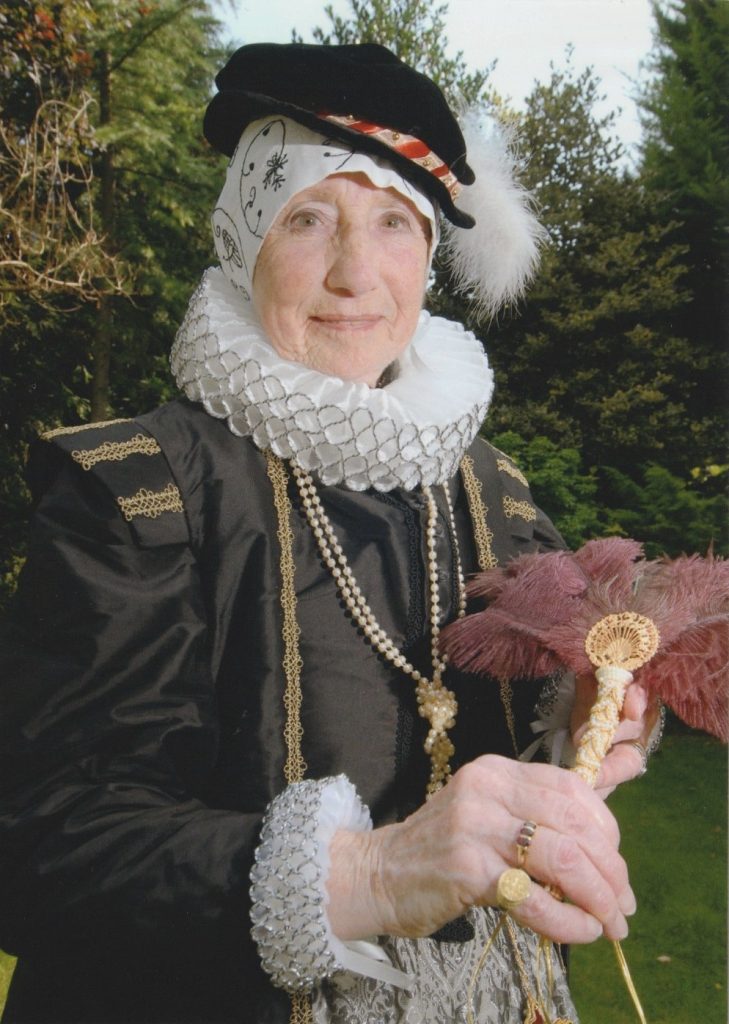
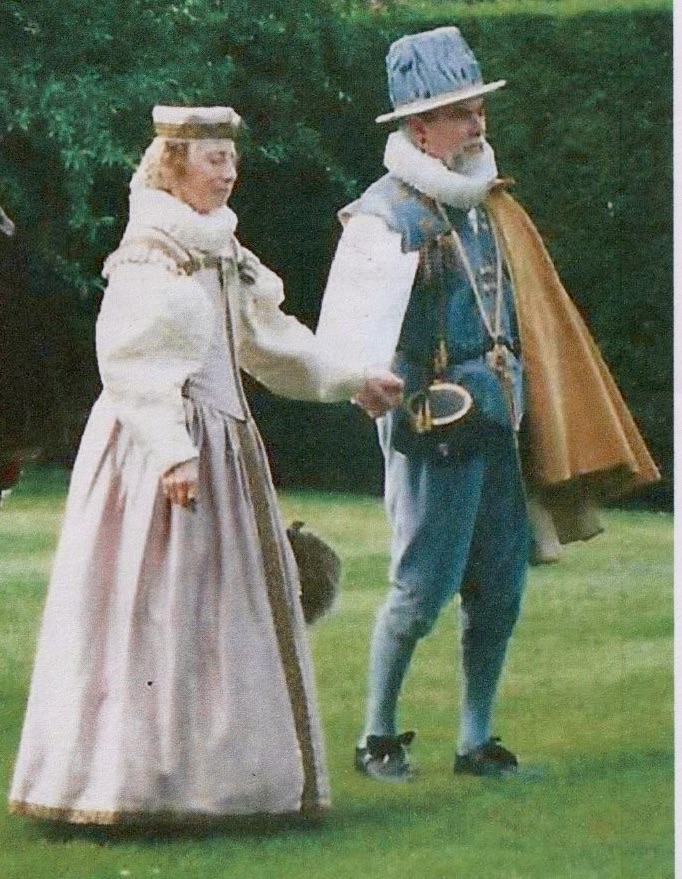
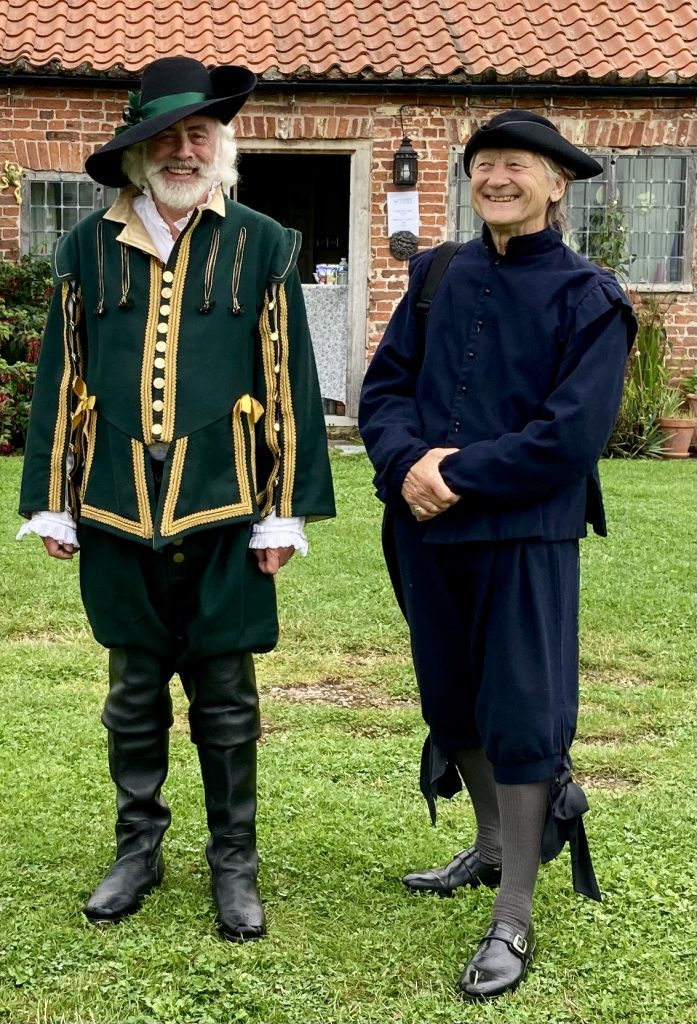
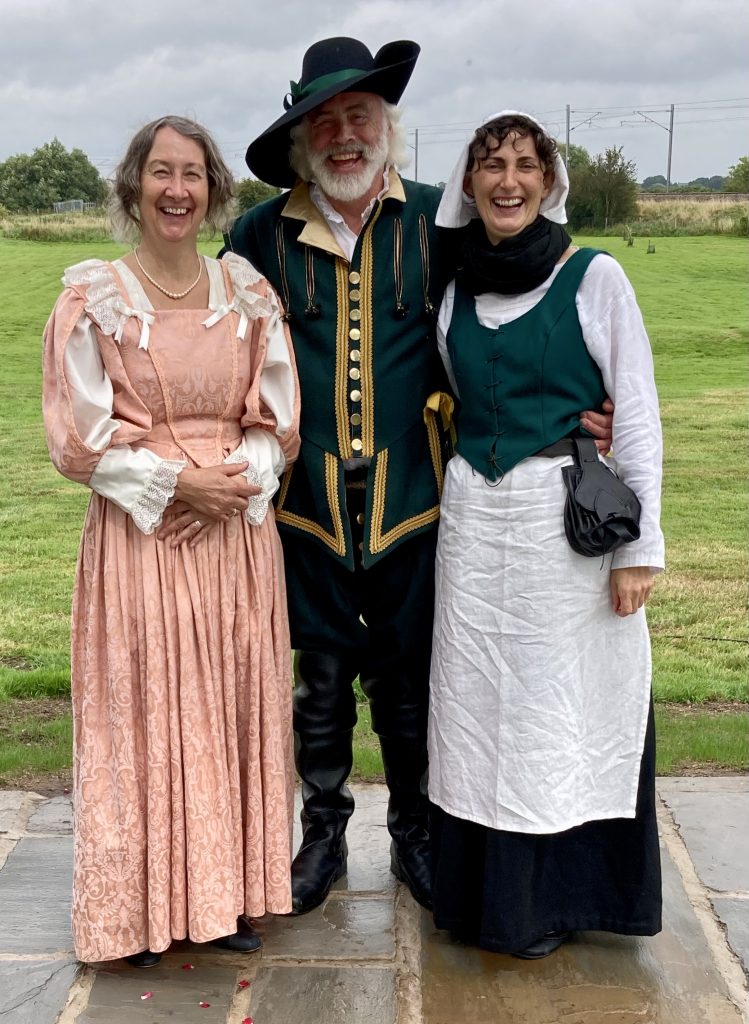
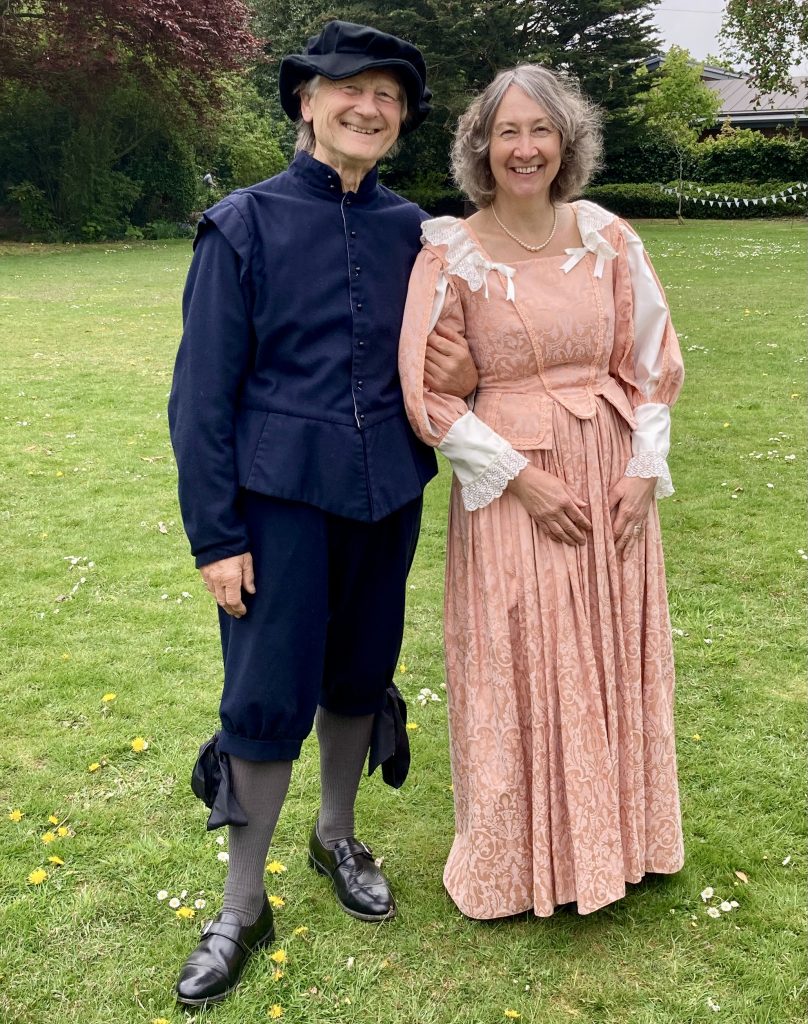
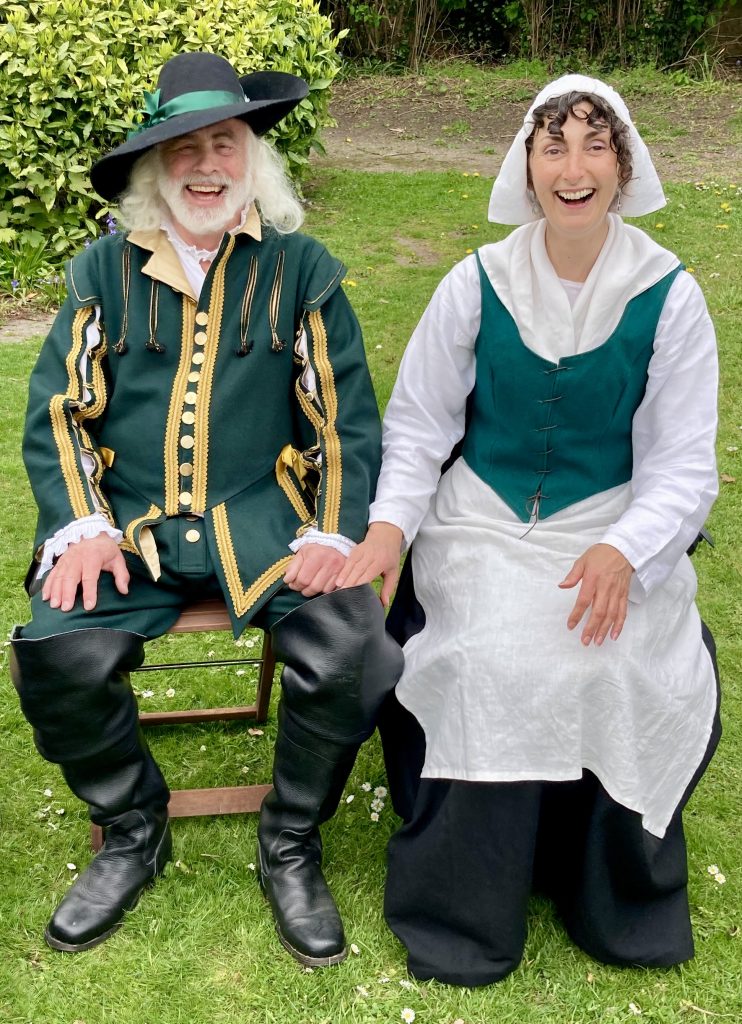
Stuart Costumes: 17th Century
Worn whilst performing Branles, Corrantos, Galliards, Masques, Pavans & Playford Country Dances.

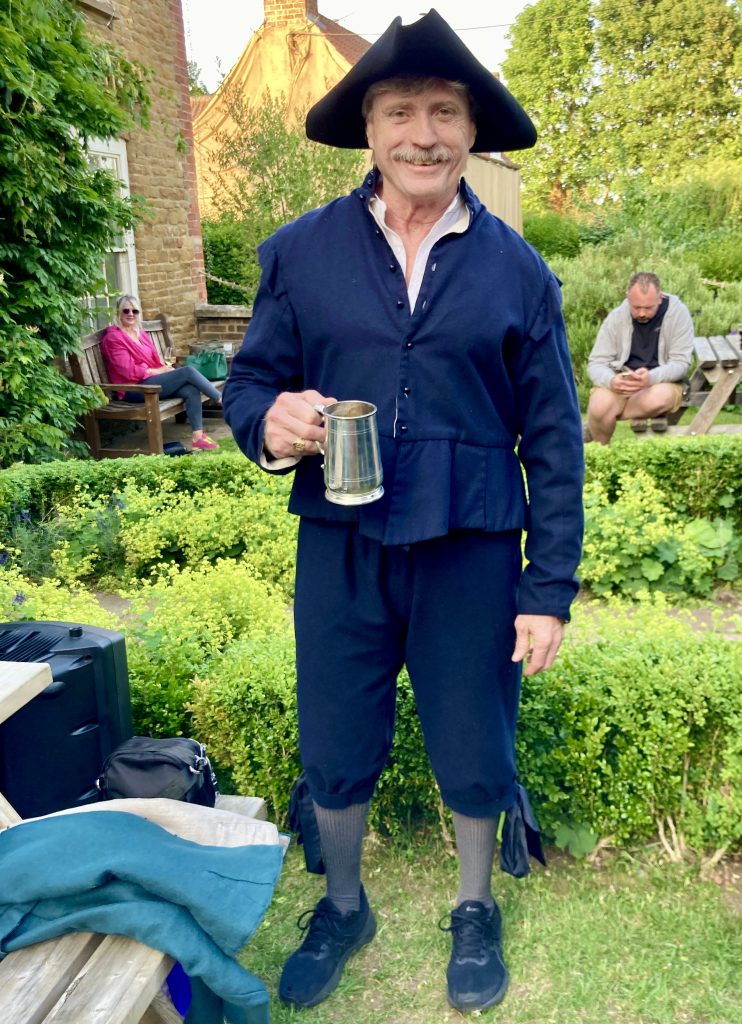
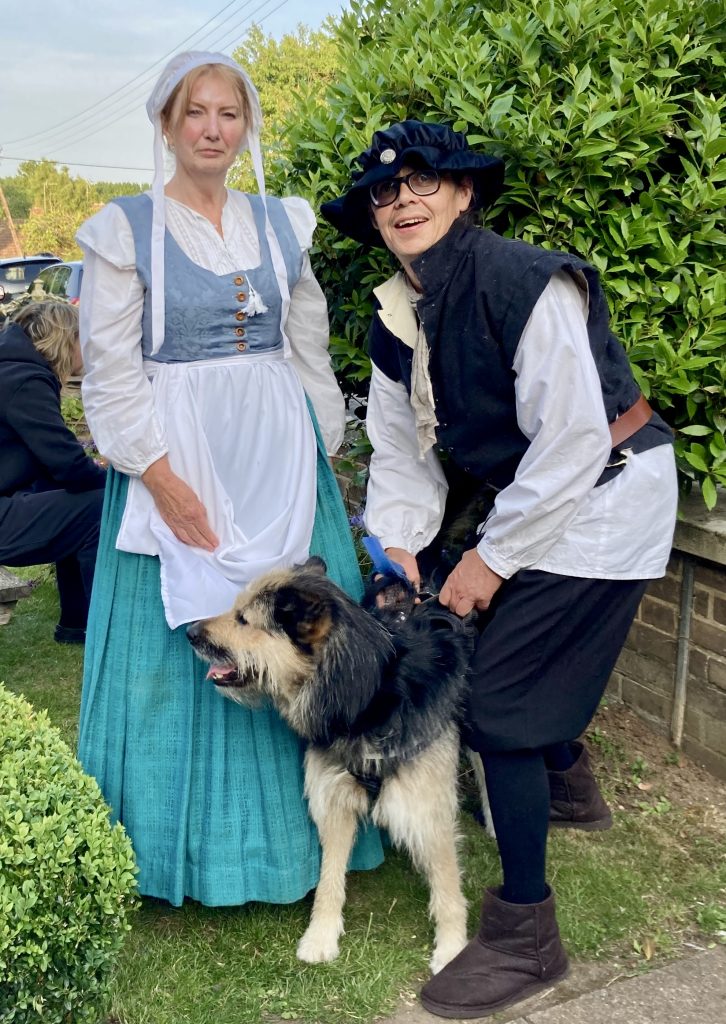
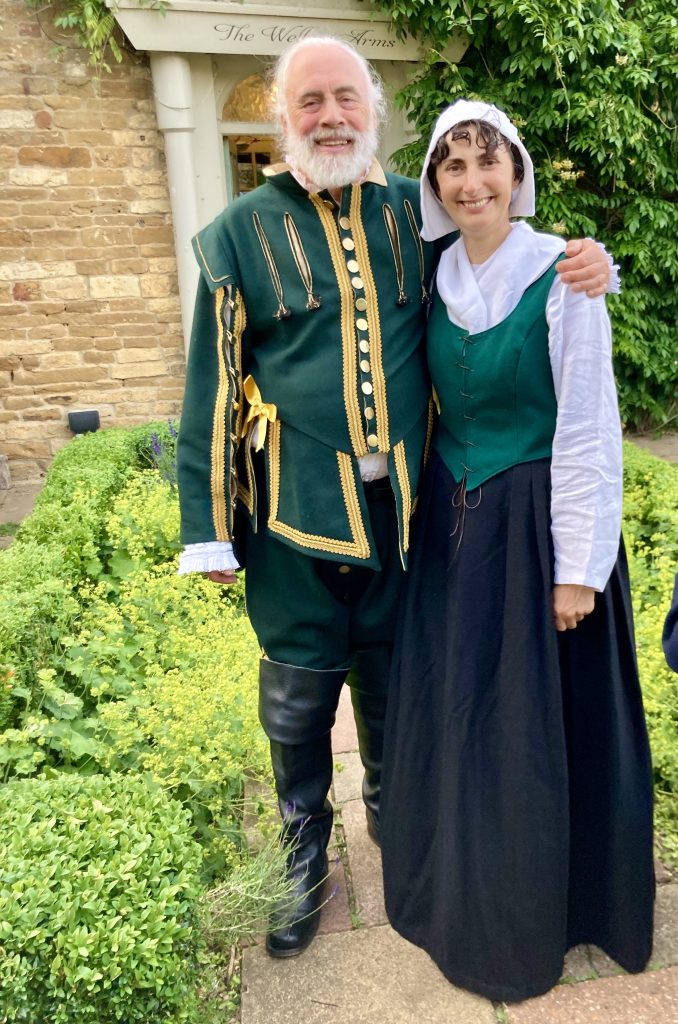
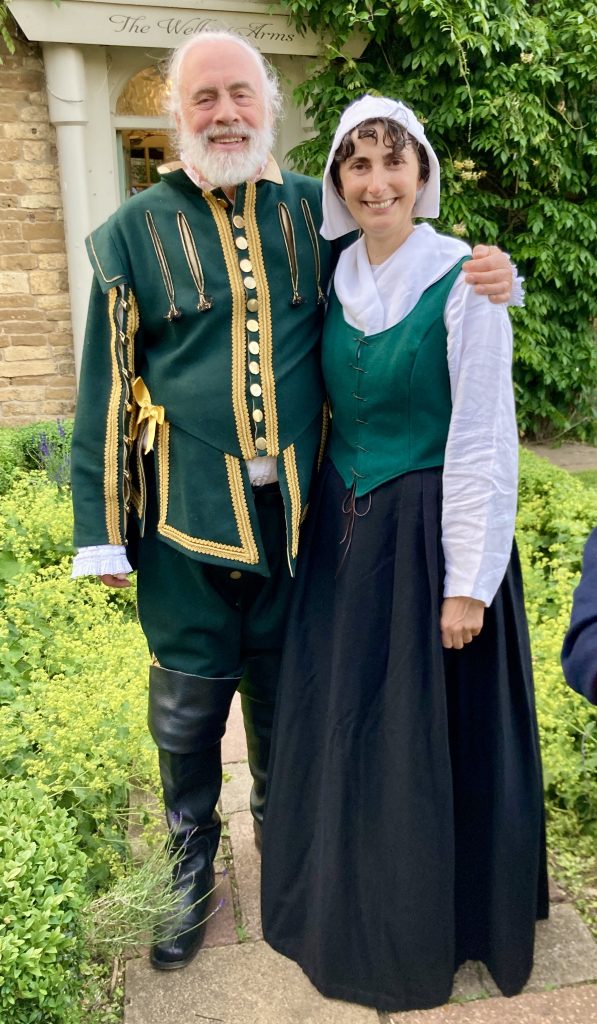
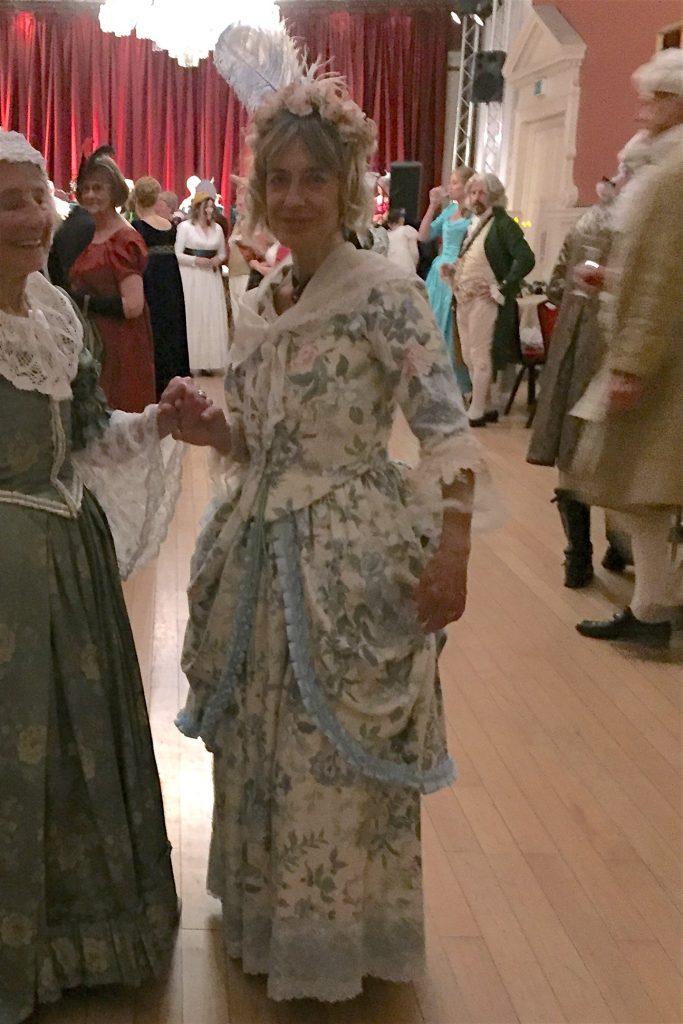
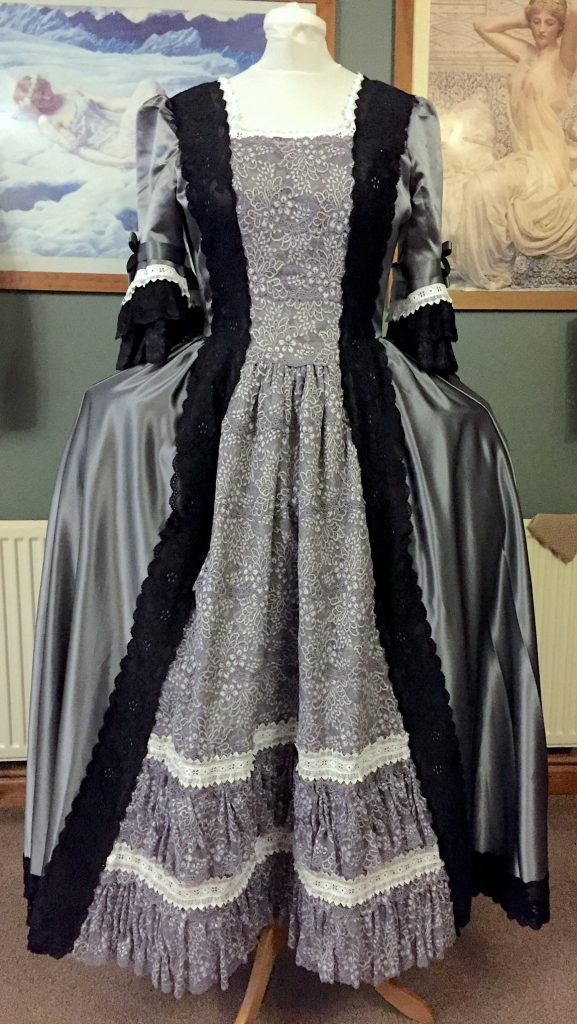
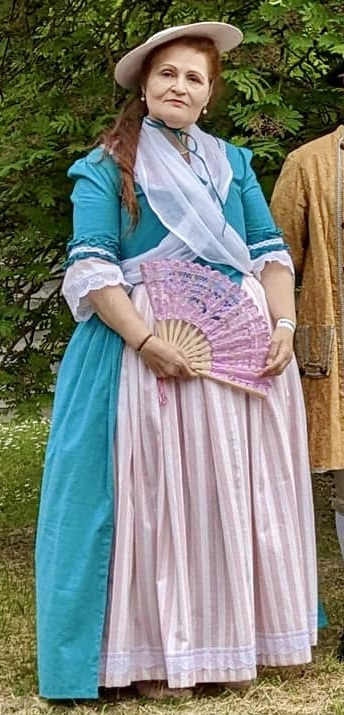
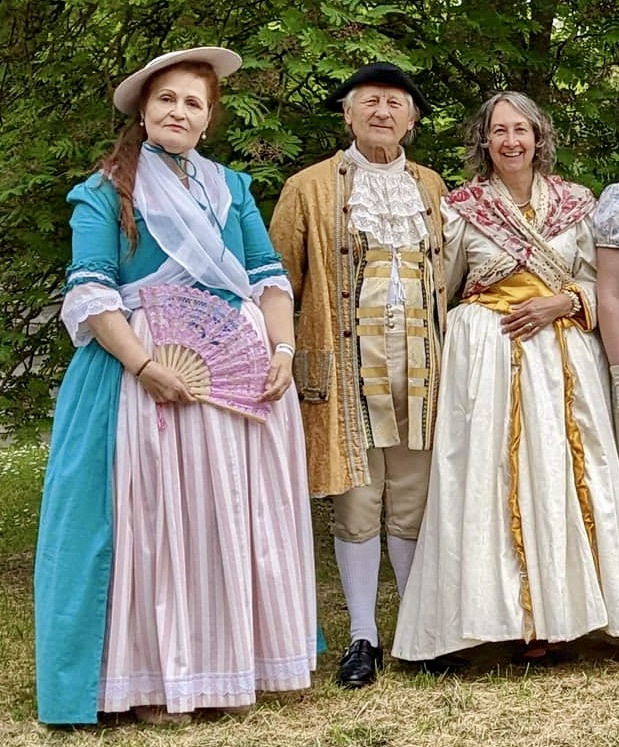
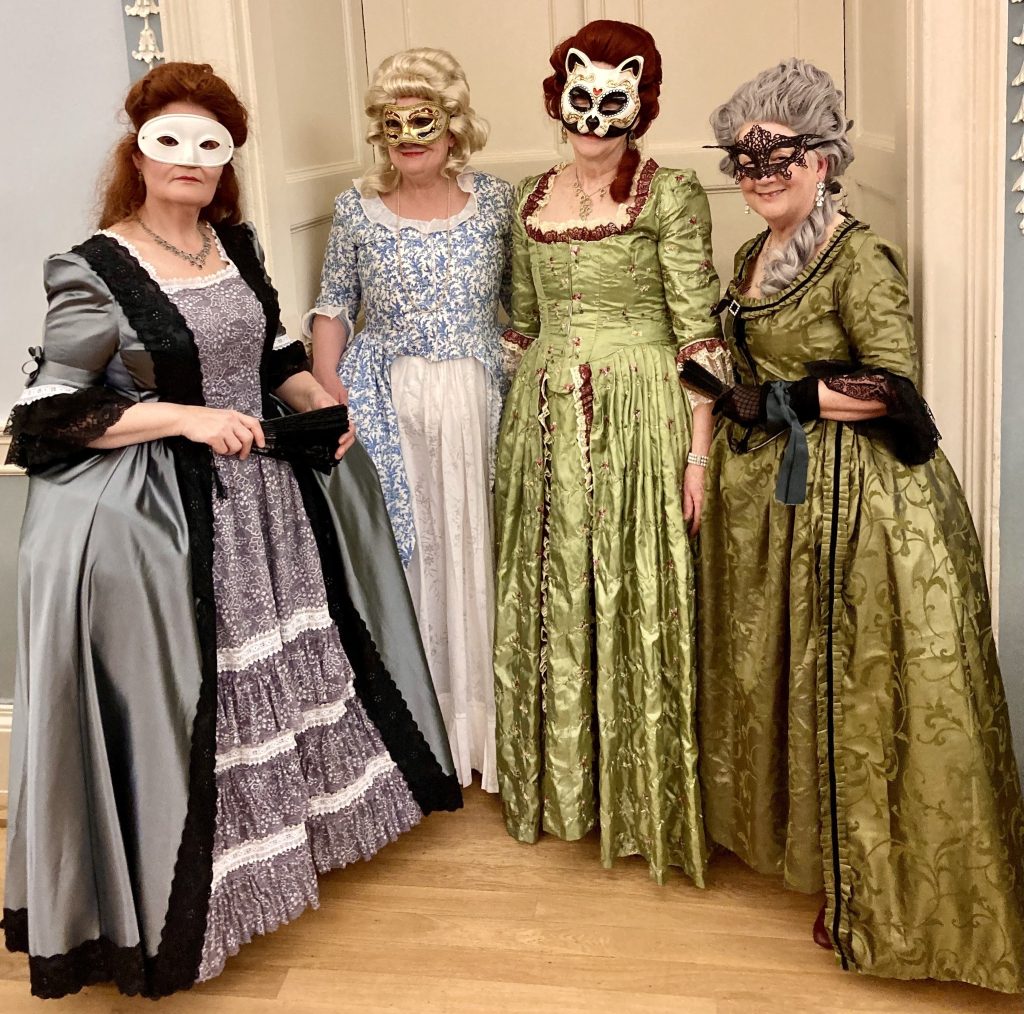
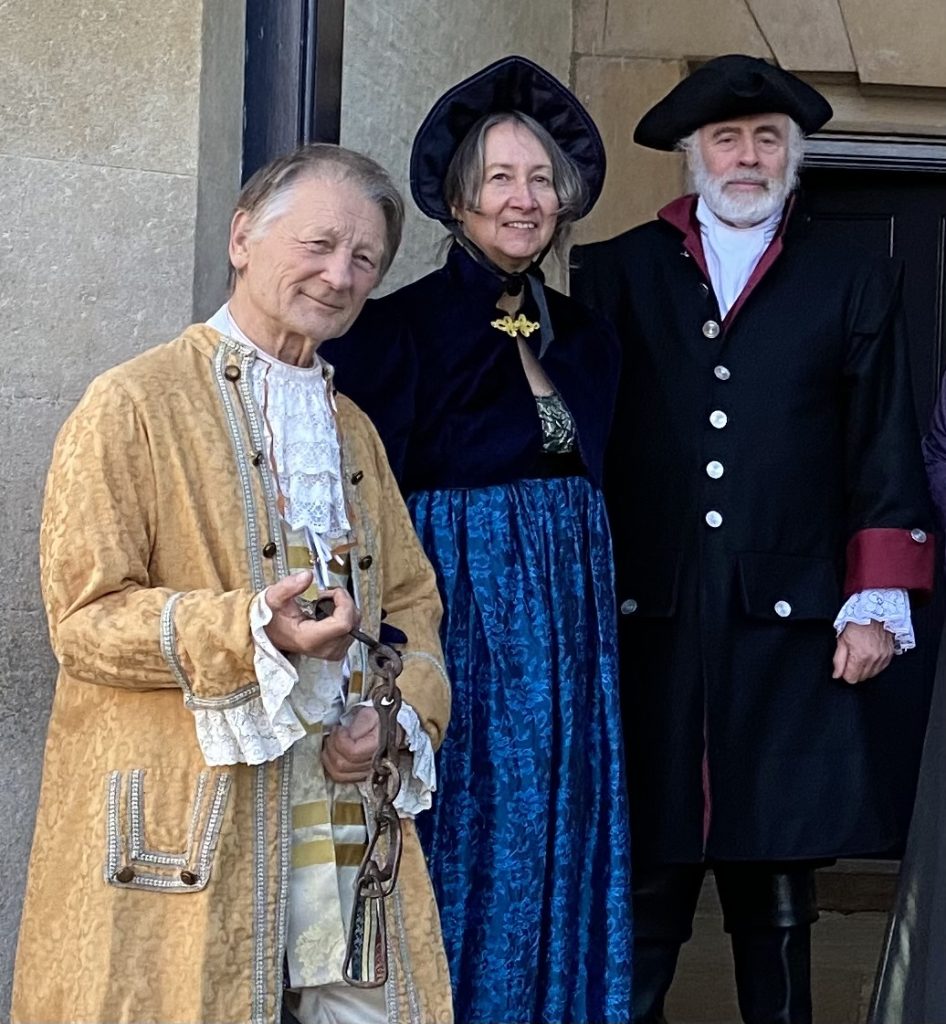
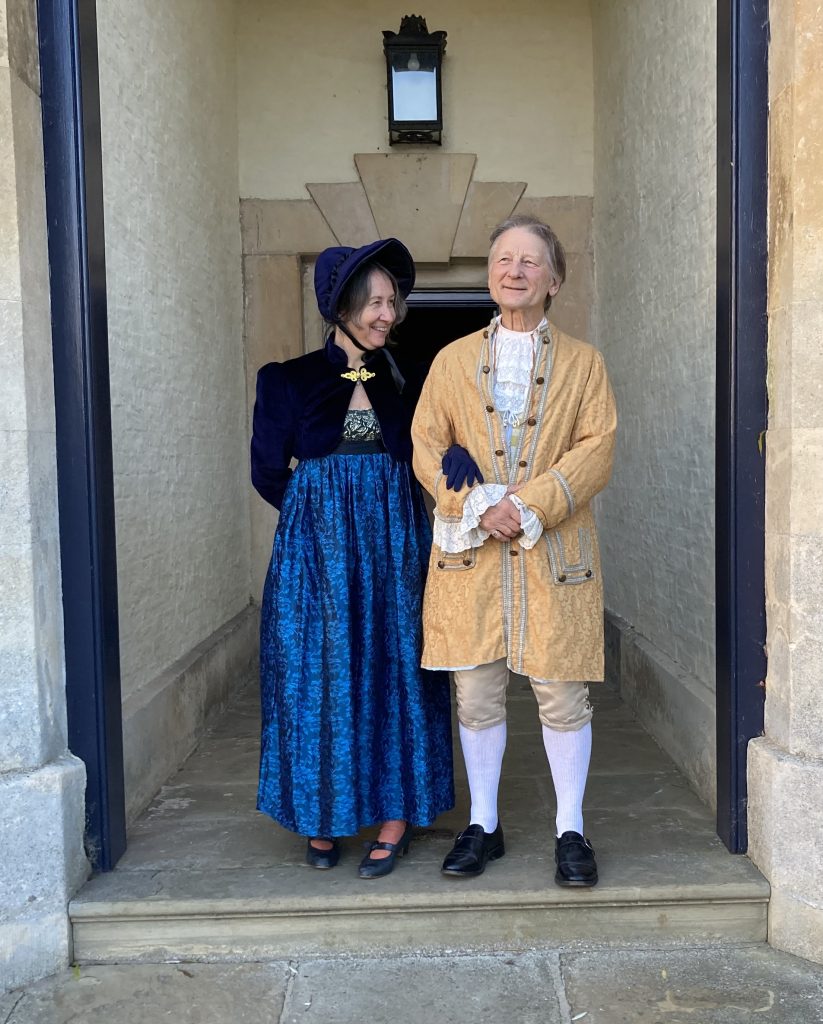
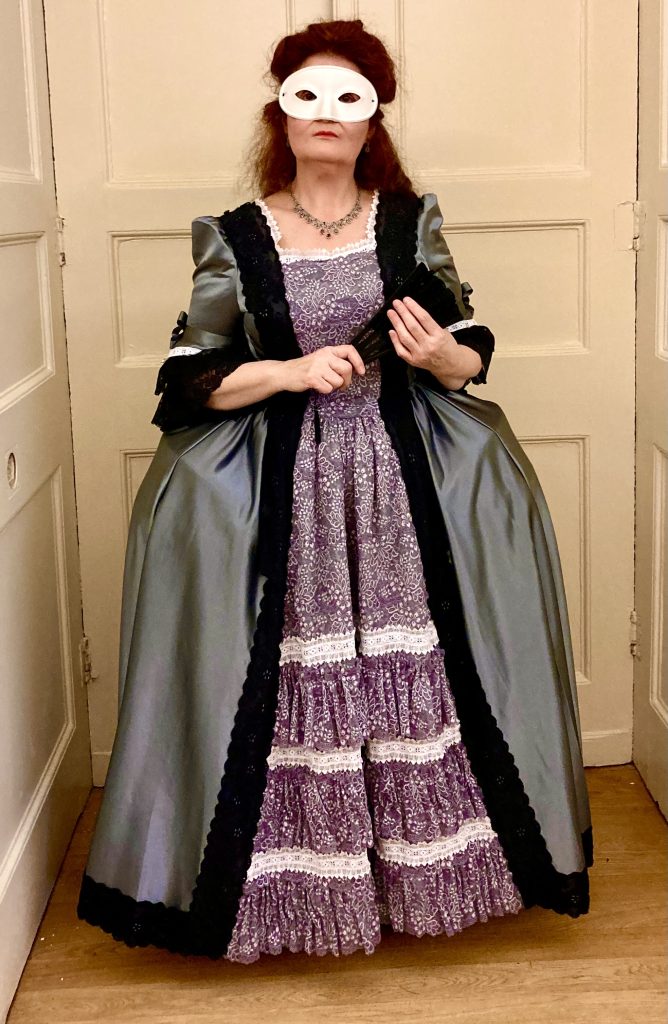
Georgian Costumes: 18th Century
Worn whilst performing Baroque dance; the minuet, the canarie, the rigaudon, the allemande & cotillion.
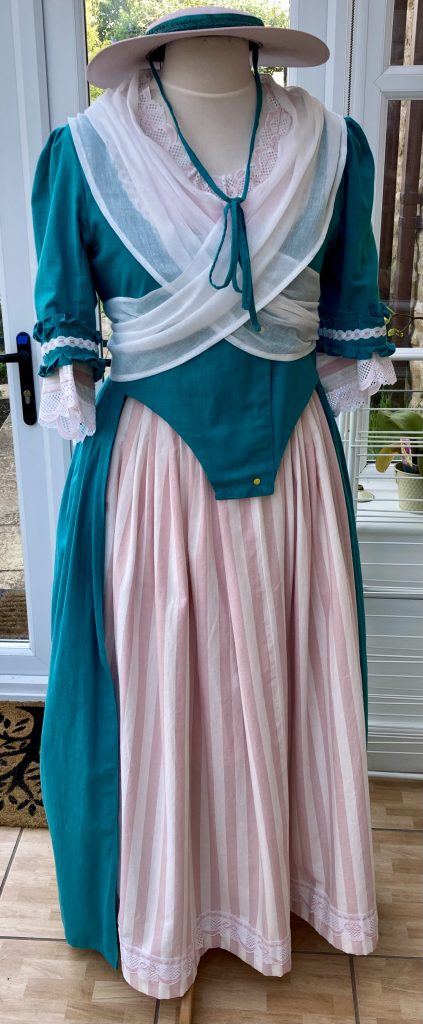
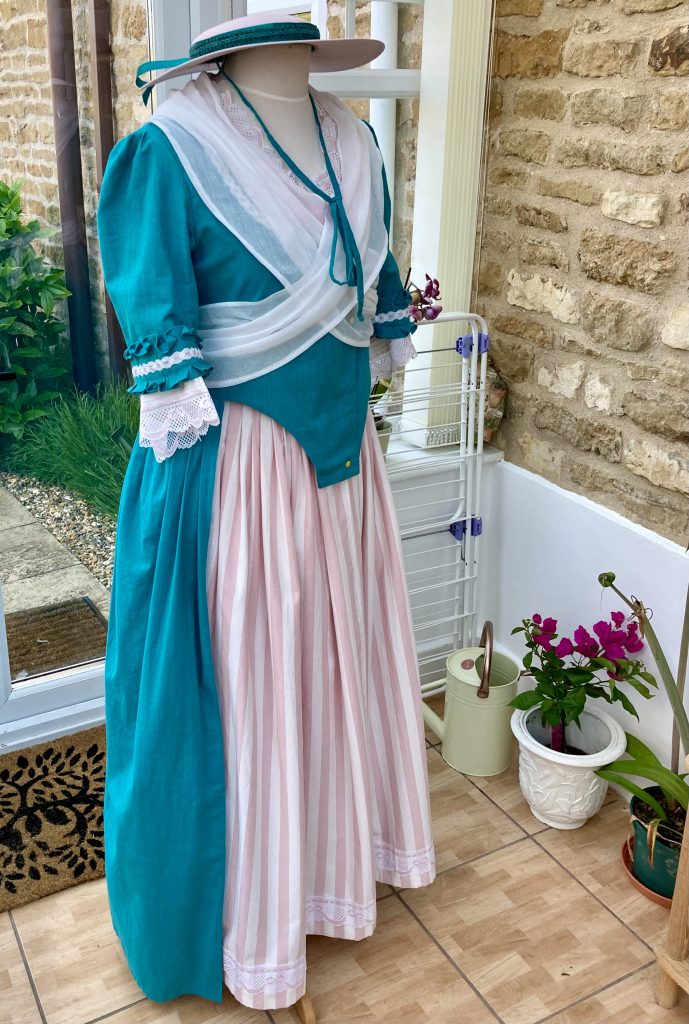
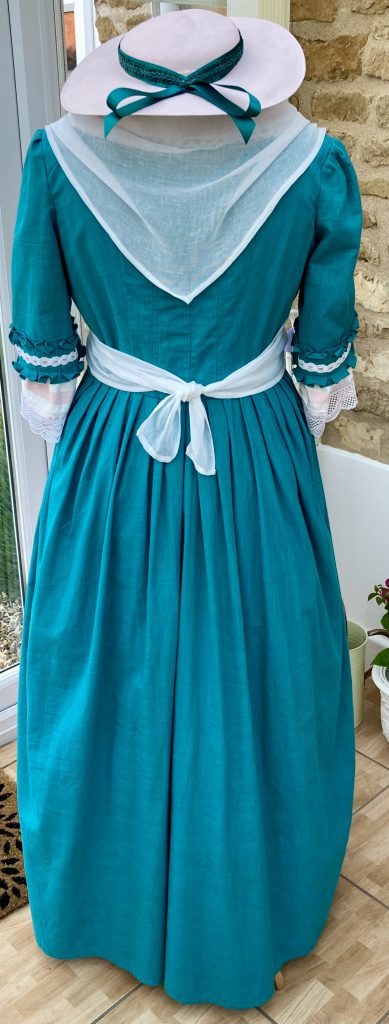
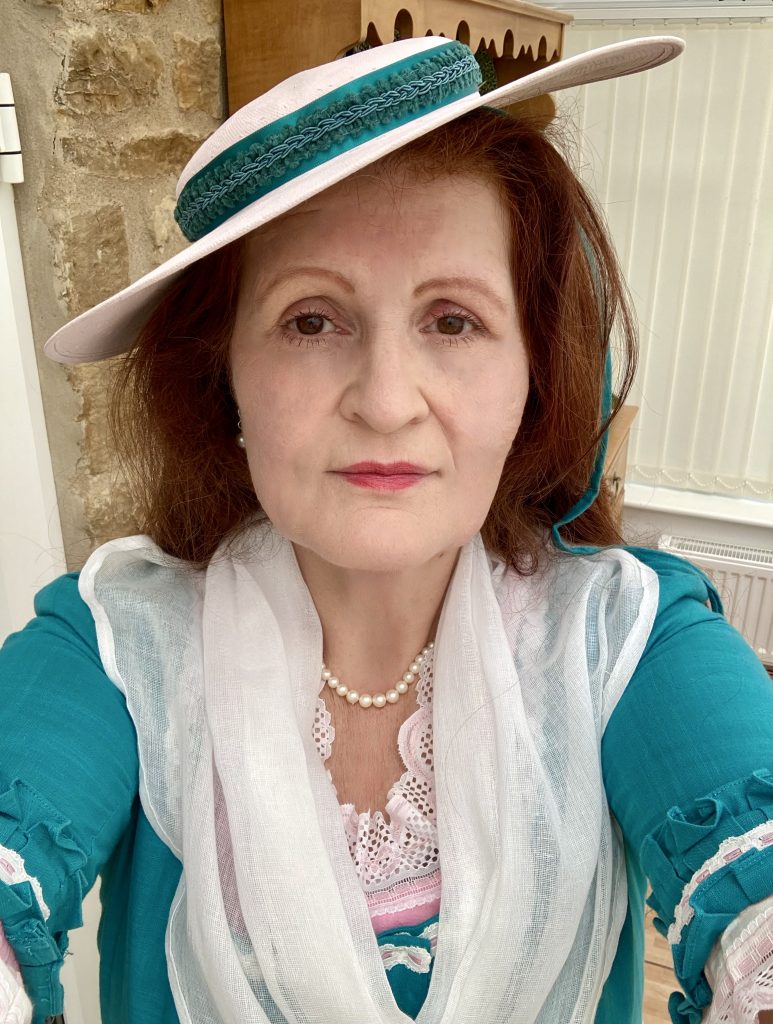
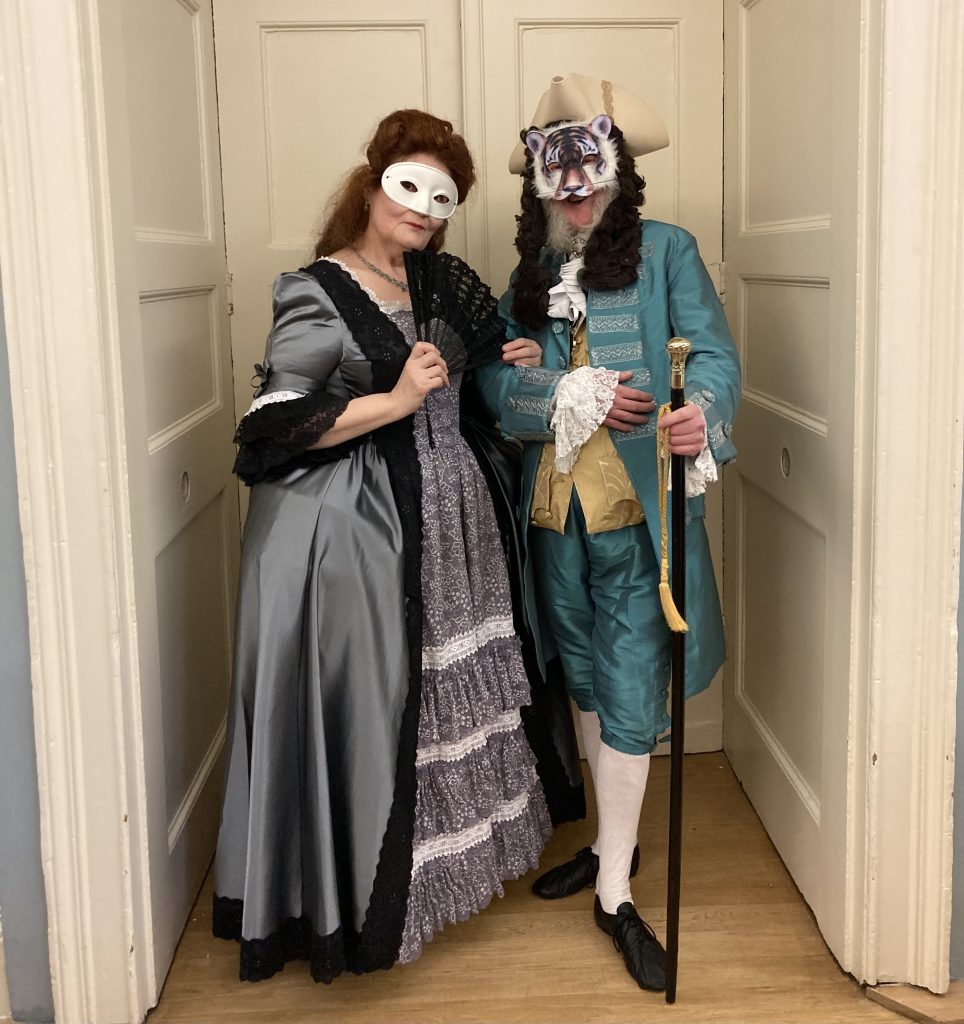
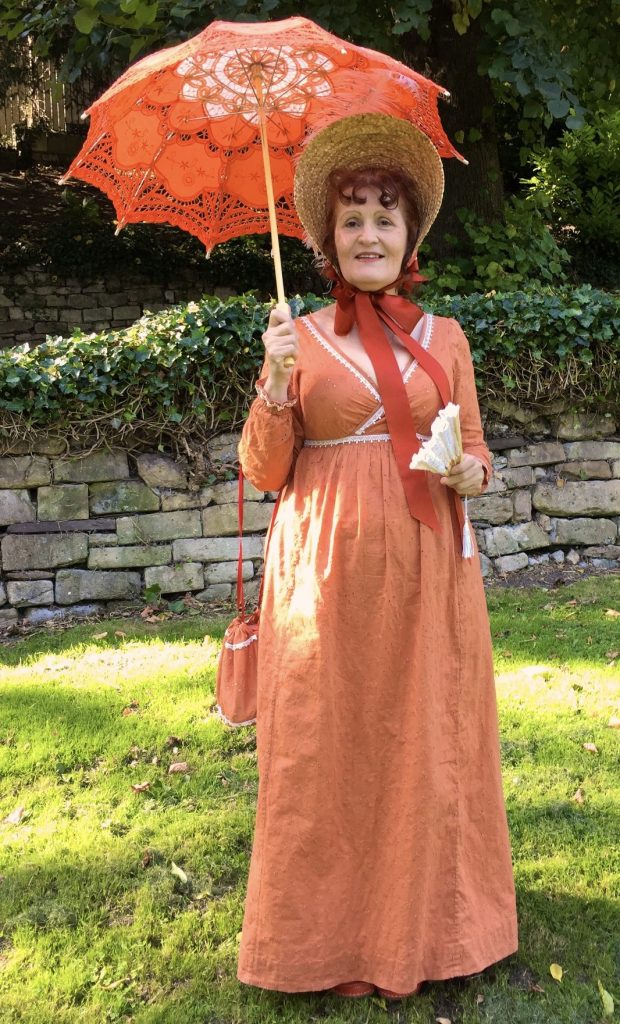
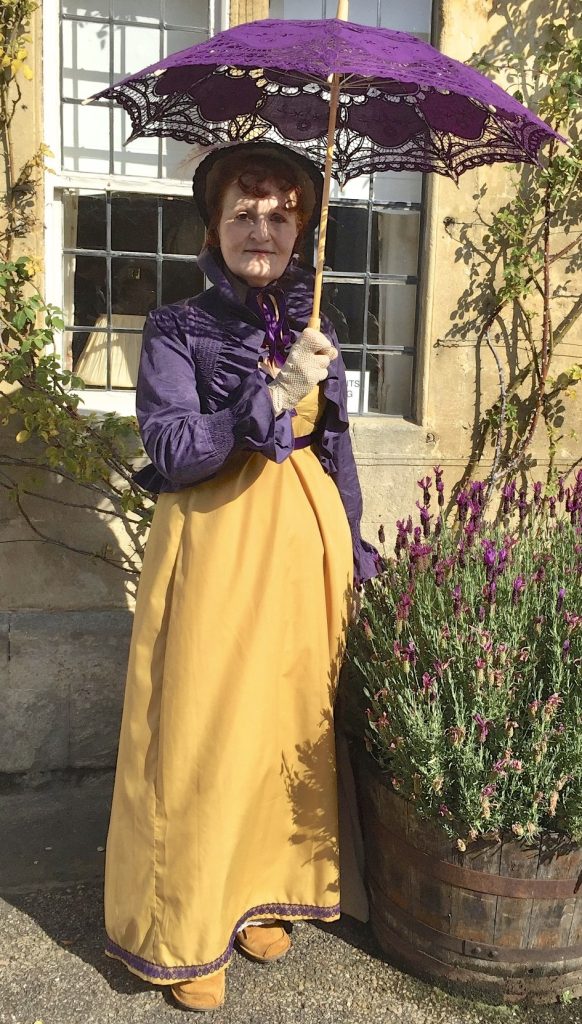
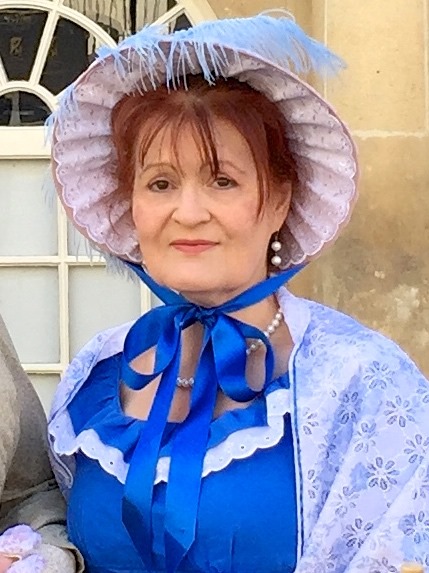
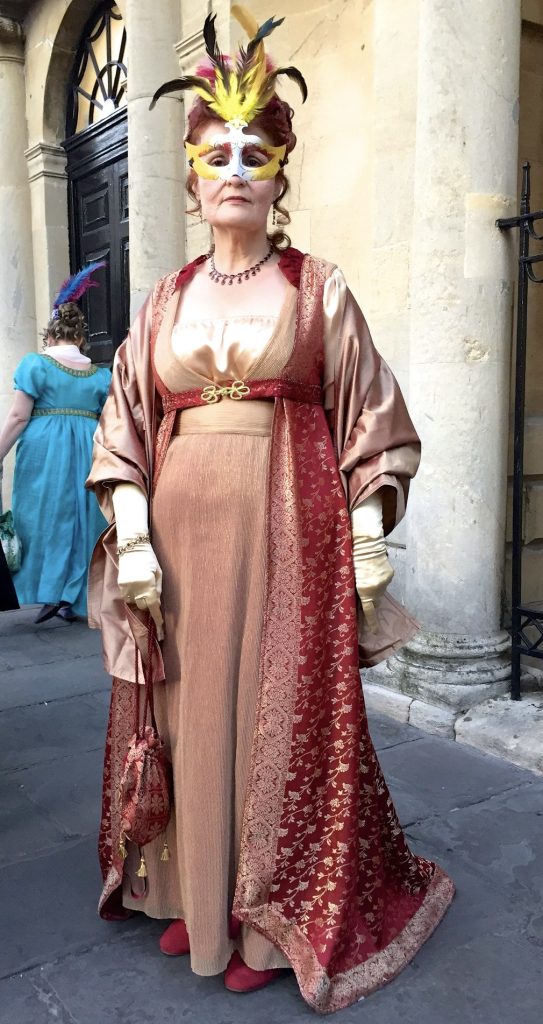
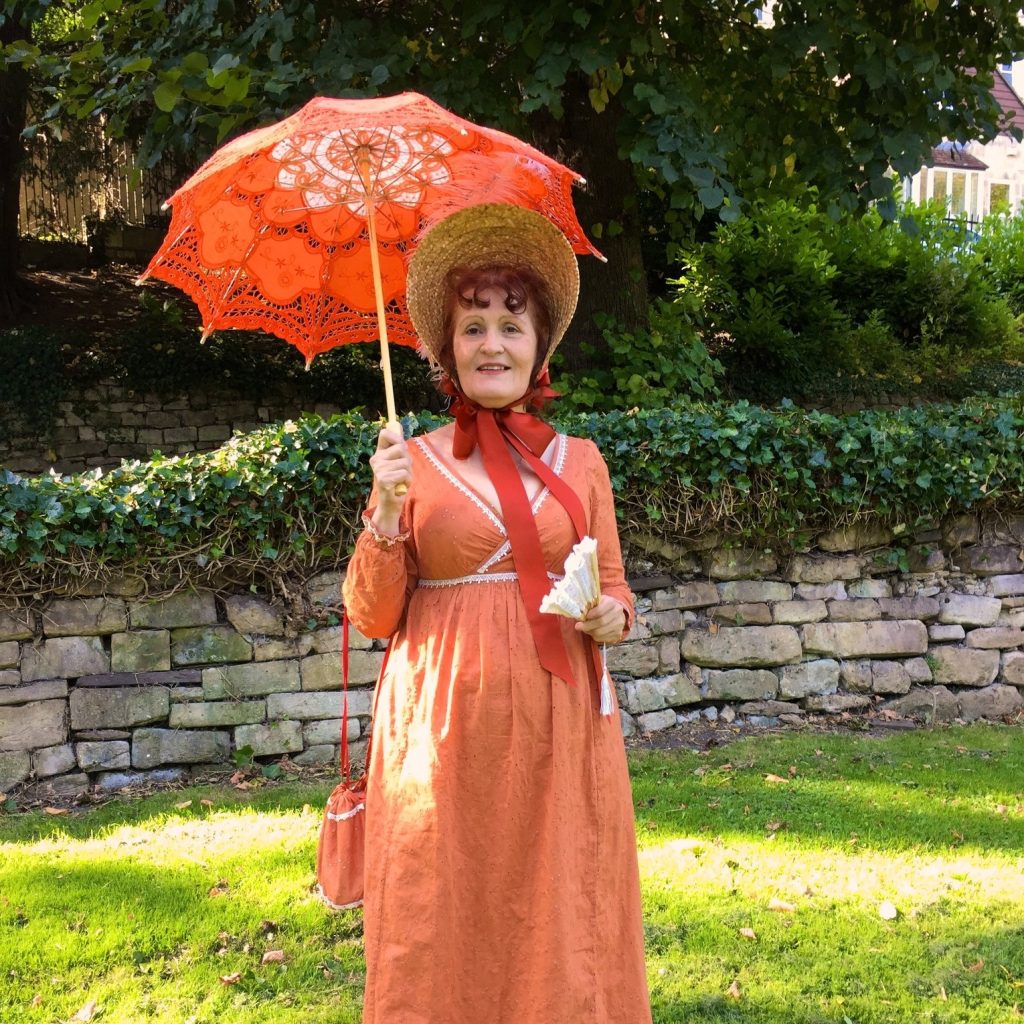
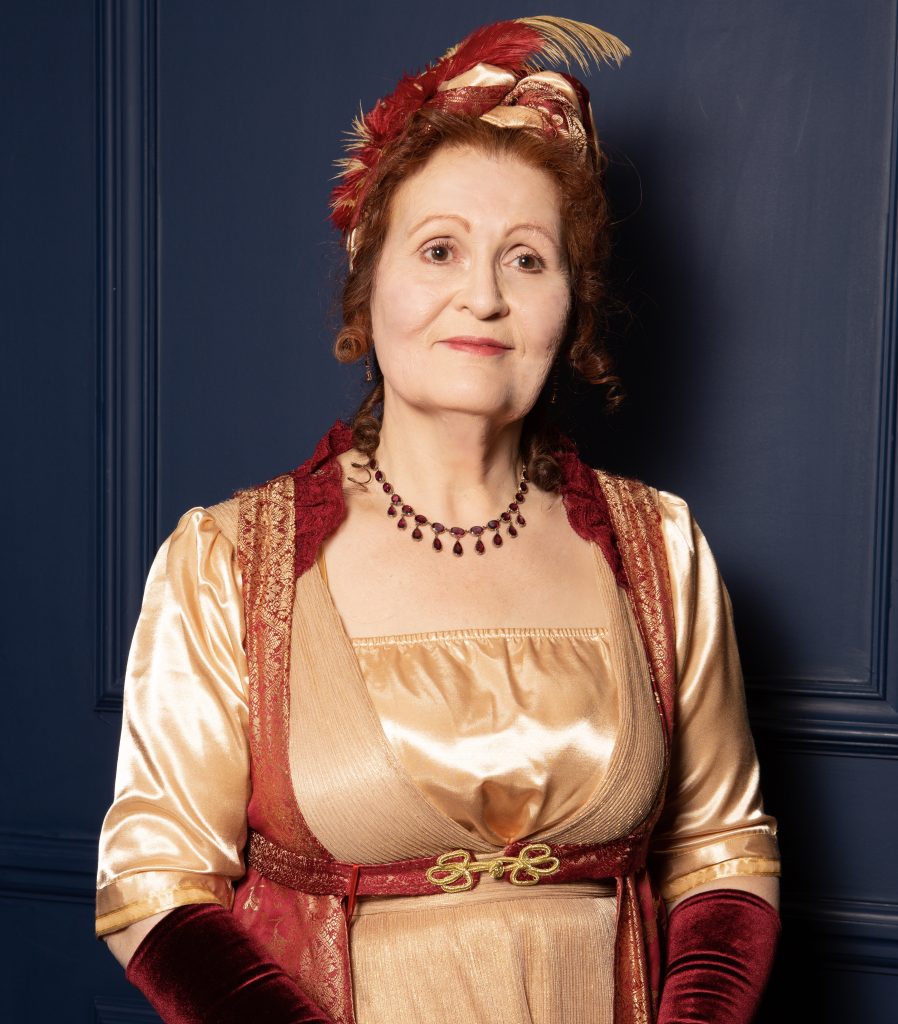
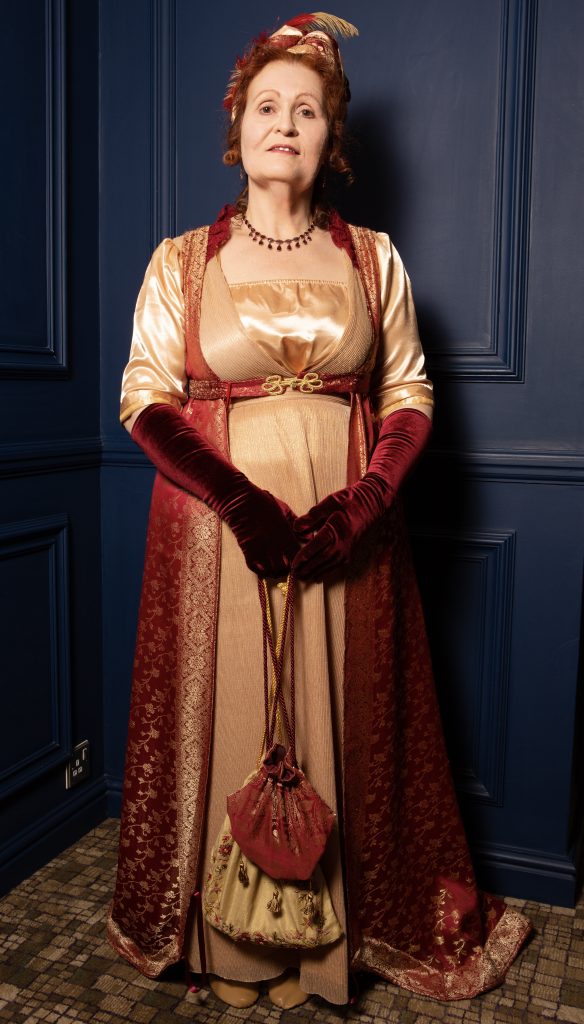
Regency Costumes: Early 19th Century
Worn whilst performing country dances, cotillions, allemandes and reels.
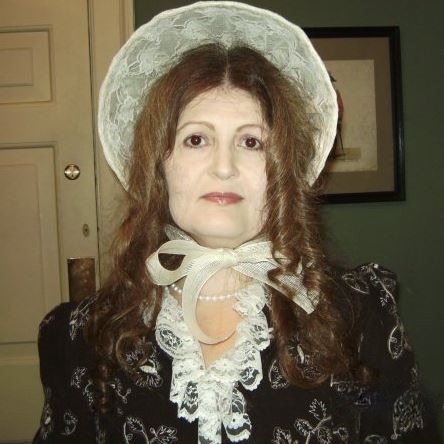
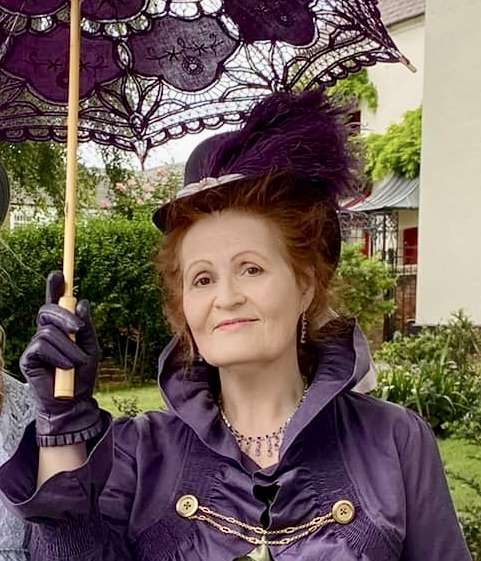
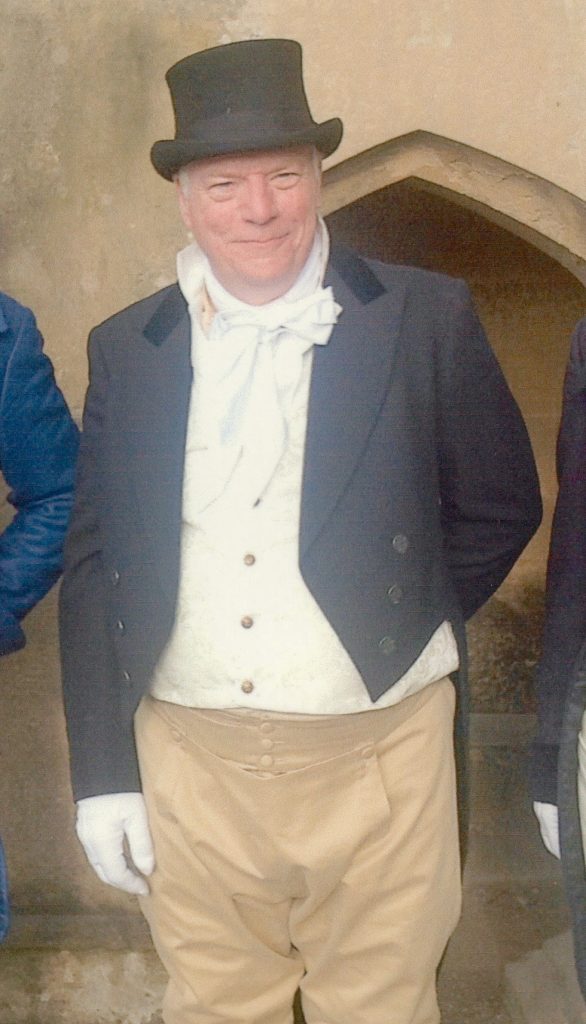
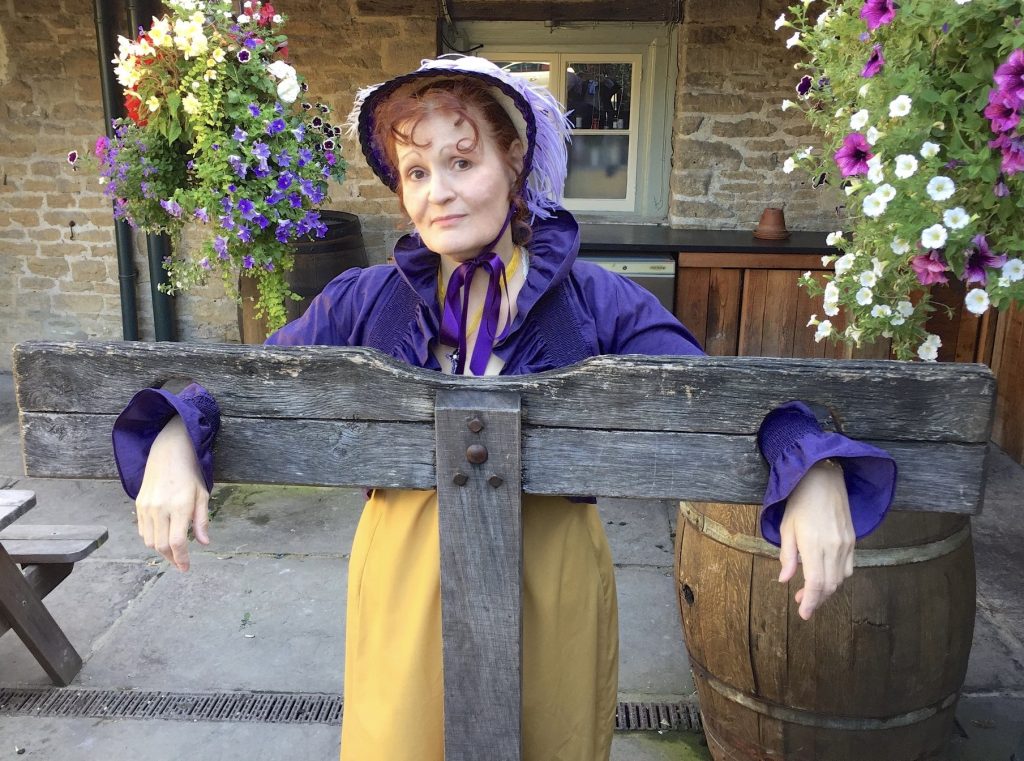
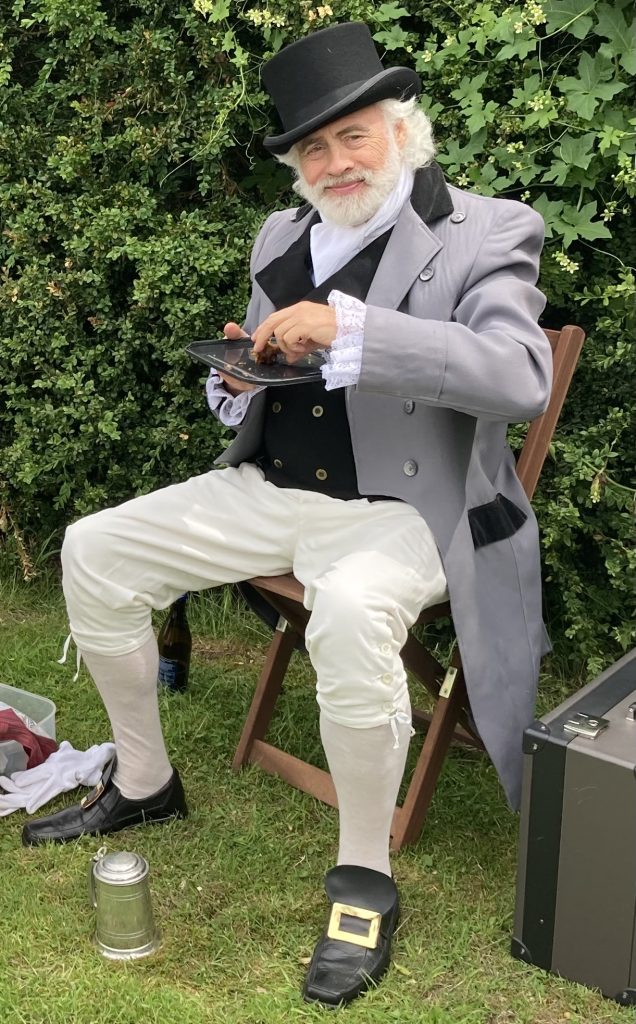
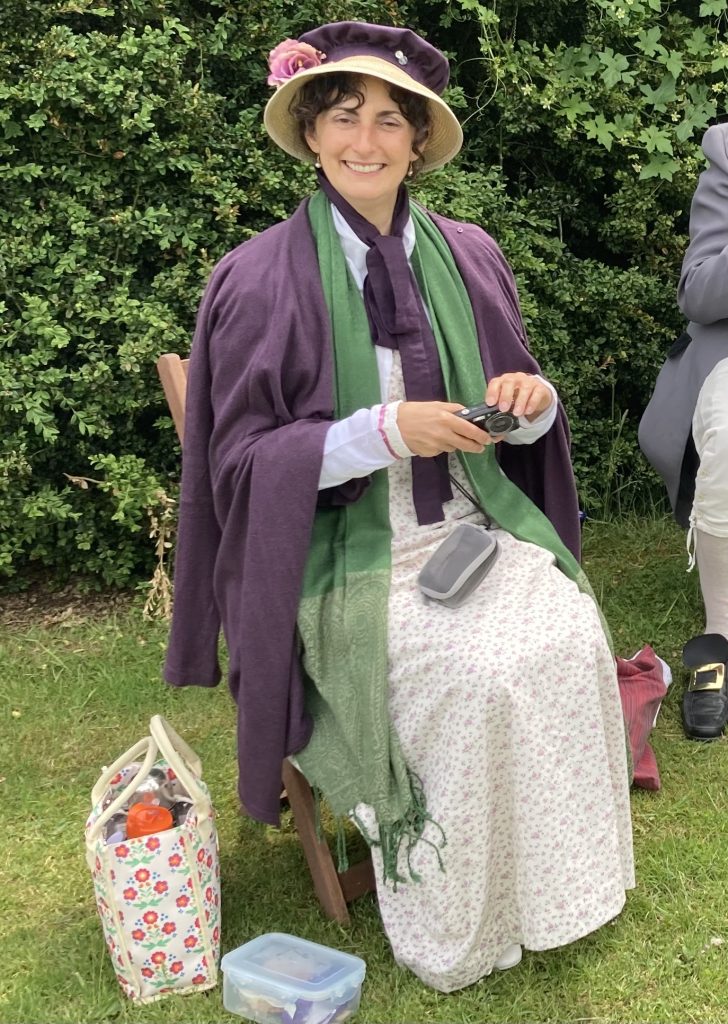
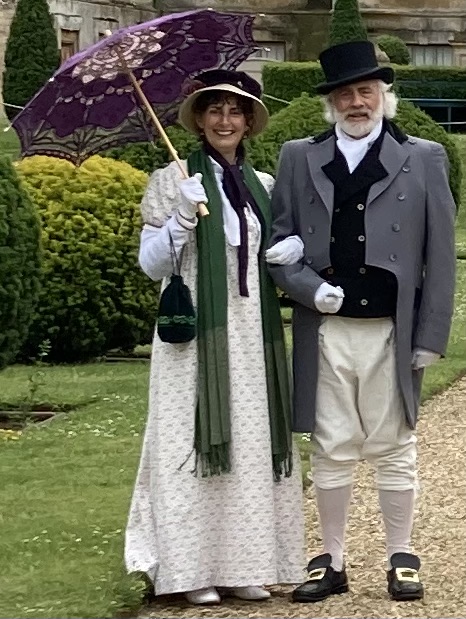
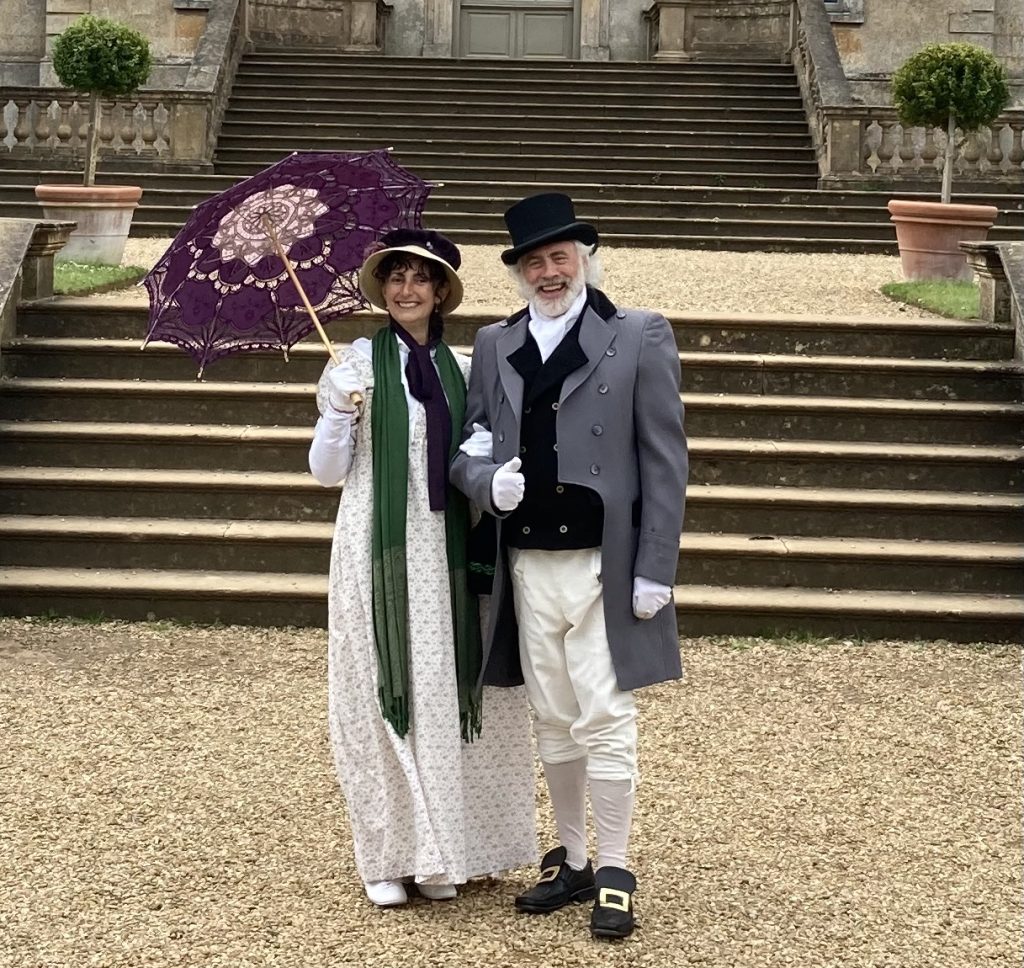
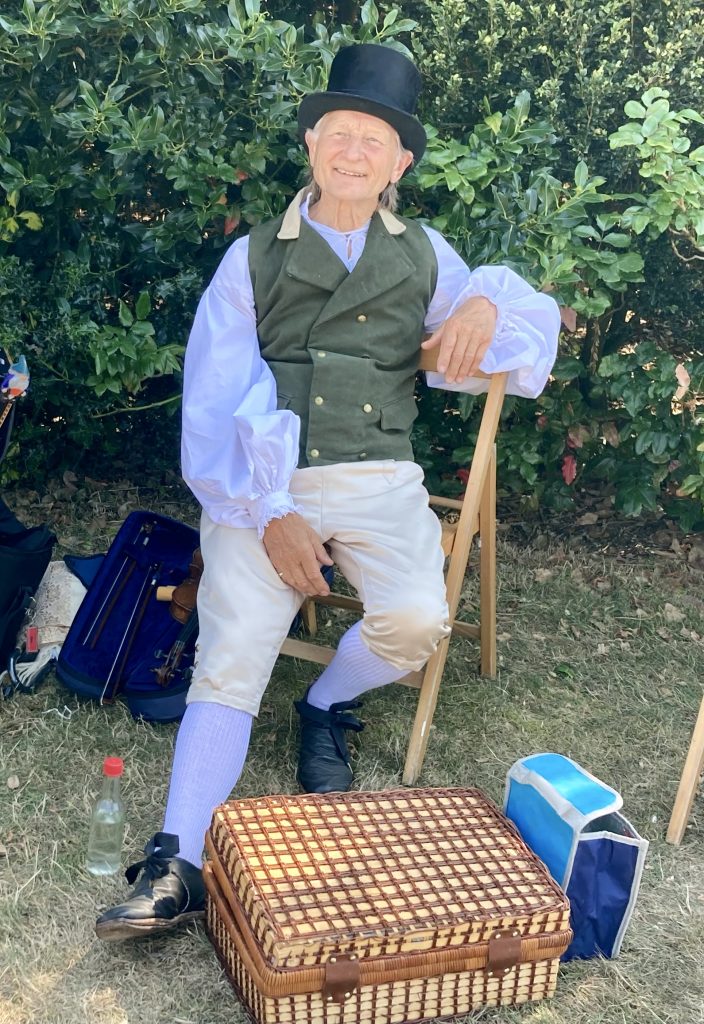
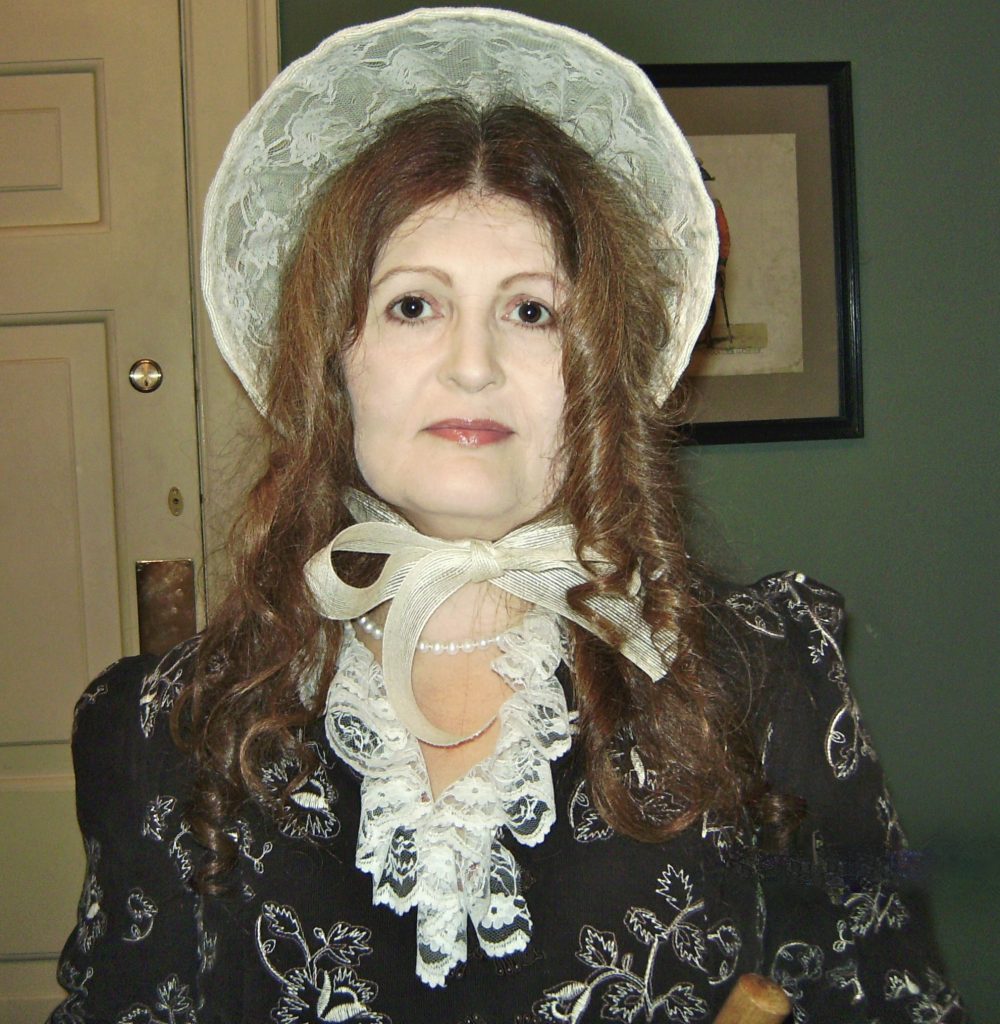
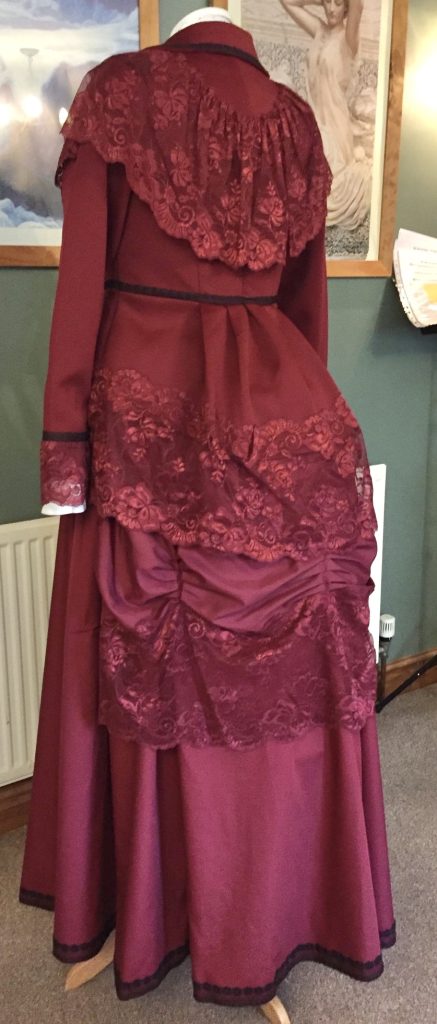
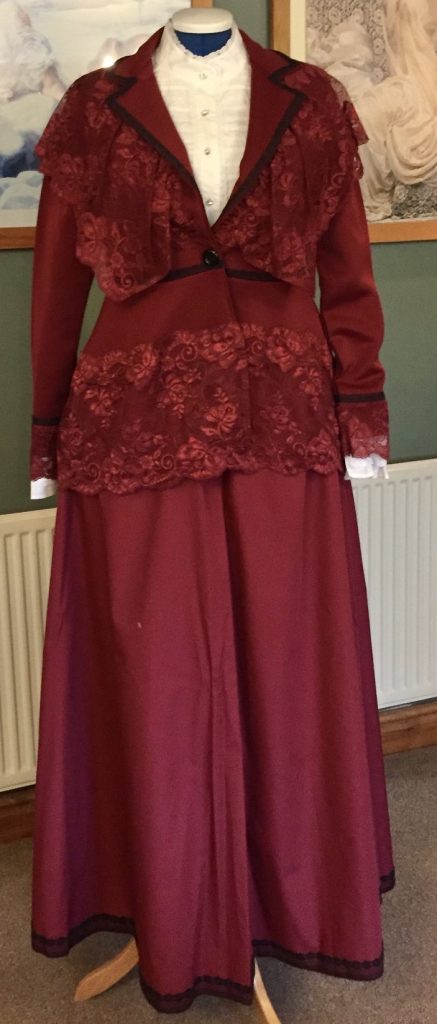
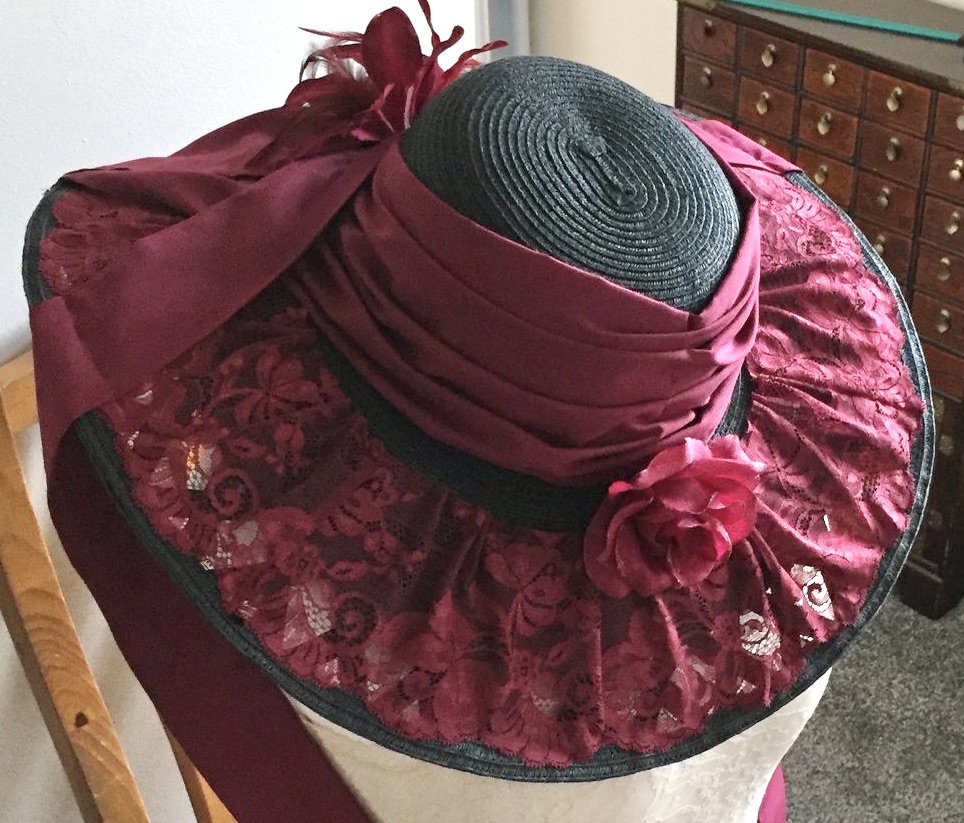
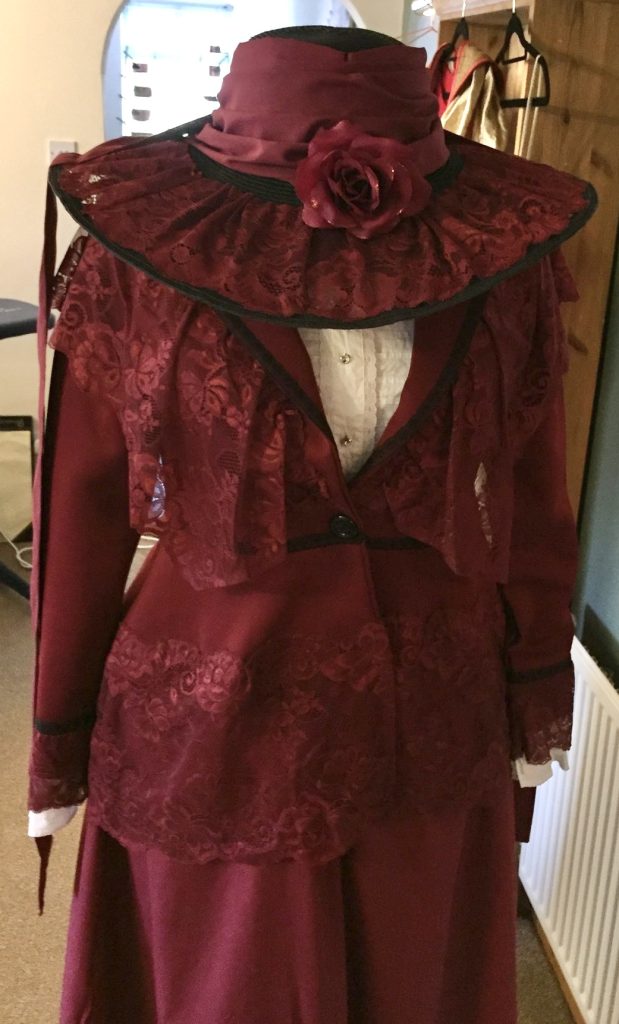
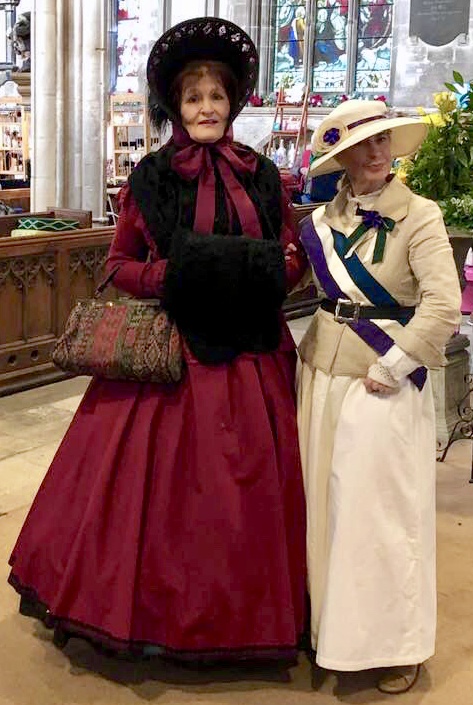
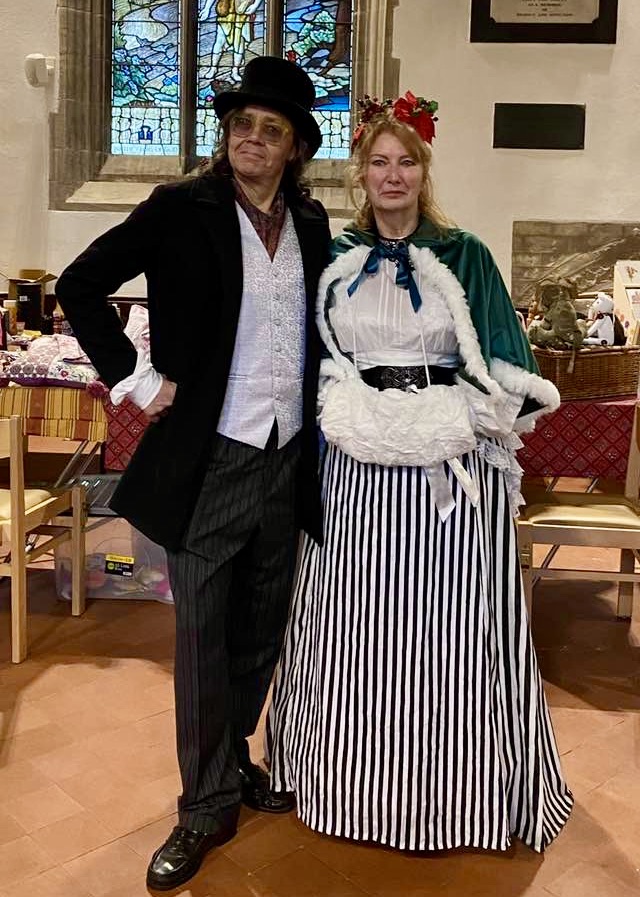
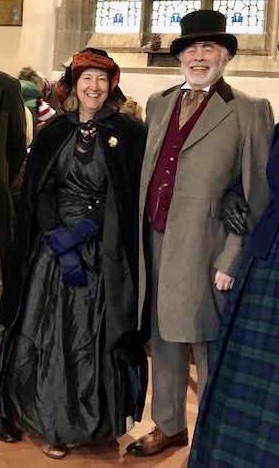
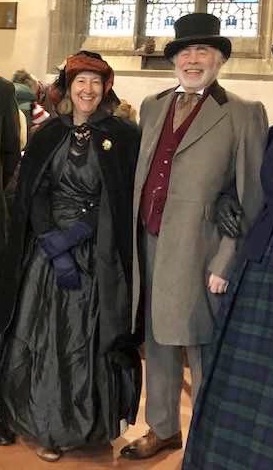
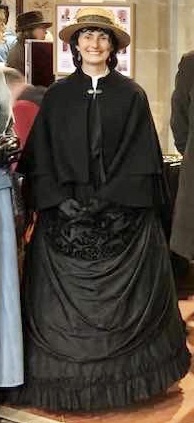
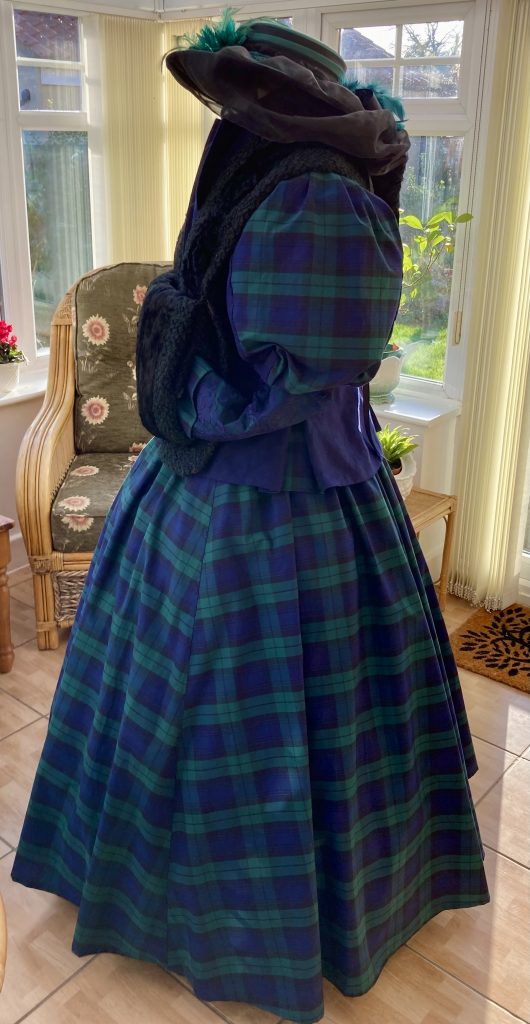
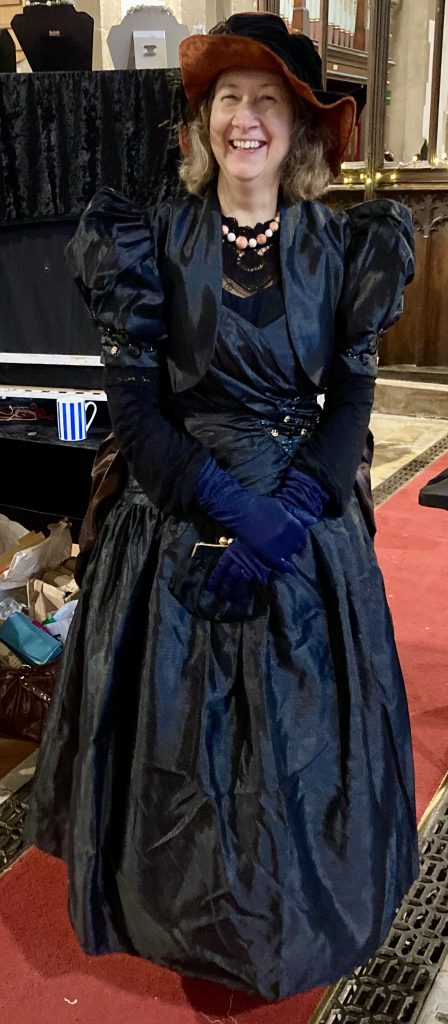
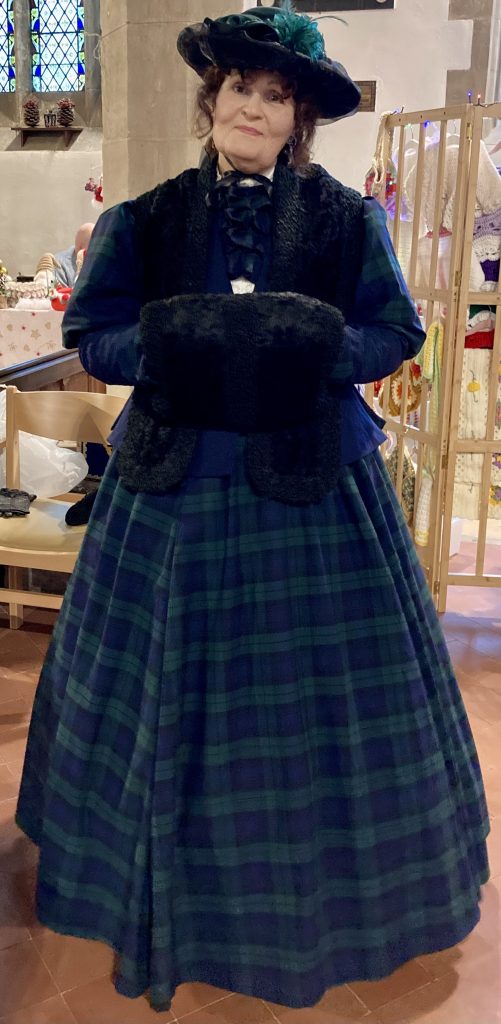
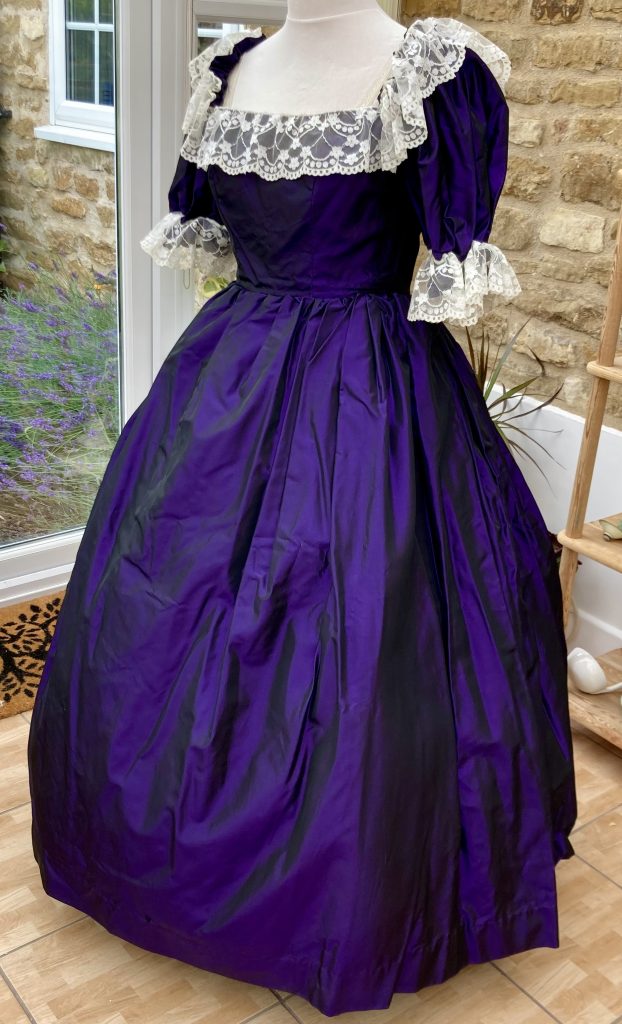
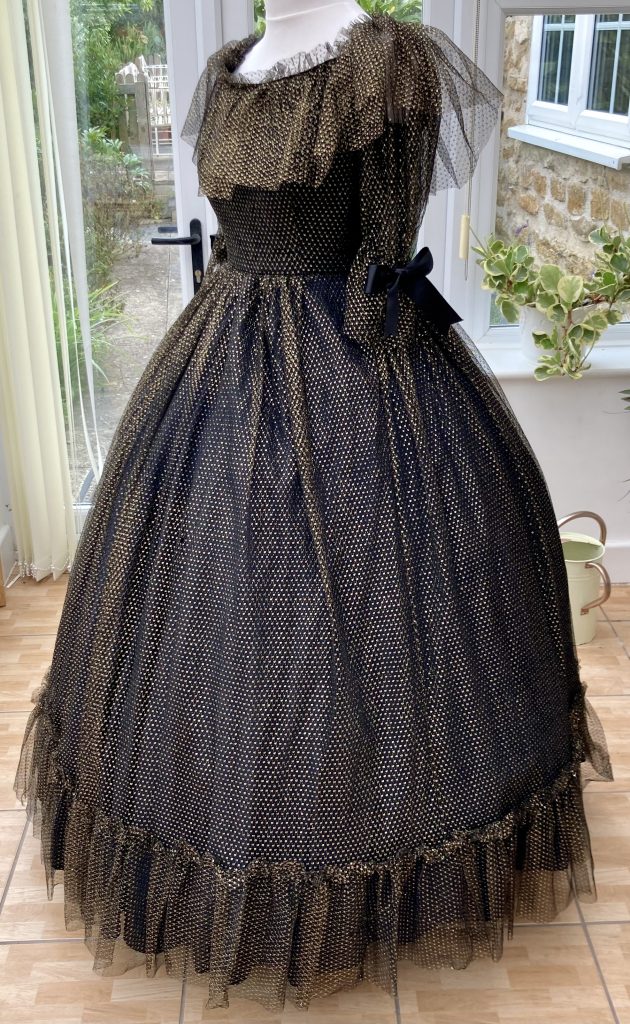
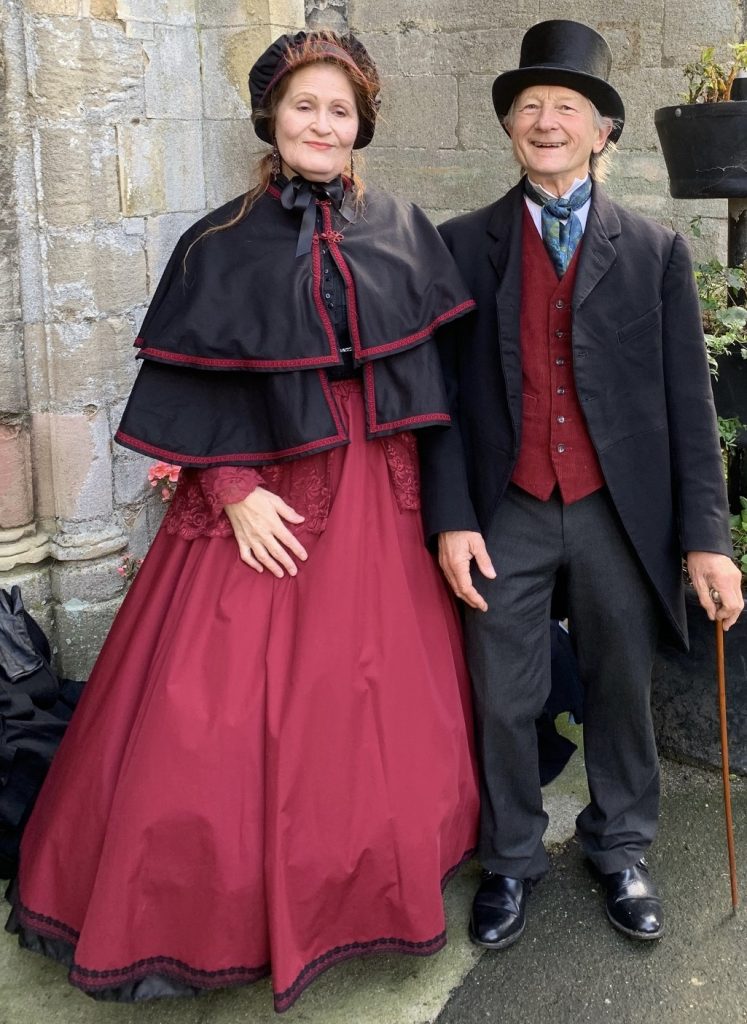
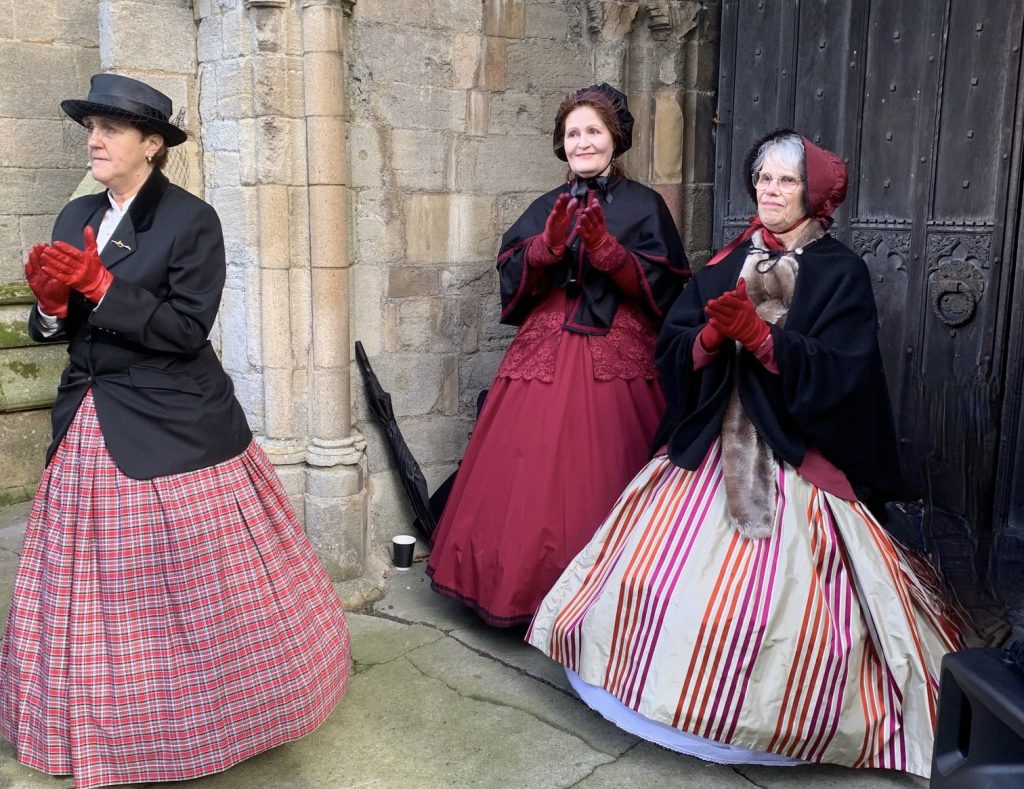
Victorian Costumes: 19th Century
Worn whilst performing Quadrilles, Waltzes, Polkas & Mazurkas.
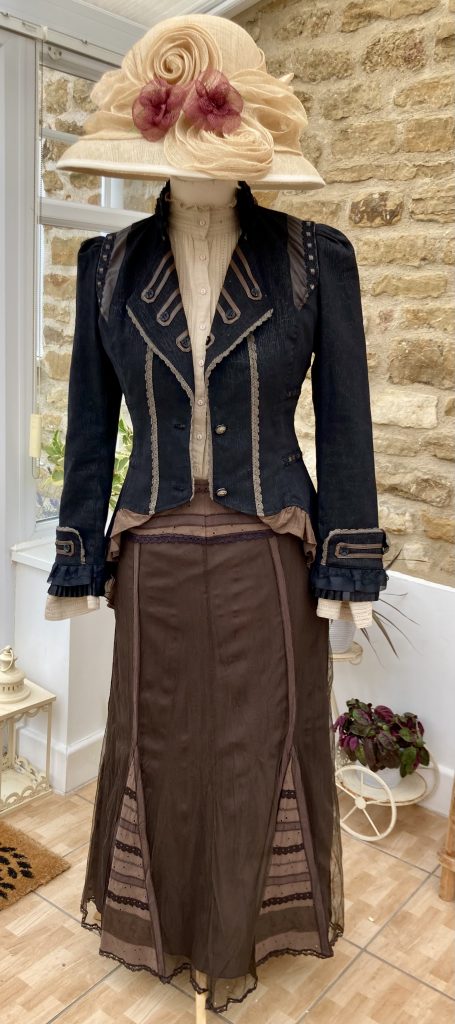
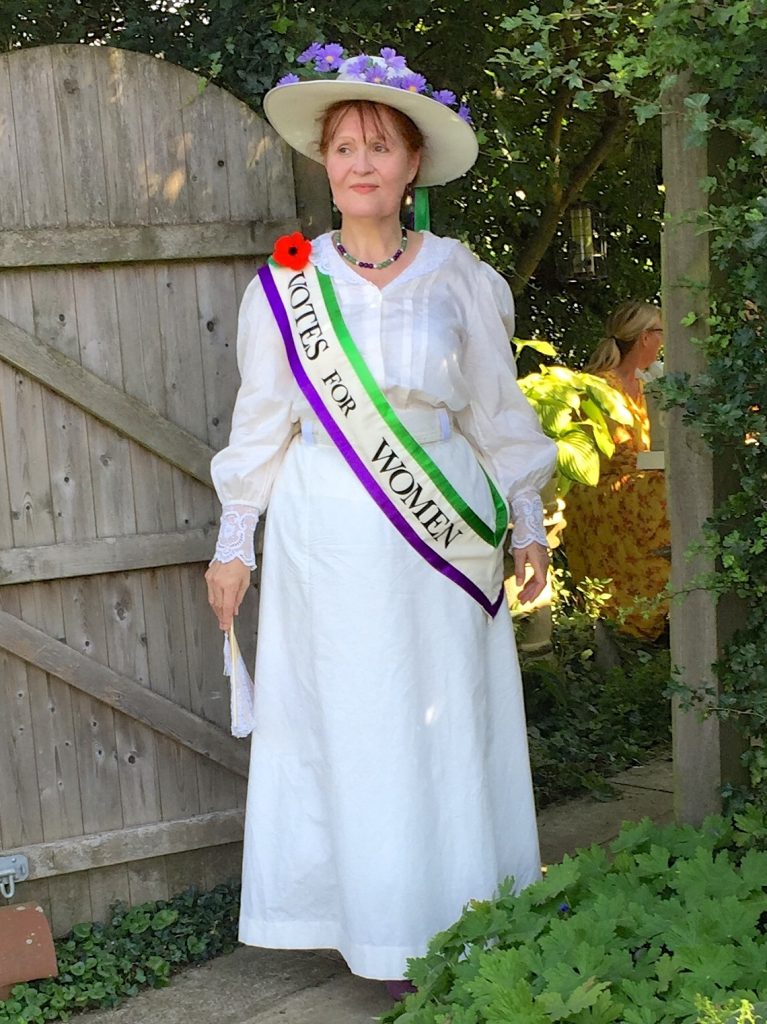
Edwardian Costumes: Early 20th Century
Worn whilst performing Reels, Tangos, the two step, the cakewalk & Ragtime.